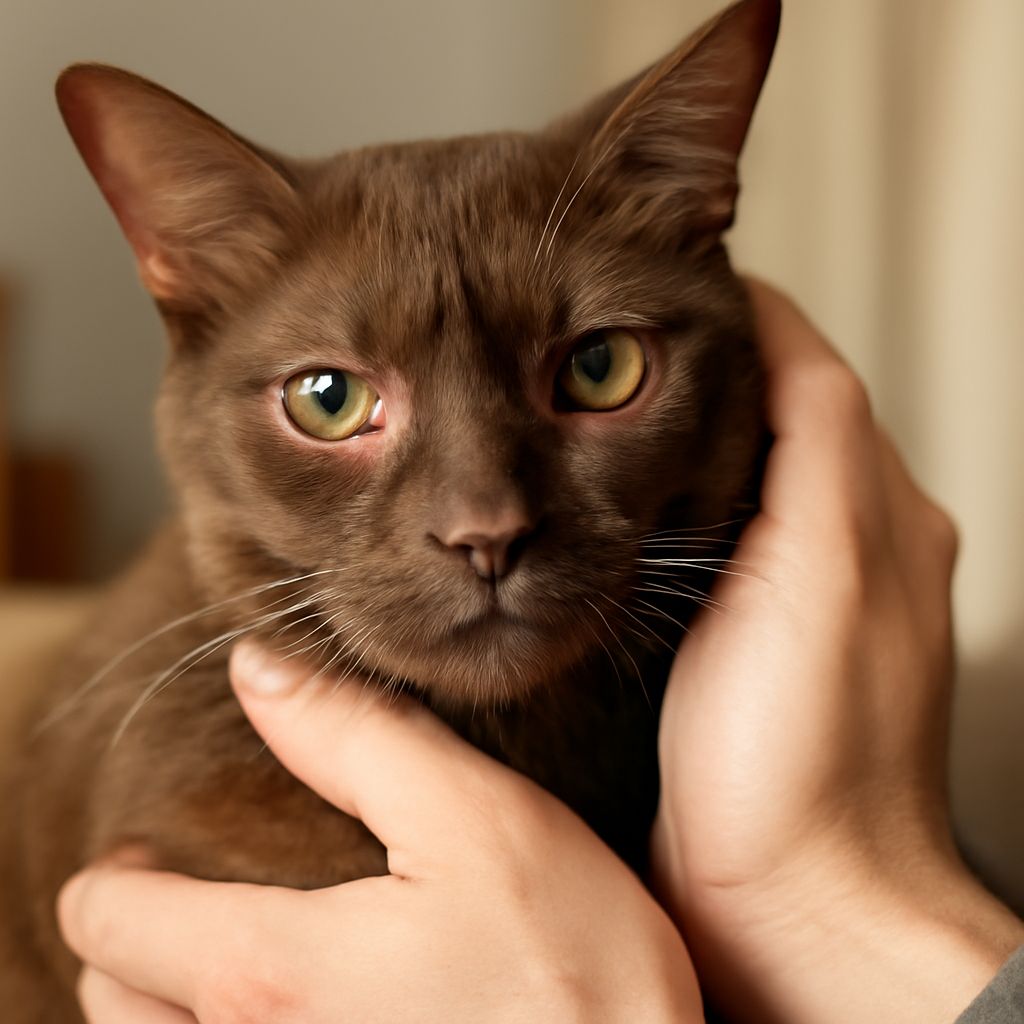
Pink Eye in Cats: Causes, Symptoms, and How to Treat It
You notice your cat’s eye looks red, watery, or has discharge crusting at the corner. Pink eye in cats is one of the most common eye conditions owners deal with, and it’s worth understanding both what’s causing it and what can actually help. A cat with pink eye isn’t always contagious to humans, but the cause matters for treatment, and how to treat pink eye in cats varies depending on whether the origin is viral, bacterial, or environmental.
If you’ve noticed pink eye cats symptoms and want to know about pink eye from cats — whether you or other pets can catch it — this guide covers the key information.
What Causes Pink Eye in Cats
Herpesvirus (FHV-1)
Feline herpesvirus is the most common cause of conjunctivitis in cats. Most cats are exposed to FHV-1 as kittens and carry it for life. Flare-ups happen during stress, illness, or immune suppression. A cat with pink eye from herpes typically shows discharge from one or both eyes, nasal symptoms, and sometimes sneezing. Herpes conjunctivitis is not transmissible to humans or dogs.
Chlamydophila felis
This bacterial pathogen causes conjunctivitis that often starts in one eye before spreading to both. Discharge tends to be thicker and more mucoid than viral pink eye in cats. Chlamydophila responds well to antibiotic treatment, particularly doxycycline.
Mycoplasma
Mycoplasma species cause a milder form of feline conjunctivitis, often alongside other respiratory pathogens. Pink eye cats with mycoplasma often have less severe symptoms than herpes cases but still benefit from antibiotic treatment.
Environmental Irritants
Dust, smoke, cleaning products, or allergens can cause red, watery eyes without any infection. This kind of pink eye from cats’s perspective clears up when the irritant is removed. No medication is needed — just eliminating the source.
How to Treat Pink Eye in Cats
Veterinary Diagnosis First
The treatment for how to treat pink eye in cats depends entirely on the cause. Viral conjunctivitis often gets topical antiviral medications (like cidofovir or idoxuridine) and L-lysine supplementation. Bacterial causes use topical or oral antibiotics. Environmental causes need the irritant removed. Applying the wrong treatment doesn’t help and can delay resolution.
Home Care Between Vet Visits
Gently clean discharge from around the eye using a cotton ball dampened with saline or clean water. Use a fresh cotton ball for each eye to avoid cross-contamination. Do not use human eye drops — the pH and ingredients are not formulated for cats. Warm compresses help loosen crusted discharge.
Is Pink Eye from Cats Contagious to Humans?
Feline herpesvirus and chlamydophila are species-specific and do not infect humans. Pink eye from cats is not transmissible to people in the typical sense. However, practicing good handwashing after handling a sick cat is always sensible hygiene, and cats with upper respiratory infections should be kept away from other cats until recovered.
Pro Tips Recap
Always get a diagnosis before treating pink eye in cats — the cause determines the treatment. Keep discharge cleaned gently each day. If both eyes are involved or symptoms worsen after 48 hours, see the vet rather than waiting. For cats with recurrent herpes flare-ups, ask your vet about long-term L-lysine supplementation and stress management strategies to reduce frequency.