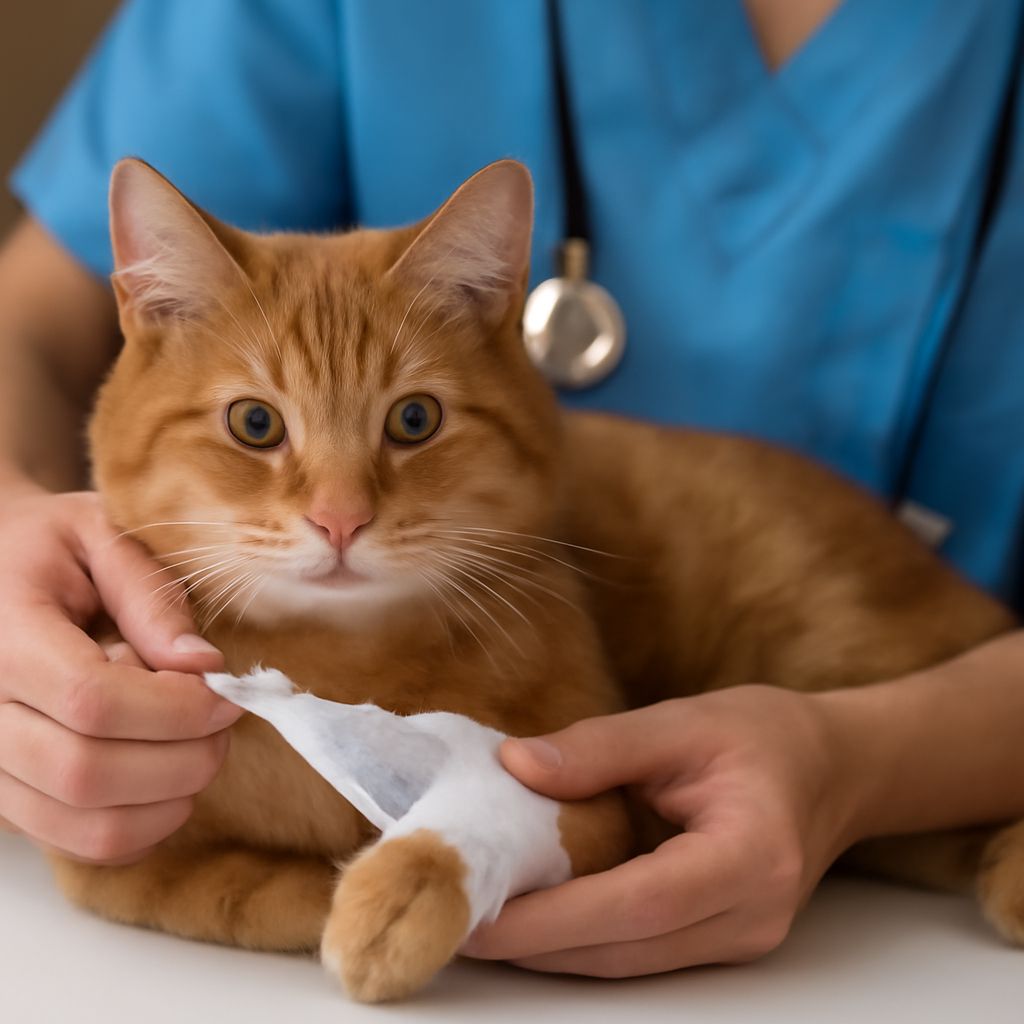
Cat Limping Back Leg: Causes, When to Worry, and What to Do
Your cat is holding up one back leg or walking with a noticeable hitch, and you’re trying to figure out what happened. A cat limping back leg can look alarming, but the range of causes is wide — from a minor sprain that clears up in a day to a serious injury needing immediate care. Cat suddenly limping back leg without obvious cause often leads owners to wonder if something happened while they weren’t watching.
Whether you’re dealing with a limping cat after a jump gone wrong, a cat leg injury from outdoor activity, or a cat limping back leg after fall from height, this guide helps you assess the situation and decide what to do next.
Common Causes of Back Leg Limping
Soft Tissue Injuries
Sprains, muscle strains, and minor bruising are the most common reasons for a cat suddenly limping back leg. A cat that misses a landing, catches a leg on something, or plays too hard can develop a soft tissue injury. These typically improve with rest within 24 to 48 hours. A limping cat that’s eating, drinking, and otherwise behaving normally after a minor fall is likely dealing with a sprain.
Fractures and Dislocations
A cat leg injury from a high fall, car strike, or being stepped on can cause a fracture or dislocation. A cat limping back leg after fall from a significant height — anything over two stories — warrants X-rays even if the cat seems functional. Some fractures are incomplete (greenstick) and the cat may still bear some weight.
Arthritis
Arthritis is more common in cats than most owners realize, particularly in older cats. A limping cat with no injury history, especially one that’s stiff in the mornings or after resting, may have degenerative joint disease. Arthritis-related limping typically worsens in cold weather and improves with gentle movement.
Nerve Damage or Aortic Thromboembolism
A cat that suddenly loses use of one or both back legs entirely — drags the legs, cannot bear weight at all, has cold back paws — may have suffered an aortic thromboembolism (saddle thrombus). This is a life-threatening emergency requiring immediate veterinary care. Unlike a typical cat leg injury, the legs are cold and the cat is in significant distress.
Assessing the Limping at Home
Watch the cat walk across a flat surface. Is it bearing any weight? Is the limb dragging or held up completely? Check the paw pads and between the toes for cuts, splinters, or embedded objects — a foreign body in the paw is a surprisingly common cause of sudden limping in cats. Feel gently along the leg for swelling or heat, but don’t force movement. If the cat cries or snaps when you touch a specific area, that location is painful.
When to Go to the Vet
A cat limping back leg that shows any of these signs needs same-day or emergency care: complete non-weight-bearing, cold or pale back paws, visible deformity, swelling that appeared rapidly, open wound at the leg or paw, or the limping hasn’t improved after 24 to 48 hours of rest.
Key Takeaways
Most limping cats with recent minor falls can be monitored at home for 24 to 48 hours, but sudden limping with no weight-bearing, especially with cold paws, is always an emergency. Cat leg injuries from heights or trauma need X-rays to rule out fractures. Older cats with gradual-onset limping benefit from arthritis evaluation and pain management options from your vet.