
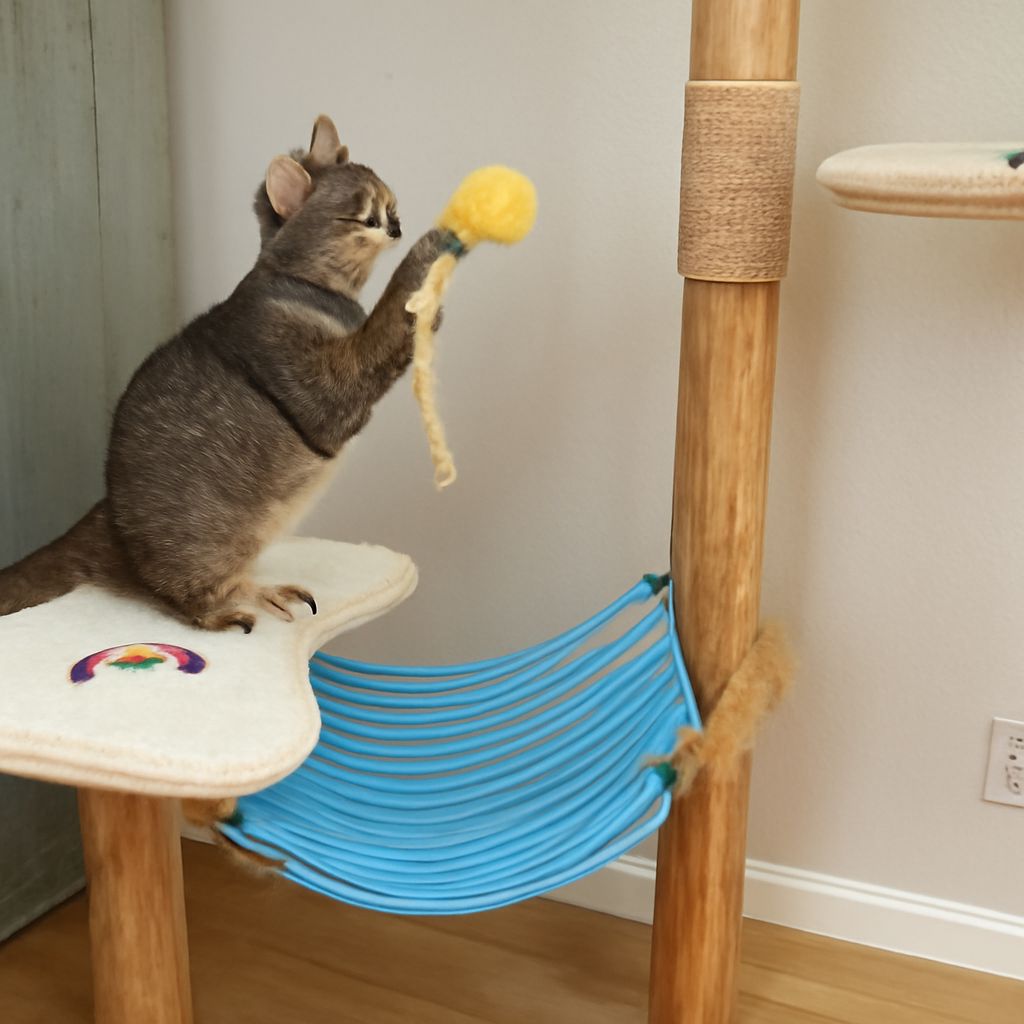
Wood Cat Tree Guide: Choosing a Wooden Cat Tower, Playhouse, or Multi-Level Cat Play House
Your cat has destroyed every carpeted cat tree you’ve bought — shredded the posts, collapsed the platforms, and generally treated each one as disposable. You’ve decided to invest in something that will actually last: a solid wood cat tree. But the market for wooden cat furniture is broader than you’d expect, ranging from sleek Scandinavian-style structures to elaborate cat playhouse setups that double as room centerpieces. Where do you start?
Whether you’re comparing a sturdy wooden cat tree against a wood cat tower with multiple platforms, or trying to decide if a cat play house design is better than an open-platform structure for your specific cat’s personality, this guide covers the key differences and how to choose well.
Why Wood Cat Trees Outperform Carpeted Alternatives
Durability and Longevity
A quality wood cat tree — built from solid birch, pine, or MDF with a hardwood veneer — will outlast a carpeted equivalent by years. Carpet traps dander, absorbs odors, and cannot be cleaned effectively once saturated. Bare wood or plywood platforms can be wiped down, and if a surface gets badly scratched, it can be sanded and refinished rather than replaced.
The structural integrity of a wooden cat tree is also superior for heavier cats or multi-cat households. Platforms on solid wood frames don’t flex or bow the way hollow-post carpeted towers do. If you have a large breed cat — a Maine Coon, Norwegian Forest Cat, or Ragdoll — a wood cat tower rated for higher weight loads is the right choice from the start.
Aesthetics and Interior Design Fit
One of the strongest arguments for a wooden cat tree is that it can actually look good in your home. Natural wood finishes, white or black lacquer, and minimalist shapes blend into modern and Scandinavian interiors in a way that beige carpet columns never will. Several furniture brands now produce cat trees designed to look like shelving or modular furniture — functional for your cat, invisible as an eyesore to guests.
Cat Playhouse Designs: Enclosed Spaces and Multi-Level Structures
What Makes a Good Cat Playhouse
A cat playhouse differs from a standard tower in that it has enclosed spaces — cubbies, tunnels, or boxes — rather than just open platforms. Cats are den animals by instinct; they feel secure in tight, enclosed spaces where they can watch without being watched. A wooden cat playhouse with one or two enclosed compartments and multiple open perches gives cats both security and a high vantage point, which covers most of what they naturally want.
Look for cat play houses with entry holes sized at least 6 inches in diameter for the average domestic cat. Larger cats need 7 to 8 inches. Interior dimensions of at least 12x12x14 inches give a medium-sized cat room to turn around and lie down comfortably inside the box.
Multi-Level Configurations
Cats prefer vertical space. A multi-level wood cat tower with platforms at different heights — ideally reaching at least 5 to 6 feet — gives your cat more territory to claim and more climbing exercise. Configurations with staggered platforms rather than straight vertical stacking allow for more dynamic climbing routes and are more interesting to cats over the long term.
Sisal, Rope, and Scratch Surfaces on Wood Frames
Even on a wooden cat tree, cats need scratching surfaces. Sisal rope wrapped around wood posts is the standard solution — and it works well. Some designs incorporate replaceable sisal panels that can be swapped out when worn. Sisal is preferable to sisal fabric; the woven fabric version pills quickly and doesn’t satisfy the same scratching drive as tightly wound rope.
Buying and Placement Tips for Wooden Cat Furniture
Where to Buy Quality Wood Cat Trees
The best sources for solid wood cat trees are independent furniture makers on Etsy, specialty pet furniture brands like On2Pets, PetFusion, and Catastrophic Creations, and occasionally IKEA hacks where buyers use Kallax shelving and add cat-specific modifications. Mass-market pet stores rarely stock true solid-wood options; most use MDF with veneer.
Placement for Maximum Use
Put your wood cat tower near a window your cat already frequents. Cats use elevated perches primarily for watching, and a view — even just a bird feeder in the yard — significantly increases how often they use the structure. Avoid placing it in a low-traffic corner; cats want to be where the household activity is, even if they appear indifferent.
Next steps: Measure your ceiling height and available floor space before buying — a wood cat tower that’s too tall for your room or too wide for a corner is a frustrating mistake. If your cat hasn’t used cat trees before, try placing a sprinkle of catnip on the platforms for the first few days to build positive association. For cat play houses specifically, drape a thin blanket over the opening at first to create a more den-like entry until your cat is comfortable going in.