Japanese Cat Cafe Culture: A Complete Guide to Visiting and Souvenirs
Picture this: you’ve just landed in Tokyo, jet-lagged but buzzing with excitement, and your travel app pings with a notification about a cat cafe two blocks from your hotel. You know about the phenomenon from social media, but you have no idea what to expect — do you just walk in, or do you need to book? And while you’re there, should you pick up a japanese cat plush as a memento? This guide answers all of it.
Whether you’re hunting for the perfect japanese cat cafe experience, looking to bring home a japanese cat hats or a lucky cat figure, or just curious about the japanese cat god Maneki-neko and how it connects to modern cat cafes across the country, read on. If you can’t make it to Japan, cat cafe usa locations have grown fast — but the original still has something special.
What Is a Japanese Cat Cafe and How Do You Visit One?
The Origins of Cat Cafes in Japan
The cat cafe concept started in Taiwan in 1998, but Japan took it to another level entirely. By 2005, Osaka had its first dedicated cat cafe, and Tokyo followed quickly. Today there are hundreds across the country, each with its own theme, rules, and resident cat population. Some focus on purebreds like Scottish Folds or Ragdolls; others house rescues looking for adoption.
How Booking and Entry Work
Most cat cafes in Japan charge by the hour — typically 1,000 to 1,500 yen — with a drink included. Reservations are strongly recommended, especially for weekend visits or popular spots like Nekobukuro in Tokyo. You’ll be asked to sanitize your hands before entering and to follow specific rules: no picking up cats, no flash photography, no waking sleeping cats. The cats roam freely; interaction is always on their terms.
What to Expect Inside
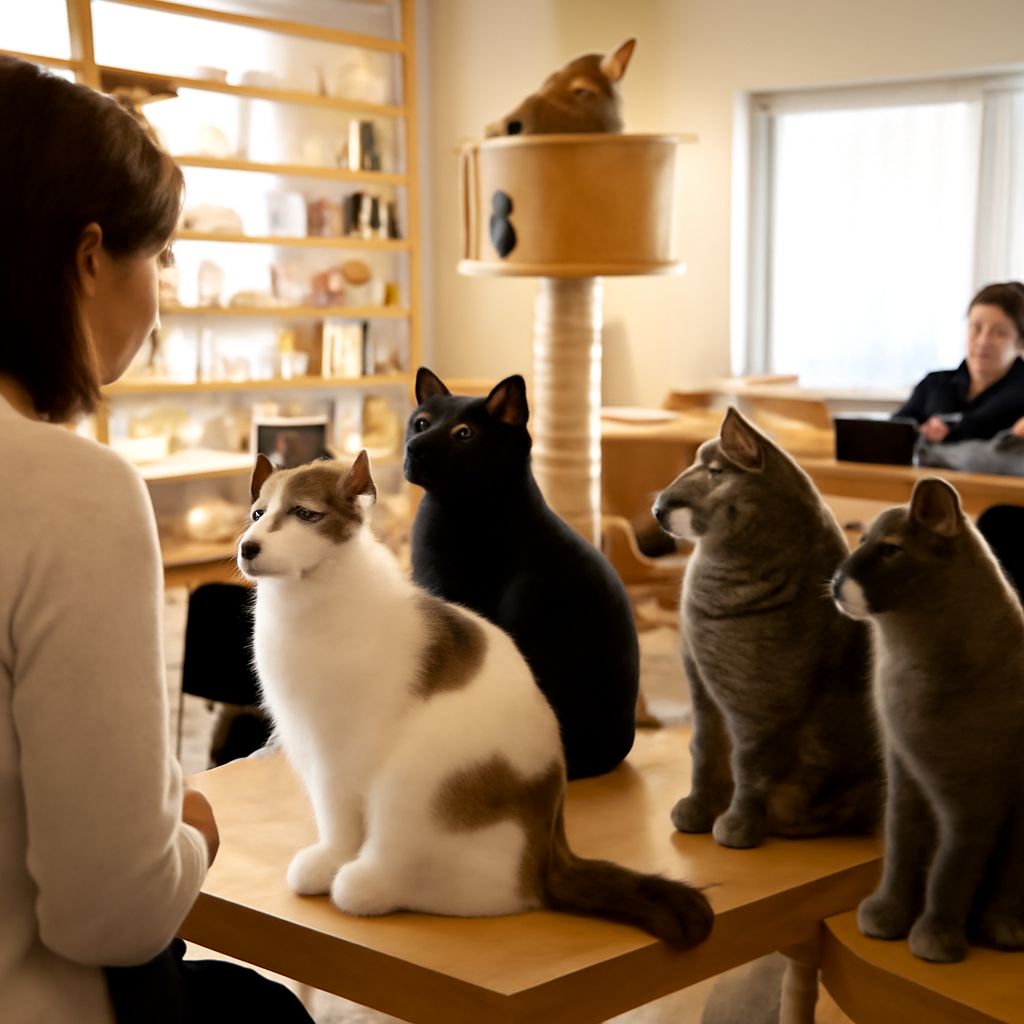
The cafes are calm, softly lit, and genuinely relaxing. Cats lounge on wall-mounted shelves, crawl through custom tunnels, and occasionally demand your attention mid-sip. Staff keep the environment clean and monitor both guests and animals. Some cafes sell branded merchandise at the exit — plush toys, postcards, and cat-themed accessories that make excellent souvenirs.
Cat Cafes Beyond Tokyo
Kyoto, Osaka, Sapporo, and Fukuoka all have well-reviewed cat cafes. Each city has its own style. Kyoto cafes tend to be quieter and more traditional in feel; Osaka spots lean more playful. Spending an hour at one in each city gives you a solid comparison.
Japanese Cat Culture: From the Maneki-Neko to Modern Merchandise
The Japanese Cat God and Lucky Cat Tradition
The Maneki-neko — often called the japanese cat god in Western pop culture — is technically a cat deity figure, not a god in the religious sense. The beckoning cat originates from Edo-period Tokyo, likely from the Gotokuji Temple story where a cat raised its paw and saved a feudal lord from a lightning strike. The left paw raised attracts customers; the right paw raised brings good fortune. You’ll see Maneki-neko figurines at virtually every business entrance in Japan.
Picking Up a Japanese Cat Plush
Cat-themed plush toys are everywhere in Japan — from 100-yen shop basics to premium licensed figures at cat cafe shops. A good japanese cat plush typically features realistic proportions or exaggerated cute styling, soft fill, and embroidered features. Popular characters include Nyan-nyan Nyanko, Chi from Chi’s Sweet Home, and various anime cats. Airport shops stock them, but prices are better at Tokyu Hands or Loft stores.
Japanese Cat Hats and Wearable Cat Gear
One of the quirkier souvenir categories is wearable cat gear. Japanese cat hats — those knitted or fabric ears-on-a-headband items — are sold at cat cafes and street market stalls throughout tourist districts. Some feature actual cat ears sculpted from wire and faux fur; others are simpler printed designs. They photograph well and pack flat, making them a practical choice for luggage-constrained travelers.
Bringing Cat Culture Home
Beyond plush and hats, cat-themed tenugui (hand towels), tote bags, and ceramic cups are easy to find in the souvenir districts of Asakusa and Harajuku. These items hold up better than mass-produced trinkets and double as functional additions to your home.
Cat Cafes in the USA: What to Expect Compared to Japan
The cat cafe usa scene has expanded considerably over the past decade. Cities like New York, Los Angeles, Chicago, and Portland each have established spots, and most American cat cafes work as adoption venues in partnership with local shelters. The vibe is slightly different — often louder, with a coffee-shop aesthetic — but the core appeal is the same: spending time with cats in a relaxed setting. Prices run $15 to $25 for a timed session.
The main difference is the adoption focus. Japanese cafes rarely facilitate adoption; American ones almost always do. If you fall in love with a cat during your visit, you can often apply on the spot.
Key takeaways: A japanese cat cafe visit works best with advance booking and an understanding of the house rules — cats set the pace, not guests. For souvenirs, a quality japanese cat plush or a set of japanese cat hats are lightweight and culturally resonant choices. The Maneki-neko tradition behind the japanese cat god figure is worth learning before you go, and if you can’t reach Japan, a cat cafe usa location gives you a taste of the same concept closer to home.