Cat Yarn Bowl and Shallow Cat Bowl: Choosing the Right Feeding and Craft Bowl
You’re at the intersection of two completely different searches: you might be a knitter looking for a cat yarn bowl that keeps your project tangle-free while your cat tries to intercept it, or you’re a cat owner hunting for the right shallow cat bowl to solve whisker fatigue and messy meals. Possibly both. The salaryman cat meme, the career cat aesthetic, the castaway cat vibe — these have all landed in searches alongside practical cat gear, and this guide addresses the functional questions underneath the fun terminology.
Whether you discovered the salaryman cat while scrolling and ended up here wondering about cat bowls, or you’re a knitter tired of your yarn rolling across the floor, or you need a shallow cat bowl that actually works for your flat-faced breed, the information below covers it. Cat yarn bowl designs, shallow food bowl options, and what makes a feeding setup work for different cats — all of it in one place.
Cat Yarn Bowls: What They Are and Why Knitters Need Them
How a Cat Yarn Bowl Works
A cat yarn bowl is a weighted ceramic or wood bowl with a curved slot or hole cut through the side. You place your yarn ball inside the bowl and thread the working end through the slot. As you knit or crochet, the yarn feeds smoothly without the ball rolling off your lap or across the room. The weight of the bowl keeps it in place, and the slot controls tension gently without snagging.
Why the Cat Shape
The cat silhouette on most yarn bowls isn’t just aesthetic — the curled tail forms the yarn guide slot. Many are handmade by ceramic artists and come in a range of sizes for different yarn weights. A smaller bowl works for fingering or sport weight; a larger one handles bulky or super bulky yarn balls. If your actual cat is also a yarn bowl enthusiast (read: menace), the irony of the cat-shaped bowl is well-earned.
Shallow Cat Bowls: Why They Matter for Feeding
Whisker Fatigue and Bowl Depth
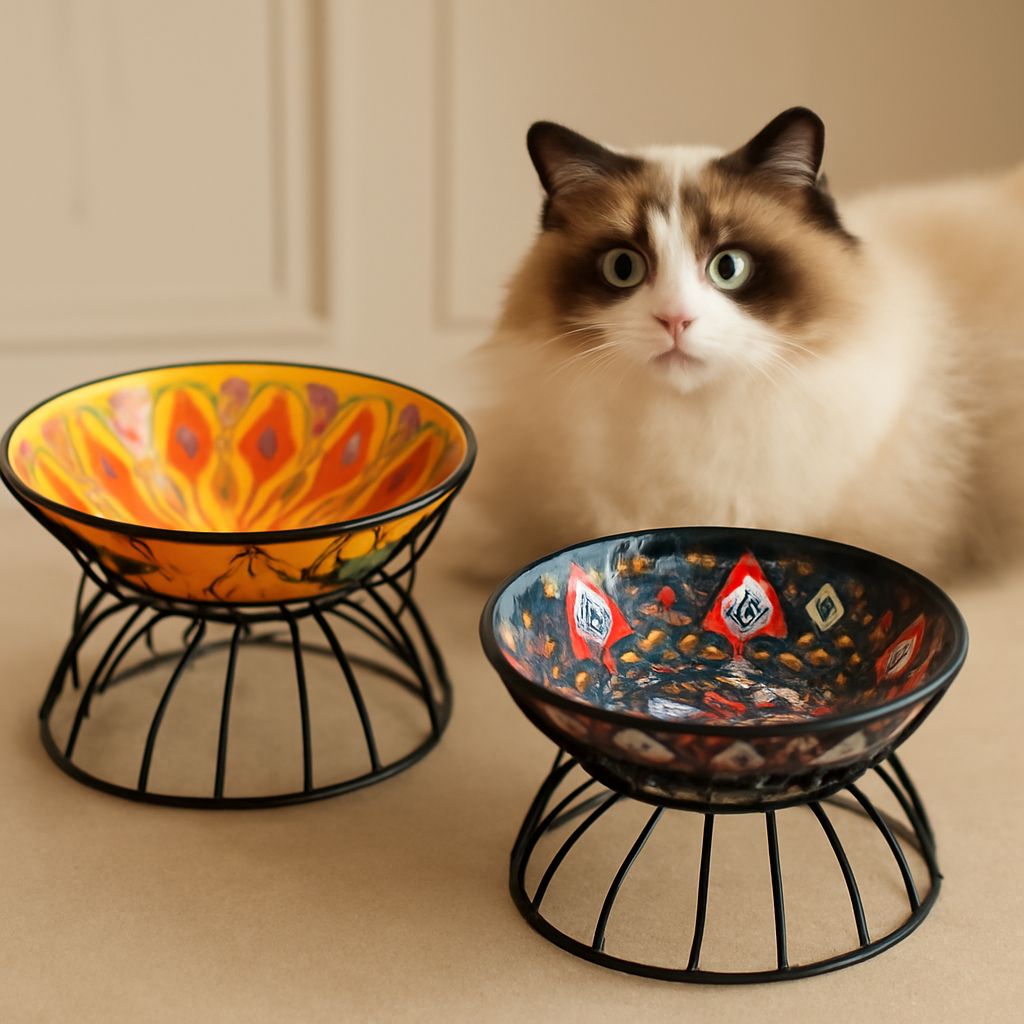
A shallow cat bowl addresses a real issue: whisker fatigue. A cat’s whiskers are highly sensitive proprioceptive organs, and when they repeatedly touch the sides of a deep, narrow bowl while eating, the overstimulation becomes uncomfortable. Cats experiencing whisker fatigue may pull food out of the bowl onto the floor, eat from the edges of the bowl only, or walk away from food before they’ve eaten enough. Wide, flat dishes or shallow saucers solve this immediately.
Best Shallow Bowl Materials
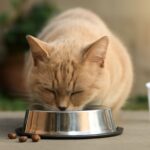
Ceramic and stainless steel are the best choices for shallow cat feeding dishes. Plastic develops scratches that harbor bacteria and can transfer an off-taste to food and water. Ceramic stays heavy enough not to slide around and is dishwasher-safe. Stainless is durable, easy to clean, and doesn’t hold odors. Either material in a wide, shallow format works well for most cats.
Pro Tips Recap
For yarn bowls: choose a size that fits your most-used yarn weight, look for a smooth interior slot without sharp edges, and consider a lidded version if your cat is genuinely determined to access your project. For cat feeding bowls: go wide and shallow over narrow and deep, keep the bowl clean daily, and place it away from the water bowl. Both categories involve more material and design choices than they first appear — the right pick makes the daily experience noticeably better, whether that’s your knitting session or your cat’s mealtime.