
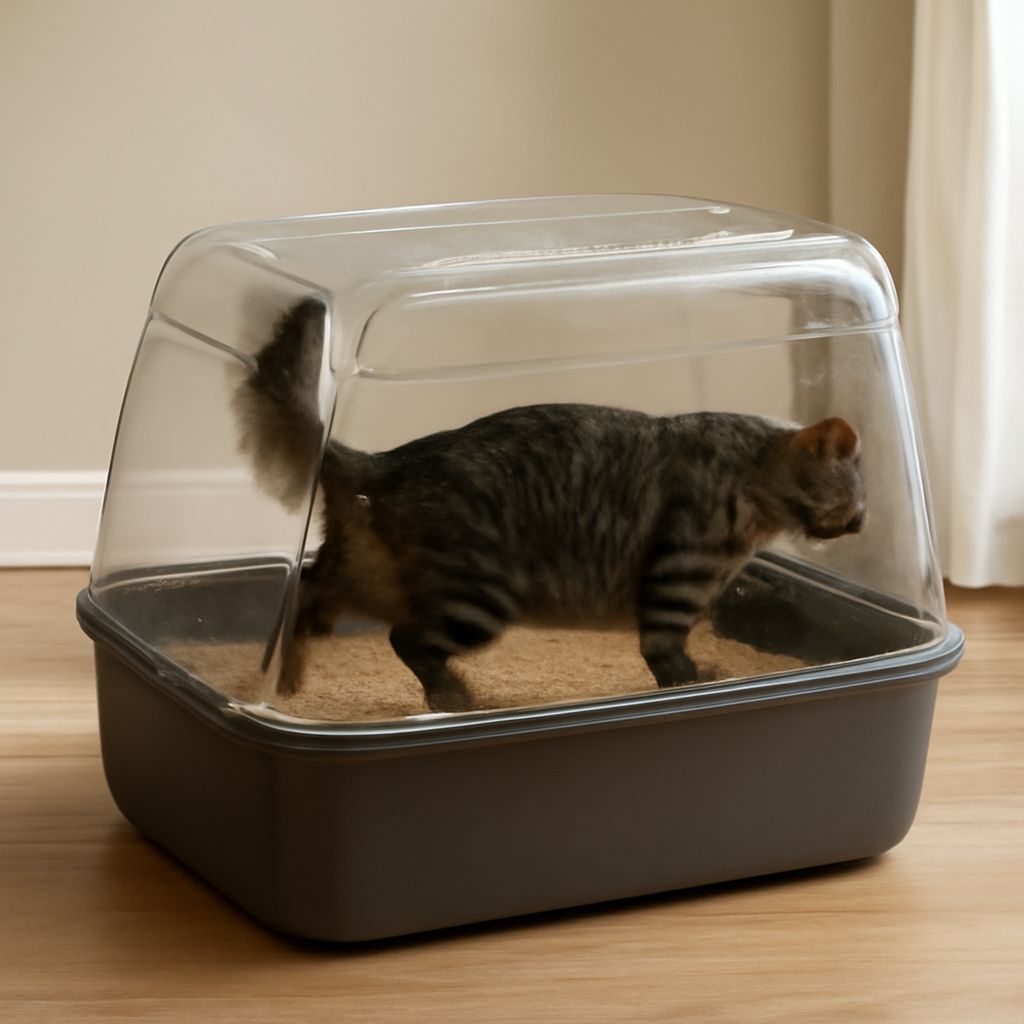
Cat Litter Box with Lid: Covered, Portable, and Outdoor Options Compared
You’re tired of litter scatter across the bathroom floor, or you need a solution that works in a smaller space. Whatever your setup, there’s a cat litter box with lid designed for your situation — and the right choice depends on your cat’s preferences as much as your own. Some cats love the privacy of a covered box; others flat-out refuse to use one. Knowing the options helps you make a smarter first choice rather than buying the wrong thing twice.
Beyond the standard hooded designs, a cat tree with litter box built in offers a space-saving solution for small apartments. A portable cat litter box solves the travel problem. An igloo cat litter box gives cats that enclosed feel with a distinctive dome shape many cats take to immediately. And if you have outdoor cats, an outdoor cat litter box enclosure keeps things contained without bringing weather inside. Here’s how each type works and who it’s best suited for.
Covered and Hooded Litter Box Designs
Standard Top-Entry and Hooded Boxes
The classic cat litter box with a lid either uses a swinging door at the front or a hole at the top that the cat jumps into. Top-entry designs significantly reduce litter scatter — cats exit by jumping up and out, leaving most of the litter behind before they hit the floor. They also offer more privacy and odor containment than open boxes. The trade-off: larger or arthritic cats may struggle with the jump, so top-entry designs suit agile, younger cats best.
Igloo Cat Litter Box
An igloo cat litter box uses a round, dome-shaped enclosure with a small front opening. The design creates a cave-like space that many cats find immediately comfortable. The curved shape also makes odor containment more effective than flat-lidded versions. Cleaning is straightforward — the dome usually lifts off completely, giving you full access to the interior. If your cat already gravitates toward enclosed hiding spots, the igloo style is worth trying first.
Space-Saving and Specialty Options
Cat Tree with Litter Box
A cat tree with litter box integrated into the base is the most space-efficient solution for a small apartment. The litter area sits inside the lower cabinet section of the tree, hidden behind a door. The cat accesses the box through a hole at the side or front while the rest of the structure provides climbing and perching space above. These units vary widely in quality — look for solid construction, easy-access cleaning panels, and a litter area large enough for your cat to turn around in comfortably.
Portable Cat Litter Box
A portable cat litter box folds flat or packs compactly for travel. Most use a waterproof fabric or rigid plastic construction that sets up in seconds. They’re not designed as permanent fixtures — the materials are usually thinner than a standard box — but they work well for road trips, vet stays, or multi-day travel. Disposable travel litter trays are another option if you don’t want to clean a portable box while traveling.
Outdoor Cat Litter Box Enclosures
An outdoor cat litter box enclosure is a weather-resistant cabinet placed outside to house one or more litter boxes. They typically include a sloped roof to shed rain, ventilation gaps to reduce odor buildup, and a small entrance that cats push through. These work well for households with outdoor or indoor-outdoor cats who prefer to eliminate outside but need a protected, consistent spot. They’re also used by people who manage community cat colonies as a cleaner alternative to uncovered litter areas.
When choosing any covered litter solution, size matters more than aesthetics. The box interior should be large enough for your cat to stand, turn around, and dig without touching the walls. A box that’s too small gets avoided, regardless of how well it solves the scatter problem for you.