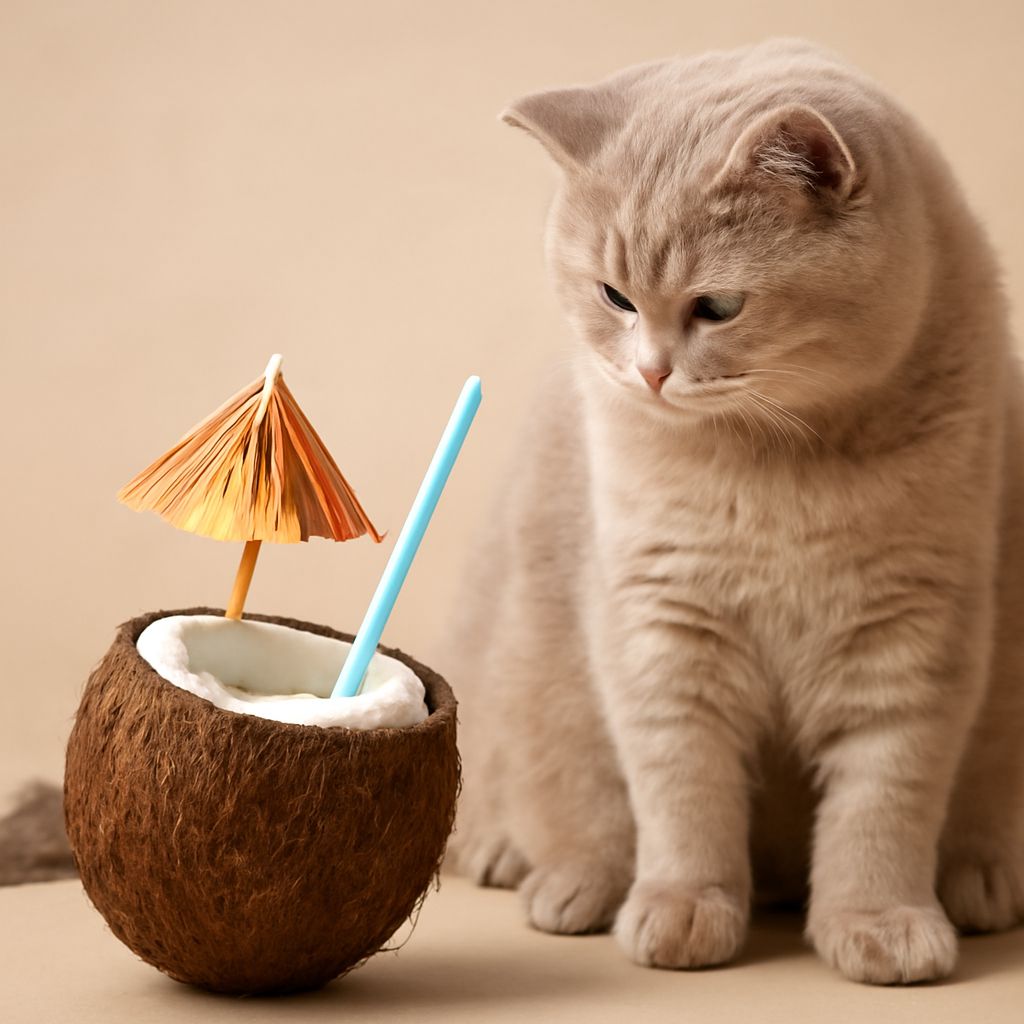
Can Cats Have Coconut Oil? What You Need to Know Before You Try It
You’ve read that coconut oil does everything from improving skin to boosting immunity, and now you’re wondering whether any of that applies to your cat. Before you scoop some out of the jar, it’s worth understanding what the actual evidence says. Can cats have coconut oil in their diet or on their skin? The answer is nuanced — not a flat yes or no.
Many pet owners ask can cats eat coconut oil after seeing it recommended in holistic pet forums or noticing their cat licking it off their fingers. Others worry: is coconut oil bad for cats? And a smaller group wants to know is coconut oil ok for cats in a topical context — applied to dry skin or a rough coat. Cat coconut oil use is not well-studied in veterinary literature, which means we’re mostly working from general nutrition principles and anecdotal reports. Here’s what that picture looks like.
What Coconut Oil Actually Contains
Coconut oil is roughly 90% saturated fat, primarily as medium-chain triglycerides (MCTs). Lauric acid makes up about 50% of that. MCTs are metabolized differently than long-chain fatty acids — they go directly to the liver rather than being stored in fat tissue first. This is what drives much of the claimed health interest in coconut oil for humans.
For cats, the situation is different. Cats are obligate carnivores with a metabolism designed around animal protein and animal fat. Their digestive systems handle fat from meat efficiently, but they’re not optimized for plant-based fats in large amounts. Coconut oil’s MCT profile doesn’t line up with a cat’s dietary needs the way fish oil or chicken fat does.
Is Coconut Oil Safe for Cats?
As an Occasional Treat or Topper
A small amount — a quarter teaspoon or less — is unlikely to harm a healthy adult cat. Some cats find the taste appealing and will lick it eagerly. As an occasional addition rather than a regular supplement, the risk is low. The main concern with regular use is the high saturated fat content, which can contribute to weight gain and, in some cats, loose stools or digestive upset.
Is Coconut Oil Bad for Cats with Certain Conditions?
Yes. Cats with pancreatitis, obesity, or a history of digestive sensitivity should avoid coconut oil. A high-fat addition to the diet can trigger pancreatic inflammation or worsen existing digestive issues. If your cat has any of these conditions, skip it entirely and consult your vet before adding any supplement to their routine.
Topical Use
Some cat owners apply a small amount of coconut oil to dry, flaky skin or a rough coat. Used externally in tiny amounts, the risk of harm is low — cats may lick some off, but the quantity involved in topical application is minimal. For persistent skin issues, though, coconut oil treats the symptom rather than the cause, and a vet visit is a better first step than a kitchen remedy.
Cat Coconut Oil: Better Alternatives
If your goal is coat health and skin hydration, fish oil is better studied and better suited to feline metabolism. Omega-3 fatty acids from fish oil support skin barrier function, reduce inflammation, and are recommended by many veterinarians. If your cat has dry skin due to diet, switching to a higher-quality wet food often addresses it more effectively than any supplement.
For cats that simply seem to enjoy the taste of coconut oil, the occasional lick isn’t a problem. But building it into the daily diet as a health supplement doesn’t have the veterinary evidence behind it that would make that worthwhile.
Bottom Line
Coconut oil isn’t toxic to cats in small amounts, but it’s not a recommended supplement either. Use it occasionally and in tiny quantities if you choose to use it at all, avoid it entirely in cats with weight or digestive issues, and talk to your vet before making it a regular part of your cat’s diet.