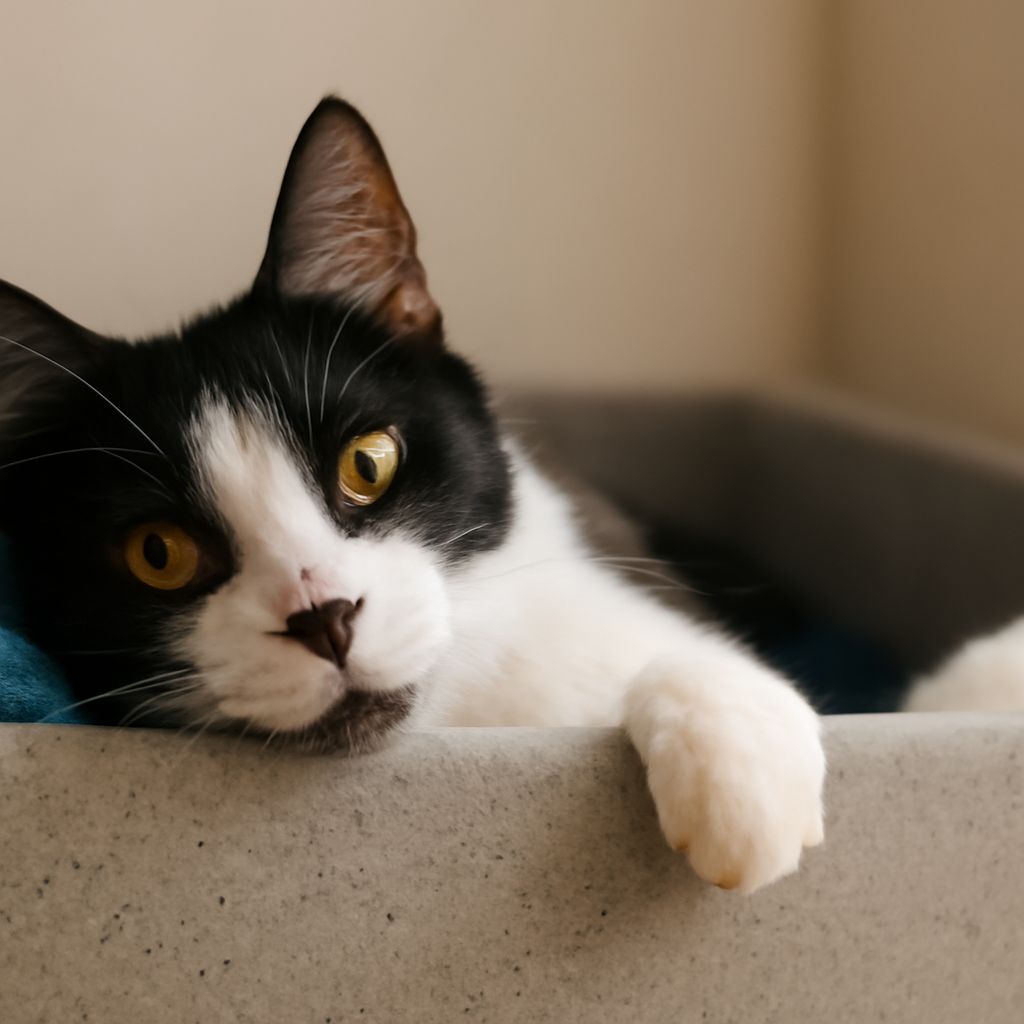
Cat Sick: Signs Your Cat Is Unwell and What to Do Next
You glance over at your cat and something feels off. Maybe they skipped breakfast, or they’re sitting hunched in a corner they never normally use. When a cat is sick, the signs are often subtle at first — cats are expert at hiding discomfort, a survival instinct left over from their wild ancestors. Knowing what to look for makes all the difference.
If you’re worried your cat is not feeling well, trust that instinct. Cat owners know their animals’ normal behavior better than anyone, and a gut feeling that something has changed is often right. This guide covers the most common symptoms of a sick cat, when to monitor at home, and when my cat is sick warrants an immediate vet call.
Common Signs a Cat Is Sick
Changes in Eating and Drinking
A cat that suddenly stops eating for more than 24–48 hours needs attention. Cats can develop hepatic lipidosis (fatty liver disease) quickly when they go without food — this makes appetite loss more urgent in cats than in many other species. On the flip side, a sharp increase in water consumption can signal kidney disease, diabetes, or hyperthyroidism.
Litter Box Changes
Straining to urinate, blood in the urine, or going outside the box are warning signs that shouldn’t wait. In male cats especially, a blocked urethra is life-threatening and needs emergency care within hours. Diarrhea lasting more than a day or two, or vomiting more than once or twice a week, also warrants a vet visit.
Changes in Behavior and Posture
A normally social cat that hides constantly, or a usually independent cat that suddenly becomes clingy, is communicating that something feels wrong. Cats that are under the weather often sit hunched with their back rounded and eyes partially closed. They may groom less, leaving their coat looking dull or matted.
Breathing and Vocalization
Open-mouth breathing in a cat that isn’t overheated or stressed is a medical emergency. Labored breathing, wheezing, or excessive vocalization — especially new yowling in an older cat — all need prompt evaluation.
When to Call the Vet
Some symptoms signal that a cat not feeling well has crossed into urgent territory. Go to an emergency vet immediately if you see:
- Difficulty breathing or open-mouth breathing
- Straining to urinate with no output (especially in males)
- Collapse or extreme weakness
- Suspected poisoning or trauma
- Seizures
- Pale, white, or blue-tinged gums
For less acute symptoms — reduced appetite, mild vomiting, a single soft stool, slight lethargy — a same-day or next-day vet appointment is appropriate. If your vet isn’t available, most areas have after-hours clinics. The symptoms of a sick cat can escalate faster than people expect, so erring toward earlier contact is always reasonable.
At home, keep your cat warm, quiet, and away from other pets while you arrange veterinary care. Don’t give human medications — many common over-the-counter drugs are toxic to cats. Acetaminophen (Tylenol) is particularly dangerous and can be fatal in even small doses.
Next Steps
Note your cat’s symptoms, when they started, and any recent changes at home — new food, new products, access to plants or outdoors. This information speeds up the diagnostic process at the vet. Keep your cat’s vaccination and deworming records current, and schedule annual wellness exams even when your cat seems healthy. Catching issues early, before a cat is visibly sick, is the most reliable way to manage feline health long-term.