can cats snore? Cat Snoring, Liver Failure, and When to Worry
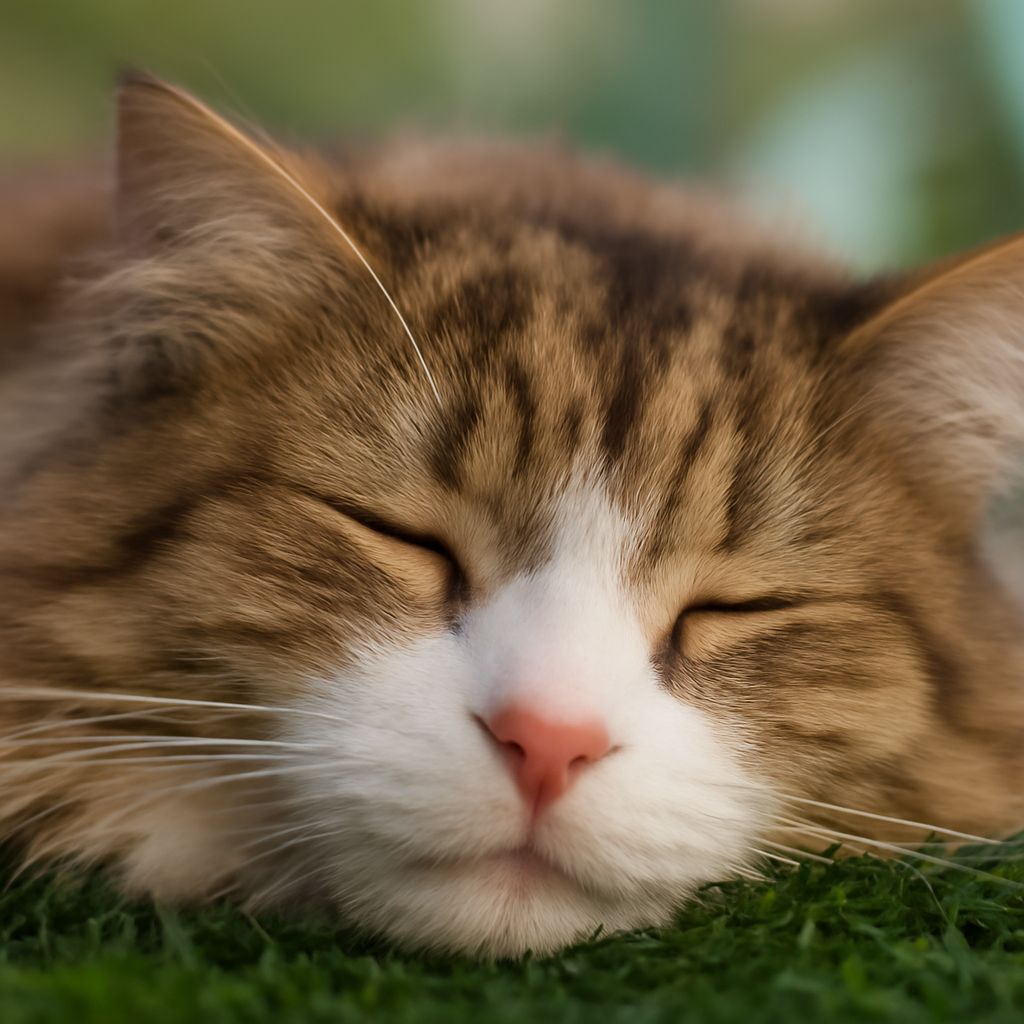
You are lying in bed and you hear a soft, rhythmic snuffling sound coming from your cat’s direction. Can cats snore? Yes — and for most cats, the occasional snore is completely harmless. But why do cats snore and when does that sound shift from amusing to concerning? The answer depends on how often it happens, how loud it is, and whether it comes with other symptoms.
Why is my cat snoring more than usual, or starting to snore when they never did before? That is a different question from a cat that has always been a light snorer. New or worsening snoring can be connected to upper respiratory changes, weight gain, or occasionally something more serious like liver failure in cats, which can cause fluid buildup and breathing changes. Signs of liver failure in cats include jaundice, weight loss, and lethargy — things well beyond simple snoring. Most snoring cats are just comfortable, heavy sleepers. Here is how to tell the difference.
Why Cats Snore: Common Benign Causes
Sleep Position
The most common reason why do cats snore is simple sleep position. When a cat curls very tightly, tucks their chin, or sleeps with their head at an odd angle, soft tissue partially blocks the airway. The same snoring that bothers your partner when they sleep on their back applies to cats too. If your cat snores only in certain positions and breathes clearly when awake or differently positioned, sleep position is almost certainly the cause.
Flat-Faced Breeds
Brachycephalic cats — Persians, Himalayans, Exotic Shorthairs — have shortened nasal passages and softer palate tissue that makes them more prone to snoring and upper airway noise during sleep. Can cats snore because of their anatomy? Absolutely. It is structural and mostly managed rather than cured, though severe cases may warrant a veterinary assessment for breathing assistance options.
Weight and Body Condition
Overweight cats carry extra fat around the throat and neck, which narrows the airway during relaxation. Why is my cat snoring louder as they have gotten heavier is a pattern many owners notice. Weight management through diet and play helps — and benefits their overall health, not just the snoring.
Respiratory Infections and Congestion
A cat with an upper respiratory infection or seasonal congestion will snore more during the acute phase. This type of snoring resolves as the infection clears, usually within one to three weeks. Other URI symptoms — nasal discharge, sneezing, watery eyes — help confirm the cause.
When Snoring Signals a Bigger Problem
Polyps and Nasal Masses
Nasal polyps — benign soft tissue growths — can cause persistent snoring and nasal discharge in cats, particularly younger cats. Nasal tumors are less common but also possible in older cats. If why is my cat snoring becomes a months-long concern with no resolution, imaging may be needed to rule these out.
Liver Failure in Cats: A Different Category Entirely
Signs of liver failure in cats include jaundice (yellow tint to the eyes, gums, or skin), pronounced weight loss, lethargy, reduced appetite, vomiting, and sometimes fluid accumulation in the abdomen. Liver failure in cats can cause breathing changes if abdominal fluid presses on the diaphragm, but this is distinct from ordinary snoring. Snoring alone is not a sign of liver disease. However, if snoring accompanies any of the other liver failure signs listed above, veterinary evaluation is urgent.
When to Call the Vet About Snoring
Get a veterinary check-up if: the snoring started suddenly in a cat that never snored before; if snoring is accompanied by open-mouth breathing or labored breathing while awake; if there is discharge from the nose alongside snoring; if the cat seems to be working harder to breathe; or if any other health changes accompany the new snoring.
Pro tips recap: Most cats that snore are doing so for harmless mechanical reasons — sleep position, weight, or breed anatomy. Track whether the snoring is new or worsening, whether it happens only during sleep, and whether any other symptoms accompany it. That combination of observations gives your vet the clearest picture if a visit becomes necessary.