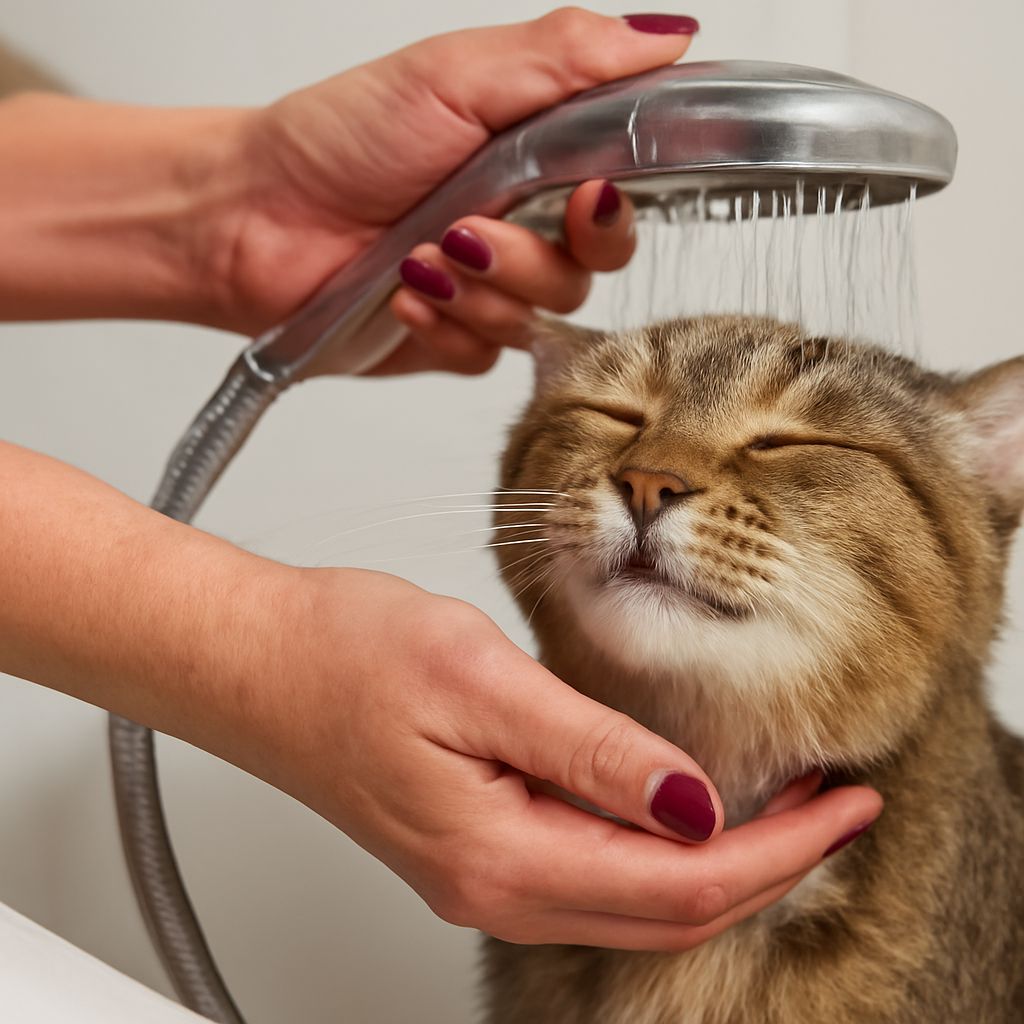
do you need to bathe cats? The Honest Answer for Cat Owners
You have heard that cats are self-cleaning and assume bathing is completely off the table. Then you notice your cat has gotten into something — engine grease, a topical product, muddy garden soil — and you genuinely need to do something about it. Do you need to bathe cats under normal circumstances? Rarely. But do i need to bathe my cat in certain situations? Yes, and knowing when those situations are, and how to handle them, is useful.
Are you supposed to give cats baths regularly the way you would a dog? No, and trying to impose a regular bath schedule on a healthy cat creates stress without benefit. Should cats be bathed at all? The answer depends entirely on the individual cat, the situation, and their coat type. Should i wash my cat is a question that is worth thinking through rather than answering categorically either way.
When Bathing a Cat Is and Is Not Necessary
When You Do Not Need to Bathe a Cat
Healthy cats with normal coats and no skin conditions do not need regular baths. Their saliva contains cleaning compounds, and their grooming behavior is designed to maintain coat health. Bathing a cat unnecessarily strips natural oils from the coat and skin, can cause dry skin, and causes significant stress for most cats. If your cat’s coat looks healthy and they are grooming normally, leave them to it.
When You Do Need to Wash Your Cat
There are specific situations where do you need to bathe cats becomes a yes. These include: contact with a toxic or irritating substance (grease, certain plants, chemicals), severe flea infestation where flea treatment needs assistance, a cat that has stopped self-grooming due to illness or obesity, very long-haired cats with matting or fecal contamination around the hindquarters, and cats with skin conditions that require medicated shampoo as part of treatment prescribed by a vet.
Long-Haired and Senior Cats
Should cats be bathed more often if they have long coats? Occasionally yes. Persians, Maine Coons, and Ragdolls sometimes develop mats and skin issues that benefit from periodic bathing — a few times a year at most, not monthly. Senior or overweight cats that struggle to reach their hindquarters for grooming may also need help with spot cleaning or occasional baths.
How to Bathe a Cat Without Making It a Disaster
Preparation Makes the Difference
Gather everything before the cat enters the equation: towels, cat-formulated shampoo, a pitcher or gentle spray attachment, and a non-slip mat for the sink or tub. Trim nails a day or two before bathing to reduce scratch risk. If your cat has never been bathed, introducing them to the bathroom and the sound of running water gradually, over several sessions, reduces the stress significantly when the actual bath happens.
Water Temperature and Technique
Use lukewarm water — cats are very sensitive to temperature. Wet the coat thoroughly, avoiding the head and ears. Apply a small amount of cat-specific shampoo and work it through gently. Rinse extremely thoroughly, as shampoo residue irritates skin and prompts the cat to lick it off, which can cause digestive upset. Avoid getting water in the ears; that can lead to infection.
Drying Your Cat
Wrap immediately in a warm towel. Most cats tolerate towel drying better than hair dryers, though some can be trained to accept a dryer on a low, cool setting held at a distance. Keep your cat in a warm room until fully dry. A damp cat loses body heat quickly, which is uncomfortable and can stress an already stressed animal.
Bottom line: Do you need to bathe cats as routine care? No. Should i wash my cat when they get into something hazardous or their coat genuinely needs help? Absolutely. Most cat owners will bathe their cat a handful of times over a lifetime, and that is completely normal and fine.