
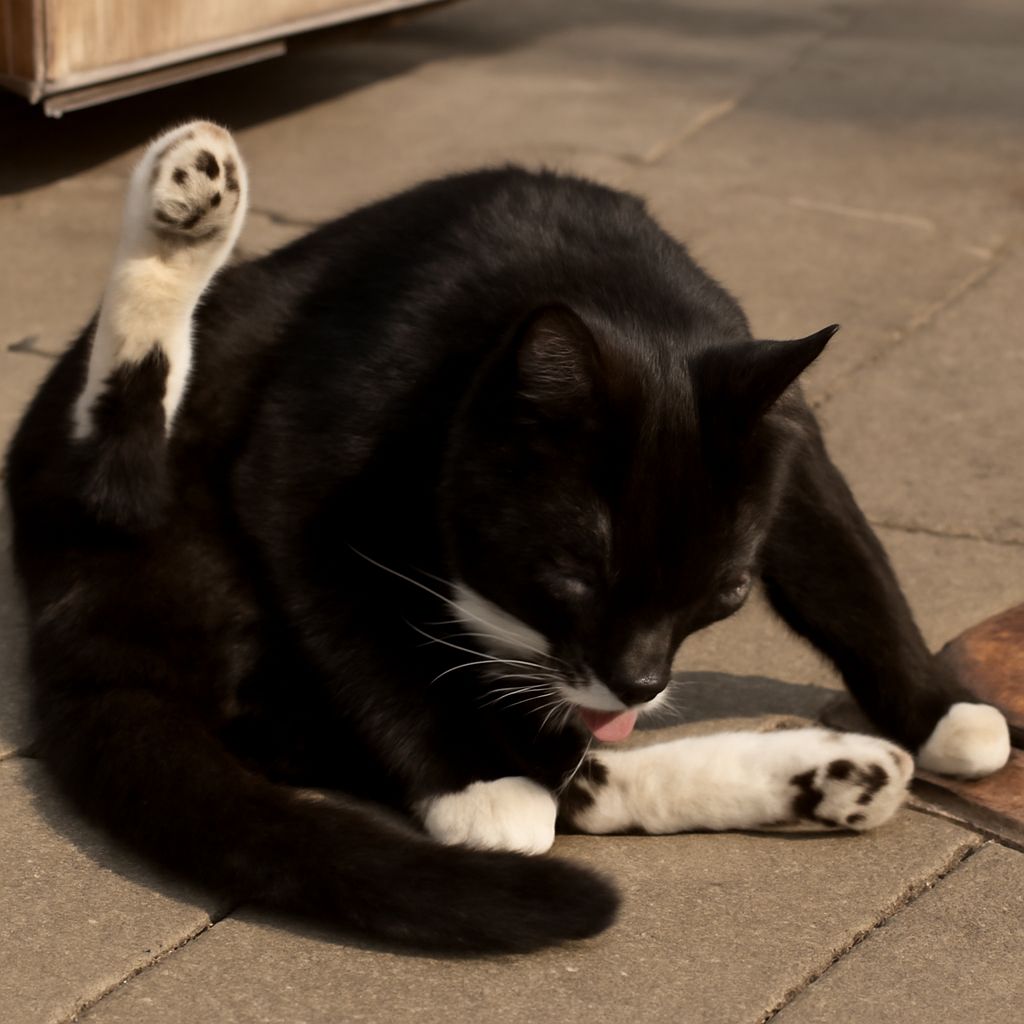
cat biting: Why It Happens and How to Respond
Your cat is sitting in your lap, purring, and you are gently petting them — then suddenly they turn and bite your hand. Cat biting that comes out of apparent nowhere is one of the most confusing behaviors for cat owners to deal with. It does not mean your cat is aggressive or broken. It means something specific happened that you probably missed, and understanding the cause is the first step to changing the pattern.
Cat biting hand during play is different from a cat that bites during petting, which is different again from a cat nipping during grooming or social interaction. Cat behavior biting comes in several distinct categories, and cats biting for each reason calls for a different response. This guide breaks down the main types and what actually works to address them.
Types of Cat Biting and What Drives Them
Overstimulation Biting
The most common form of cat biting in adult cats is overstimulation — sometimes called “petting aggression.” Your cat tolerates touch up to a point, then suddenly bites. This is not unpredictable once you know the warning signs: tail flicking, skin rippling, ears rotating back, a stiffening of the body. The bite is a communication that your cat has hit their limit. The solution is stopping before you reach that limit, not punishing the bite after it happens.
Play Biting
Kittens bite during play because that is how they interact with littermates. Cat biting hand in play is normal kitten behavior that becomes a problem when it continues into adulthood. Cats that were separated from their litters too early, or that grew up without other cats to play with, often bite harder than they should because they never learned bite inhibition through peer feedback. Redirecting play biting to appropriate toys — rather than hands — is the effective approach.
Cat Nipping as Communication
Cat nipping — a light, quick bite without breaking the skin — is often a request or a comment rather than aggression. A cat that nips when you stop petting, nips to get your attention, or nips to ask you to move is using their teeth as a tool for communication. These cats are not trying to hurt you; they are trying to get a result. Teaching alternative communication, like sitting nearby or vocalizing, takes time but is very achievable.
Fear and Defensive Biting
A cat that bites when cornered, restrained, or handled against its will is displaying defensive cat behavior biting. This is not aggression — it is a cat that has run out of other options. A cat that flattens its ears, crouches low, and hisses before biting is using every signal it has. The bite is a last resort. Reducing forced handling and building trust through positive interactions reduces defensive biting over time.
Pain-Related Biting
A cat that suddenly starts biting during petting — especially if they were previously tolerant of touch — may be in pain. Arthritis, a skin condition, an abscess, or an internal illness can all make normally acceptable touch suddenly painful. If cats biting behavior changes abruptly without an obvious behavioral reason, a veterinary check-up is warranted before trying any behavioral intervention.
What Actually Reduces Cat Biting
Read and Respond to Body Language
The single most effective thing you can do about cat biting hand or petting bites is learn to read your cat’s body language earlier and stop before the bite happens. Watch the tail, the ears, and the skin. Stop petting before you see warning signals, give the cat a moment, and let them choose to engage further or not.
Never Use Punishment
Physical punishment — tapping the nose, spraying water — does not reduce biting. It increases fear and anxiety, which often makes cat behavior biting worse over time. Cats do not connect the punishment to the bite the way training techniques rely on; they connect it to your presence, which damages trust.
Redirect Play Aggression Early
For cats that bite during play, always redirect biting energy to a wand toy or ball rather than your hands. Stop play immediately and walk away when teeth contact skin — this teaches that the game ends when biting happens. Consistency from all household members is essential for this to work.
Key takeaways: Cat biting almost always has a specific cause — overstimulation, play, communication, fear, or pain. Identifying which type you are dealing with is the first step, because the solutions are different. Reading your cat’s body language earlier and redirecting appropriately works far better than punishment, which tends to make the problem worse.