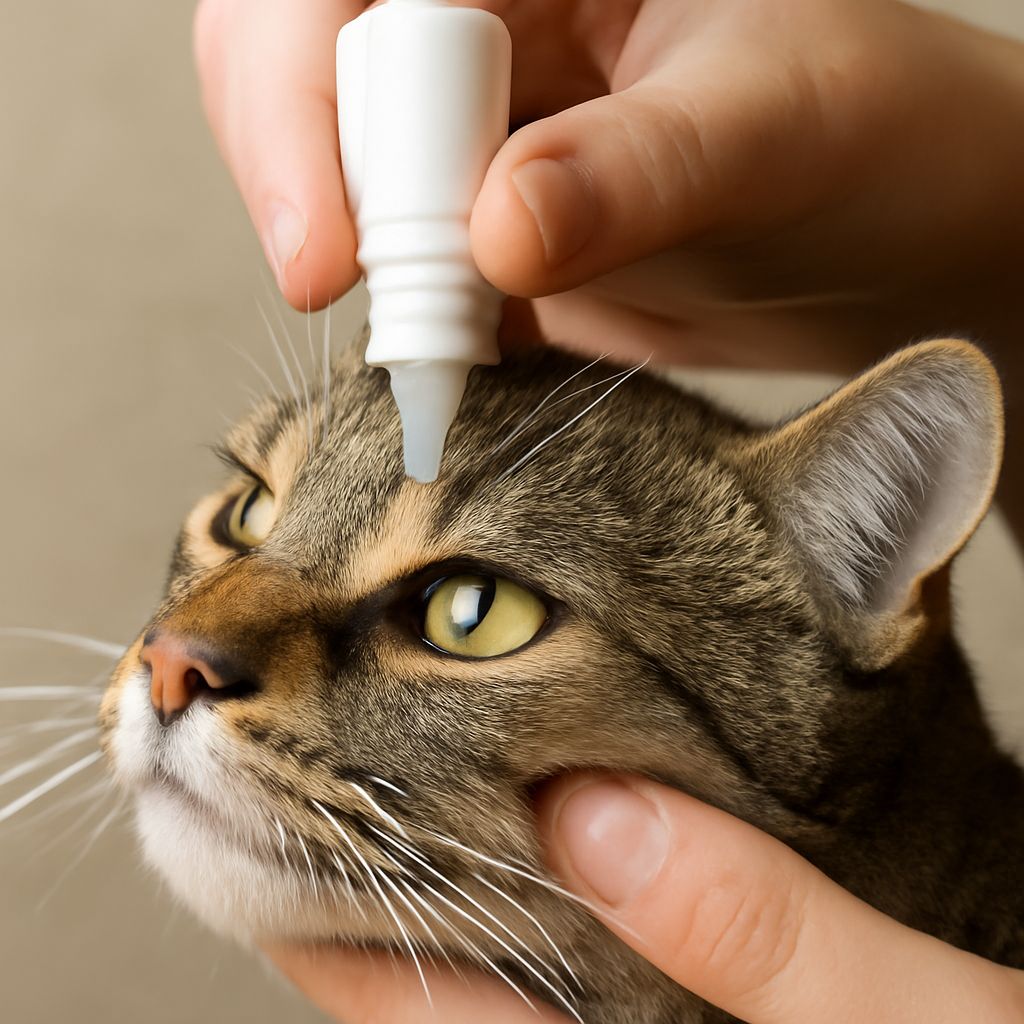
my cat has a runny nose: Causes, Care, and When to Worry
You notice your cat sneezing more than usual, and when you look closer, you see a clear or slightly cloudy discharge around his nostrils. My cat has a runny nose — that thought is followed quickly by uncertainty. Is this a cold? Something worse? Most of the time, a cat’s nose running is a minor issue, but the color and consistency of the discharge, combined with other symptoms, will tell you a lot about what is actually going on.
Cats nose running happens for many reasons: upper respiratory infections, environmental irritants, allergies, dental problems, and occasionally something more serious. If you are noticing that cat has a runny nose alongside sneezing, watery eyes, or reduced appetite, the cause is probably a respiratory infection. Cat nose running on its own, without other symptoms, is often just irritation from dust, perfume, or dry air. Runny nose in cats is rarely dangerous when caught early and monitored carefully.
Common Causes of a Runny Nose in Cats
Upper Respiratory Infections
The most frequent reason a cat has nasal discharge is an upper respiratory infection, or URI. Feline herpesvirus (FHV-1) and calicivirus cause the majority of URIs in cats. These infections spread easily between cats through shared food and water bowls, mutual grooming, or close contact. Symptoms include sneezing, nasal discharge, eye discharge, mild fever, and reduced energy. Most cats recover within one to three weeks with supportive care.
Environmental Irritants and Allergies
Cats nose running without other illness symptoms often traces back to something in the environment. Scented candles, cigarette smoke, cleaning products, air fresheners, and even certain cat litters can irritate the nasal passages and trigger discharge. Some cats develop true allergic rhinitis — an immune response to pollen, mold, or dust — that causes chronic or seasonal nasal symptoms.
Dental and Nasal Anatomy Issues
Upper tooth root infections can cause one-sided nasal discharge in cats because the roots of the upper premolars sit very close to the nasal passage. A cat with a runny nose on only one side is worth a veterinary examination to rule out dental or structural causes. Polyps in the nasal passages are another possibility, particularly in younger cats.
Foreign Bodies
Cats sometimes inhale small pieces of grass, seeds, or other debris that lodge in the nasal cavity. A sudden onset of severe sneezing combined with nasal discharge — especially one-sided — can indicate a foreign body. This needs veterinary attention to locate and remove the object safely.
How to Help a Cat With a Runny Nose at Home
Keep Nasal Passages Clear
Use a soft, damp cloth to gently wipe away discharge from around your cat’s nostrils. Do not push into the nostril or use cotton swabs. Keeping the area clean reduces discomfort and helps you monitor whether the discharge is getting worse. If the discharge changes from clear to yellow or green, that usually signals bacterial involvement and a vet visit is warranted.
Humidity Helps
Dry indoor air makes a cat’s nose running worse. Running a cool-mist humidifier near your cat’s resting area loosens secretions and makes breathing more comfortable. A brief steam session — bringing the cat into a steamy bathroom while you shower — can also help clear congestion temporarily.
Support Appetite and Hydration
Cats with runny noses often lose interest in food because congestion impairs their sense of smell. Warm wet food is more aromatic and easier to eat. Offer small, frequent meals and make sure your cat is drinking enough water. Dehydration complicates any illness.
When to Call the Vet
Get veterinary care promptly if the nasal discharge is thick and colored (yellow or green), if your cat stops eating entirely, if breathing sounds labored or noisy, if both eyes are also heavily discharging, or if symptoms have not improved after five days. Kittens, senior cats, and cats with underlying health conditions need faster evaluation than healthy adult cats.
Key takeaways: Runny nose in cats is common and usually tied to a respiratory infection or environmental irritant. Most mild cases resolve with basic home care and humidity support. Watch for colored discharge, labored breathing, or loss of appetite as signs that it is time to call your vet.