Unique Cat Trees: Finding the Right Statement Piece for Your Home
You want something for your cat that doesn’t look like it came out of a big-box pet store. You’ve looked at dozens of options and keep gravitating toward unique cat trees — pieces that actually fit your home’s aesthetic while still giving your cat somewhere worth climbing. The right furniture can do both.
If you’re researching cat trees that look like trees — actual branching structures rather than stacked platforms — you’re already thinking in the right direction. You might also be weighing the merits of a carpeted cat tree versus one with sisal or smooth wood. Or you’ve been reading tree shaped cat tree reviews trying to figure out which designs hold up after a few months of daily use. All of that research is worth doing before you spend the money.
What Makes a Cat Tree Stand Out
Design That Matches Your Space
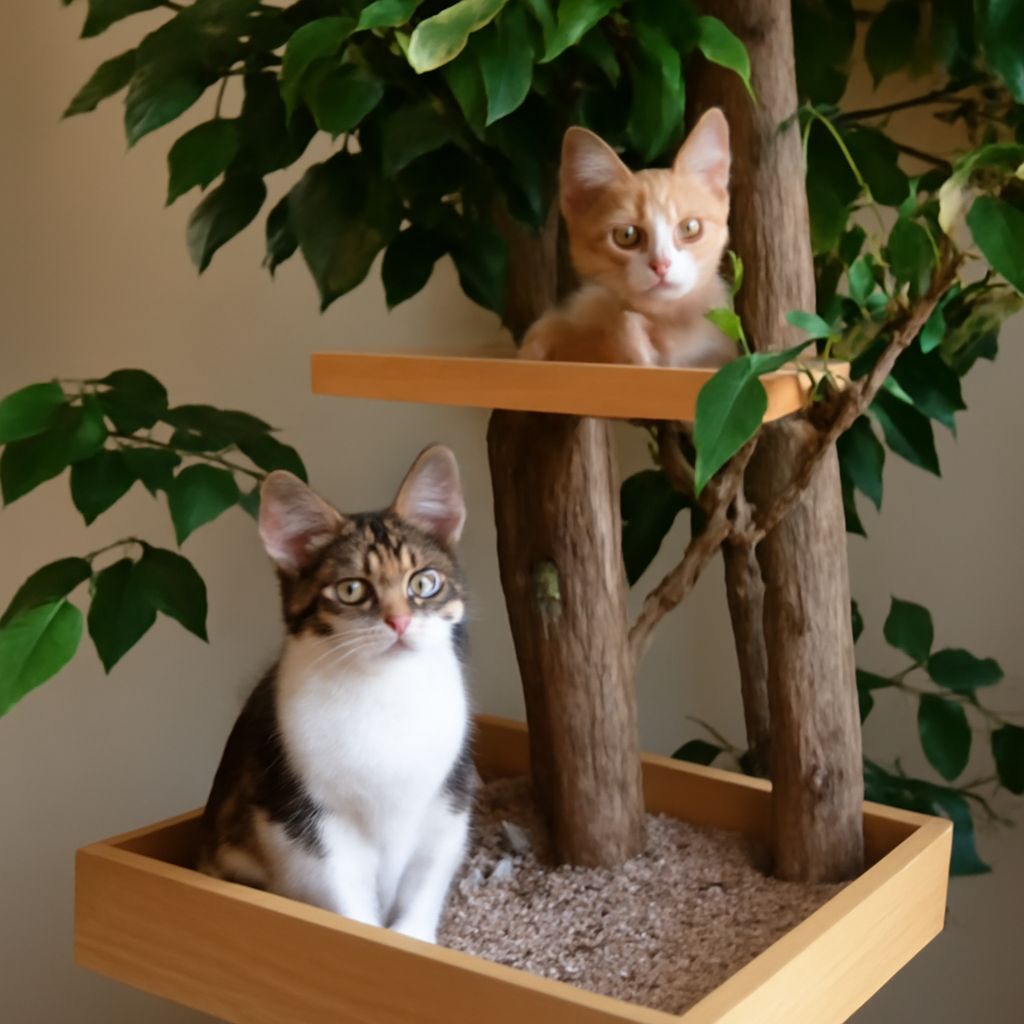
Most of the cat trees that end up in corners and forgotten are ones that nobody actually wanted to look at. A well-designed piece — something with clean lines, natural materials, or a genuine tree-like form — gets incorporated into the room rather than tolerated. Cat trees designed to mimic real tree structures often use actual wood branches or wood-grain finishes that work alongside modern or natural home decor rather than against it.
The Case for Carpeted Surfaces
A carpeted cat tree remains popular for good reason. Cats instinctively prefer surfaces they can grip, and carpet gives them that traction on platforms and ramps. The downside is wear — carpet on a heavily-used tree starts to look rough within a year on most models. Higher-quality options use tighter weave carpet that holds up longer and doesn’t pill as quickly.
Sisal and Natural Wood Options
If carpet isn’t your preference, sisal rope and natural wood give you alternatives that both look better and often last longer. Sisal posts handle scratching well, and when the rope eventually wears, many manufacturers sell replacement wrapping. Natural wood platforms don’t shed fibers and are easier to wipe clean, making them a practical choice for households with allergy concerns.
Stability and Load Capacity
The most common complaint in cat tree reviews is wobbling. A tall tree-shaped structure needs a wide, weighted base to stay upright when a ten-pound cat launches off a top platform. Before buying, check the base dimensions relative to the overall height. Anything over five feet should have a base footprint at least 18 to 24 inches across on its shortest dimension.
Reading Cat Tree Reviews Effectively
What to Look for Beyond Star Ratings
Star ratings on cat trees often reflect the buying experience as much as the product itself. For useful feedback, read the three-star reviews — they tend to be the most detailed and honest about specific issues. Look for mentions of how long the reviewer has owned the piece, whether their cat actually uses it, and whether any parts failed early.
Red Flags in Product Listings
Watch for listings that show only small cats in product photos, or that don’t include dimensions. A tree shaped for a large Maine Coon will look different from one sized for a small domestic shorthair. If the listing doesn’t specify weight capacity or material source, that’s worth noting before you commit.
Next steps: Measure your available floor space and ceiling height before shortlisting any models. Decide between carpet, sisal, and wood surfaces based on your home’s look and your tolerance for maintenance. Then filter reviews by owners with cats similar to yours in size and energy level to get the most relevant feedback before buying.