Ceramic Cat Fountain: Why It’s Worth the Upgrade for Your Cat’s Health
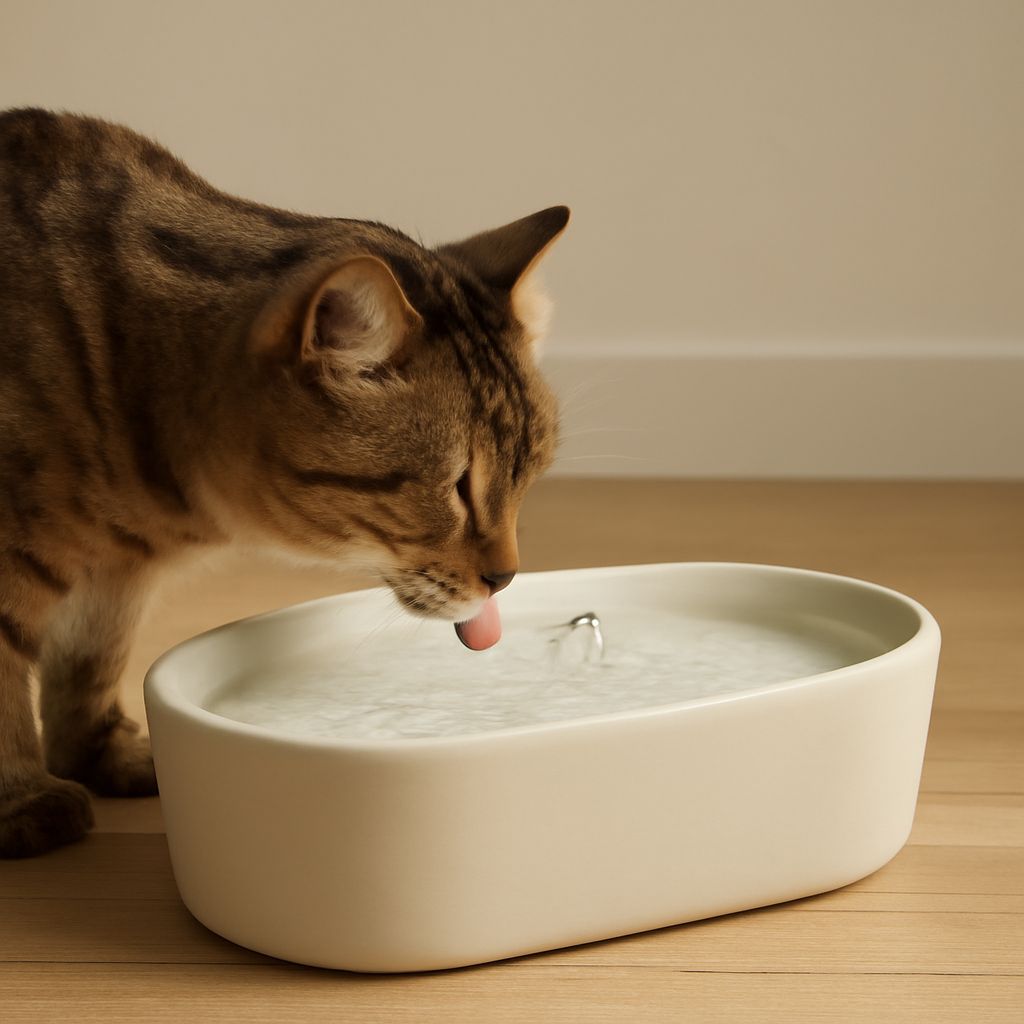
You’ve noticed your cat drinking from the bathroom faucet and ignoring the plastic bowl you fill every day. Running water appeals to cats for biological reasons, and a ceramic cat fountain addresses that preference while solving the hygiene and taste issues that come with still water in a plastic container. If you’re comparing water fountain options, understanding what makes ceramic the better material for the job makes the choice straightforward.
Ceramic cats — as a design motif — show up everywhere from kitchen tiles to coffee mugs. But a cat water fountain ceramic construction is a functional choice, not just an aesthetic one. The material doesn’t harbor bacteria the way plastic does, it doesn’t absorb odors, and it can go in the dishwasher. If you’re researching fountain options and wondering why ceramic consistently gets recommended, this guide explains the practical reasons behind that preference and what to look for when choosing one.
Why Material Matters in a Cat Water Fountain
Plastic develops microscopic scratches from regular use that harbor biofilm — colonies of bacteria that standard rinsing doesn’t remove. This biofilm can cause or worsen feline acne (small black dots on the chin) in sensitive cats. It also affects water taste in ways cats detect far more acutely than humans do. Cats that refuse to drink from a plastic bowl or plastic fountain may drink readily from ceramic or stainless steel alternatives.
A ceramic cat fountain doesn’t develop these scratches with normal use. The surface stays smooth, cleans completely with a standard dishwasher cycle, and doesn’t retain the plastic-adjacent taste that some cats reject. For owners dealing with cats that are chronic underdrinters or prone to urinary issues, removing the material as a deterrent is a meaningful practical step.
Health Benefits of Running Water for Cats
Cats evolved in environments where still water was more likely to be stagnant and contaminated. Moving water sends a signal of freshness and safety — which is why so many cats prefer taps and fountains over bowls. A cat water fountain ceramic model keeps water circulating continuously, which also maintains cooler temperatures and increases oxygenation.
The hydration benefit is real. Cats fed dry food need to drink significantly more water than cats on wet food, and many don’t meet their needs with a still bowl. A fountain reliably increases water intake in most cats, particularly in households where the cat ignores the bowl but shows interest in running water. Improved hydration supports kidney function, reduces the risk of urinary crystal formation, and helps with digestion and temperature regulation.
What to Look For in a Ceramic Cat Fountain
Not all ceramic fountains are equally well made. Check these points before buying:
- Pump quality: The pump should be quiet, easy to disassemble, and simple to clean. Pumps that can’t be fully taken apart accumulate debris that eventually affects water quality.
- Reservoir size: A single-cat household can get by with 1.5 liters; multi-cat households benefit from 2–3 liters to reduce refill frequency.
- Filtration: Most fountains include a carbon filter to remove taste impurities and a foam filter to catch debris. Replace filters on the manufacturer’s schedule — typically every two to four weeks.
- Dishwasher compatibility: Confirm that all ceramic components are dishwasher-safe, not just labeled “ceramic.” Some decorative pieces use coatings that degrade at high temperatures.
- Flow design: Some cats prefer a gentle bubbling surface; others like a freefall stream. If you don’t know which your cat prefers, start with a model that offers both options.
Cleaning and Maintenance
Even a well-made ceramic cat fountain needs a consistent cleaning schedule. Rinse and refill every two to three days. Disassemble fully and wash all components weekly — the pump especially accumulates a biofilm ring around the housing that needs manual scrubbing to remove. Monthly deep cleaning with a dilute white vinegar solution breaks down mineral deposits that build up in hard-water areas.
A fountain that isn’t maintained is no better than a dirty bowl. The ceramic material makes cleaning faster and more thorough, but it doesn’t substitute for the cleaning itself.
Key takeaways: A ceramic cat fountain is the best combination of hygiene, durability, and cat acceptance for most households. Moving water increases feline water intake measurably, and ceramic’s non-porous surface stays clean in a way plastic cannot. Choose a model with a quality pump, adequate capacity for your number of cats, and straightforward disassembly for weekly cleaning.