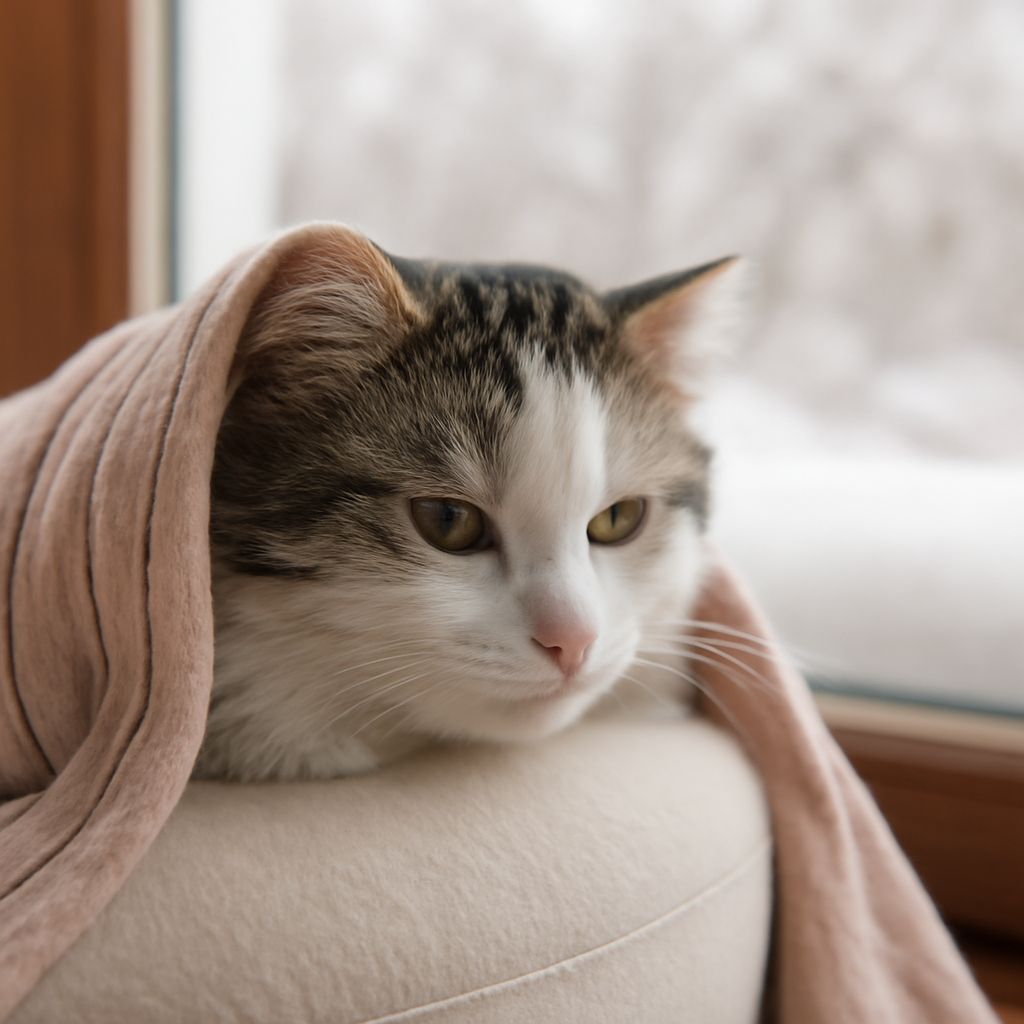
Cat Cold Symptoms: What They Look Like and How Long They Last
Your cat has been sneezing repeatedly, her eyes are a bit watery, and she’s less interested in food than usual. It looks and sounds like a cold — and you’re probably wondering whether you or your kids could catch it. Cat cold symptoms are real and can be genuinely uncomfortable for your pet, but the viruses that cause them don’t work the same way human cold viruses do.
So can i catch a cold from my cat? The answer is almost certainly no — feline respiratory viruses don’t infect humans. How long do cat colds last is another common question, and the answer is usually one to three weeks. The reverse question also comes up: can i give my cat a cold by sneezing near them? Similarly, can cats catch a human cold from an infected owner? These crossover infections are exceptionally rare if they occur at all. The practical answer for most households is that cat colds and human colds are separate problems running in separate biological systems.
What Feline Upper Respiratory Infections Actually Are
Common Causes
What gets called a “cat cold” is usually feline upper respiratory infection (URI), most commonly caused by feline herpesvirus type 1 (FHV-1) or feline calicivirus (FCV). Both spread between cats through direct contact, shared food and water bowls, or shared litter boxes. Feline herpesvirus is particularly common — once a cat is infected, the virus remains dormant in the nervous system and can reactivate during stress or illness, producing new outbreaks of cat cold symptoms throughout the cat’s life.
Recognizing Cat Cold Symptoms
The clinical signs of feline URI closely mirror what you’d see in a human cold:
- Sneezing — often repeated and productive
- Watery or mucous discharge from the nose
- Eye discharge, red or swollen eyes (conjunctivitis)
- Reduced appetite (partly because congestion impairs smell)
- Mild lethargy
- Occasional low fever
Calicivirus can additionally cause mouth ulcers, which may make eating painful. If your cat seems hesitant to eat and is pawing at its mouth, check for visible sores on the tongue or lips.
How Long Cat Colds Last and When to Call the Vet
Typical Recovery Timeline
In healthy adult cats with mild infections, cat cold recovery typically takes 7 to 14 days with supportive care at home. Kittens, seniors, and immunocompromised cats may take longer and are at higher risk of complications. The upper respiratory infection itself is usually viral — antibiotics don’t affect viruses — but secondary bacterial infections can develop and do respond to antibiotics if needed.
Home Care During Recovery
Keep the cat warm and comfortable. Use a warm, damp cloth to gently wipe discharge from the nose and eyes several times a day. If nasal congestion is severe, running a humidifier nearby or letting the cat sit in a steamy bathroom for a few minutes can help loosen mucus. Offer warm food — the increased scent may encourage eating when congestion reduces smell. Make sure fresh water is always available, as cats with URIs can become mildly dehydrated.
When Veterinary Care Is Needed
Contact your vet if your cat stops eating entirely for more than 24 hours, if discharge becomes thick yellow or green (indicating bacterial infection), if the cat develops difficulty breathing, or if symptoms worsen significantly after day three or four. Kittens with URI symptoms need veterinary attention earlier, as they can deteriorate quickly.
Can Cats Give Colds to Humans — and Vice Versa?
The viruses behind feline URIs — FHV-1 and FCV — are species-specific. They don’t have the receptor pathways needed to infect human cells. So can i catch a cold from my cat through sneezing or close contact? No, not from these viruses. The same goes for the reverse: the rhinoviruses responsible for most human colds don’t replicate in cats. Can cats catch a human cold from someone who’s sick? Current evidence says this essentially doesn’t happen under normal circumstances.
The only practical precaution worth taking is washing hands after handling a cat with an active URI before you touch other cats — feline-to-feline transmission is real and happens readily. Isolate a sick cat from other household cats during an active infection to prevent spread through the multi-cat household.
Key takeaways: Cat cold symptoms are caused by species-specific viruses that don’t infect humans, and human cold viruses don’t infect cats. Most cat colds resolve in one to two weeks with supportive care at home. Kittens, seniors, or cats that stop eating need veterinary attention sooner rather than later.