
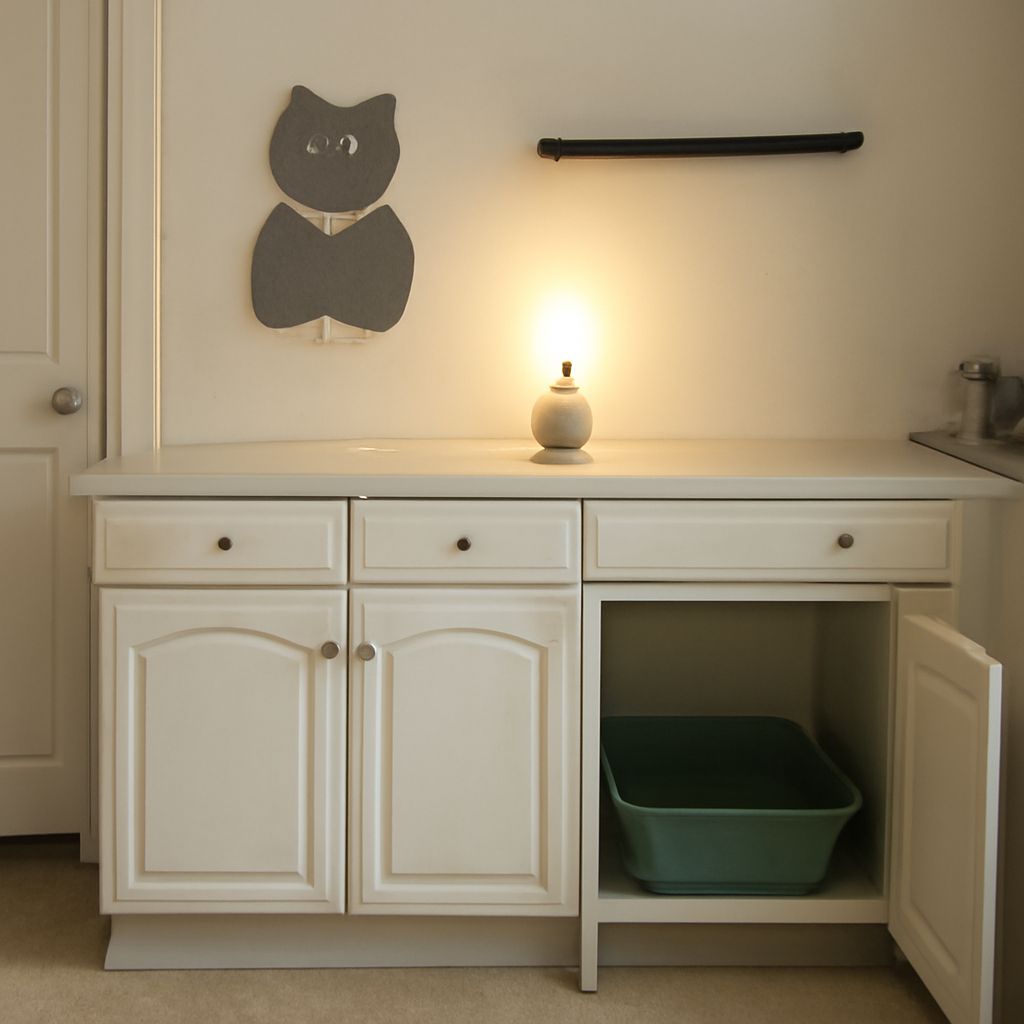
Hidden Cat Litter Box Ideas: How to Disguise Your Cat’s Washroom
You love your cat. You’re less enthusiastic about the plastic box in the corner of your bathroom that announces itself to every visitor. A hidden cat litter box solves both the aesthetic and odor problem without sacrificing your cat’s comfort or hygiene. Whether you live in a studio or a three-bedroom house, there are practical solutions that work.
A cat litter enclosure doesn’t have to look like litter management — it can look like a side table, a bench, or built-in cabinetry. The goal when you hide cat litter box setups is finding the right balance between concealment and ventilation, easy cleaning access, and your cat’s willingness to use it. There are more cat litter box ideas for disguising the box than most owners realize, and the right cat washroom solution depends on your space and your cat’s habits.
Why Concealment Matters — and the Limits of It
Concealing the litter area reduces visual clutter, contains odor, and makes your home more comfortable for guests. But the enclosure can’t come at the expense of the cat’s willingness to use it. Cats are particular about their toilet area. An enclosed litter setup must be large enough for the cat to turn around fully, clean enough that the cat doesn’t refuse to enter, and ventilated well enough that ammonia doesn’t build up inside.
Some cats accept any enclosure readily. Others — particularly larger cats, anxious cats, or cats with previous negative experiences — may resist a fully enclosed box. If your cat hesitates, try removing the door from the enclosure first, then reintroducing it gradually once the cat is comfortable using the space.
Furniture-Style Enclosures
The most popular hidden litter box solution is purpose-built furniture that doubles as functional storage. These typically look like side tables, nightstands, or accent cabinets, with a cat-sized opening cut into one side. The litter box sits inside; a small rug or mat just inside the entrance catches litter tracked out on the cat’s paws.
These work well in living rooms and bedrooms. Look for models with a removable top or a hinged door panel for cleaning access — without that, maintenance becomes difficult enough that the enclosure gets neglected. Ventilation holes or slots in the back help airflow without making the opening obvious from across the room.
DIY Litter Box Concealment Options
If you want a custom fit for your space, a few DIY approaches work well. A large wicker or rattan basket with a lid is one of the simplest cat litter box ideas: cut an entrance in one side, line the interior with a plastic tray for easy cleanup, and add a small clip-on carbon filter inside the lid for odor. It looks like a decorative storage piece from any angle.
Another approach is repurposing a vintage cabinet, a planter box, or a hollow ottoman. The key requirements are the same regardless of the container: big enough for the cat to use comfortably, easy to open for cleaning, and ventilated to prevent ammonia buildup. A cat washroom made from a repurposed piece can look completely intentional as part of your decor.
Under-Sink and Built-In Solutions
Bathrooms are a natural location for litter boxes, and the cabinet under a bathroom sink is often underused. Removing the cabinet doors entirely and replacing them with a hinged panel with a cat-sized cutout creates a fully hidden setup that’s also easy to access for cleaning. The existing plumbing ventilation in bathrooms helps with airflow.
Built-in solutions — litter nooks built into a laundry room wall, under a staircase, or in a dedicated mudroom — are the most seamless of all. If you’re renovating, this is worth planning for. A purpose-built litter alcove with a closable door and a small vent is a permanent, clean solution that disappears entirely when not in use.
Keeping the Enclosure Clean and Cat-Friendly
Whatever enclosure style you choose, the cleaning schedule matters more than the enclosure itself. Scoop daily — this is even more important with a hidden setup because odor builds faster in an enclosed space. Replace litter fully once a week. Wipe down the interior of the enclosure monthly with a mild, unscented cleaner. Avoid strongly scented cleaners or air fresheners inside the enclosure; cats’s noses are sensitive, and strong perfume near the litter area can cause them to avoid it.
Next steps: Measure your available space first, then decide whether a furniture-style enclosure, a DIY solution, or a built-in setup fits best. Start with the entrance uncovered if your cat is cautious about new spaces, and add the door only after they’ve used it reliably for a week. Clean consistently — a well-maintained hidden litter setup works far better than a neglected one.