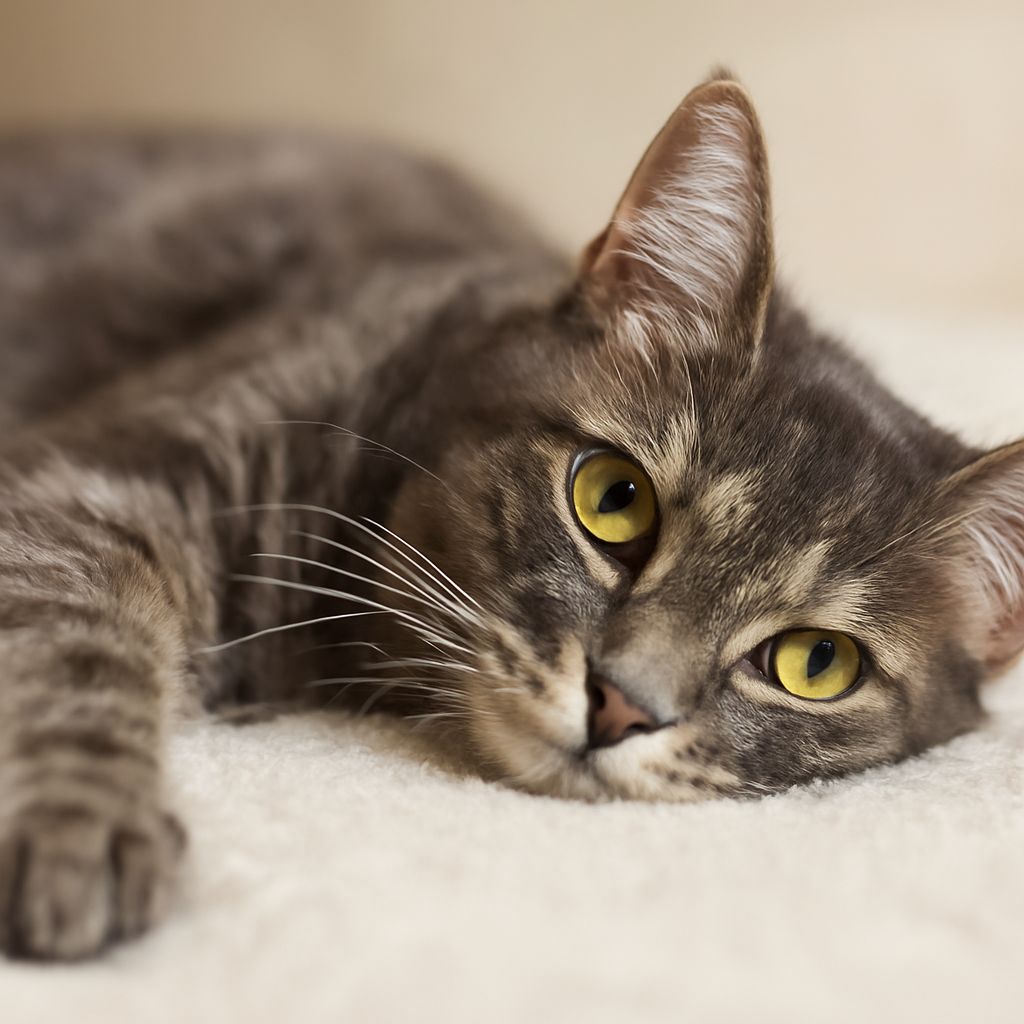
How Do I Know If My Cat Is Sick? Signs and Symptoms to Watch
Your cat has been quieter than usual. She ate only half her breakfast and spent the morning tucked behind the sofa instead of following you from room to room. Something feels off — but cats are famously good at hiding discomfort. If you’ve been asking yourself how do I know if my cat is sick, you’re asking the right question, and noticing subtle changes is the first step.
Recognizing the signs your cat is sick early can make a real difference in how quickly they recover. Cats don’t vocalize pain the way dogs do. Instead, they withdraw, change their habits, and show small physical clues. Understanding sick cat symptoms means learning to read those clues — changes in appetite, grooming, posture, and behavior — before a problem becomes serious. Cat sick symptoms range from obvious to easy to miss, and knowing the signs of a sick cat gives you confidence to act when it counts.
Behavioral Changes That Signal Something Is Wrong
Withdrawal and Hiding
Healthy cats seek company or at least maintain their usual routines. A cat that suddenly retreats to tight, dark spaces and resists being touched is often coping with discomfort or illness. This is one of the most consistent indicators that your cat isn’t feeling well. The hiding instinct goes back to wild ancestors who concealed weakness to avoid predators — your pet carries that same programming.
Changes in Vocalization
Increased yowling or, conversely, unusual silence can both signal a problem. A cat that never meows and suddenly becomes vocal, especially at night, may be in pain or experiencing cognitive changes. One of the more telling cat illness behaviors is a shift in how much or how often they communicate.
Reduced Grooming or Overgrooming
A cat that stops grooming develops a dull, matted coat. One that grooms obsessively — particularly in one area — may have a skin condition, pain at that site, or anxiety. Both patterns are worth noting as signs that something has changed internally.
Physical Signs Your Cat May Be Unwell
Appetite and Thirst Changes
Going off food for more than 24 hours is a red flag in cats. Unlike dogs, cats that stop eating can develop hepatic lipidosis (fatty liver disease) within days. Increased thirst alongside increased urination can point to diabetes or kidney disease — both common in older cats.
Vomiting and Diarrhea
Occasional vomiting happens, but frequent vomiting — more than once or twice a week — or vomiting with blood needs a veterinary assessment. Loose stools for more than a day or two, or stools with blood or mucus, are equally concerning. These are among the clearer sick cat symptoms that owners tend to notice.
Changes in Weight
Run your hands along your cat’s ribcage. You should feel the ribs but not see them. If the ribs are sharp and prominent, weight loss has occurred. Sudden gain is less common but also worth investigating. Unexplained weight change in either direction is a reliable indicator that your vet should take a look.
Respiratory Signs
Open-mouth breathing in cats is almost always a sign of distress — unlike dogs, cats don’t pant to cool themselves in normal circumstances. Rapid breathing, noisy breathing, or labored chest movement require prompt veterinary attention.
When to Call the Vet
Some symptoms warrant same-day care. Difficulty breathing, complete refusal to eat for 48 hours, inability to urinate (especially in male cats), obvious pain, seizures, or sudden collapse are emergencies. Don’t wait to see if things improve on their own with any of these.
For milder concerns — slight appetite reduction, one episode of vomiting, mild lethargy — monitor closely for 24 hours. If the symptom persists or additional ones appear, contact your vet. Keeping a brief log of what you observe, including timing and any changes in routine, helps your vet make a faster, more accurate assessment. Recognizing the signs of a sick cat isn’t about diagnosing — it’s about knowing when to get professional eyes on your pet.