
Do Cats Lose Teeth? What to Know About Cat Dental Health
You find a tiny white tooth on the couch cushion and your first instinct is panic. Then you remember your kitten is about four months old, and everything starts to make sense. Yes, cats do lose teeth, but the timing and context matter a lot. Kittens go through a natural tooth replacement process, and knowing the difference between normal development and a problem is something every cat owner benefits from understanding.
Do cats teeth fall out naturally? In kittens, absolutely. Do cats lose their teeth as adults? Under normal circumstances, no. A cat lost tooth in an adult animal is almost always a sign of an underlying dental problem rather than a natural process. Whether you found a cat lost a tooth and aren’t sure why, or you’re watching your kitten go through teething, this guide covers the full picture.
Kitten Teething: Normal Tooth Loss in Young Cats
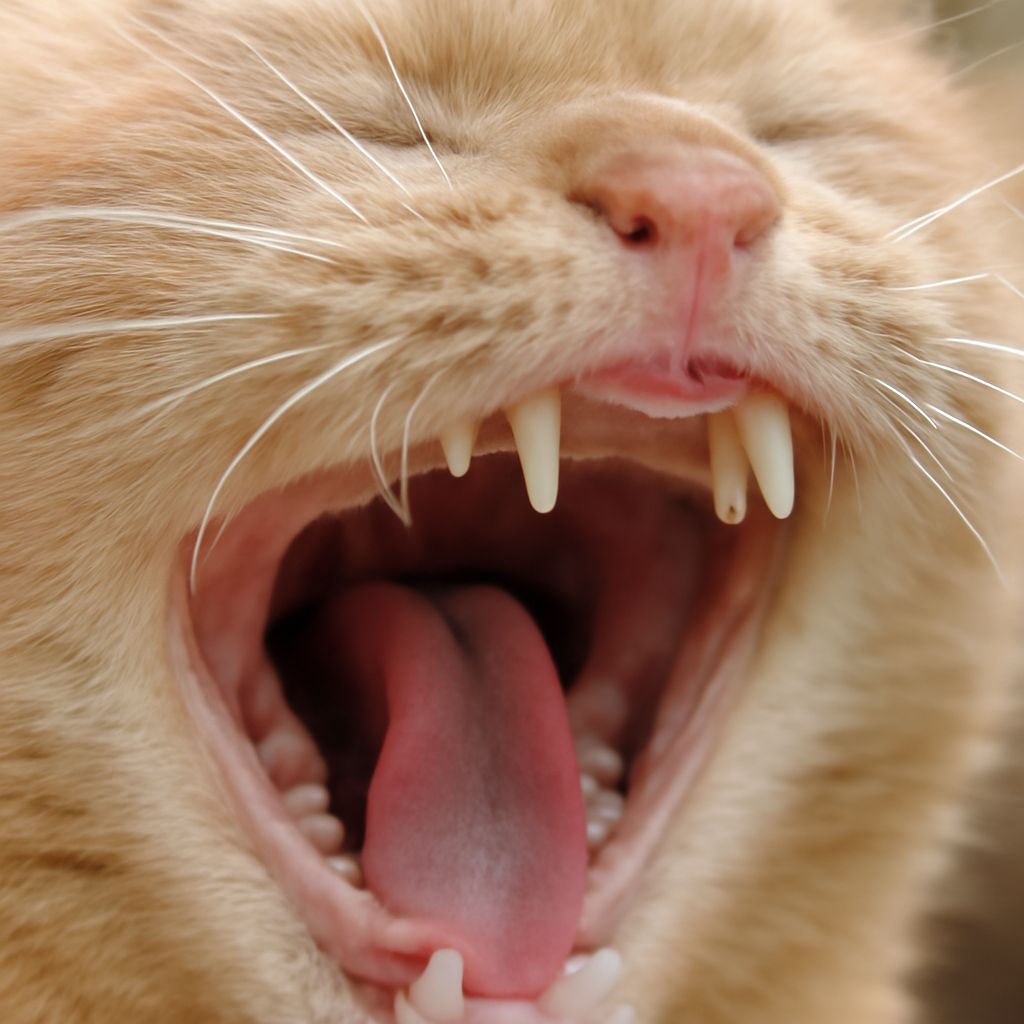
Kittens are born without teeth. Their baby teeth, called deciduous teeth, start coming in around three weeks of age and are fully present by about six to eight weeks. These 26 temporary teeth then give way to 30 permanent adult teeth between roughly three and six months of age.
During this transition, it’s completely normal for kittens to lose teeth at random. Many owners never find the teeth at all because kittens often swallow them. If you notice your kitten drooling slightly more than usual, chewing on things with extra intensity, or being a little more food-selective, those are signs of teething discomfort rather than illness.
By seven months of age, the full adult set should be in place. If some baby teeth haven’t fallen out by then and adult teeth are growing in beside them, your vet may recommend extraction to prevent crowding and misalignment.
Adult Cats and Tooth Loss
Adult cats should not be losing teeth. If your adult cat has a cat lost tooth situation, the most common causes are periodontal disease, tooth resorption, or trauma.
Periodontal disease is the leading cause of tooth loss in adult cats. It starts with plaque buildup on tooth surfaces, which hardens to tartar and eventually causes infection of the gum tissue and bone around the tooth. As the supporting structures break down, teeth loosen and fall out. The process is often painless in early stages, which is why cats frequently have severe dental disease before owners notice anything wrong.
Tooth resorption affects a large percentage of adult cats. In this condition, the body’s own cells begin breaking down the tooth structure from the inside out. The exact cause isn’t fully understood, but it can lead to significant pain and ultimately to the tooth crumbling or falling out. Cats with tooth resorption may chew on one side, drop food, or flinch when the affected area is touched.
Trauma from falls, fights, or chewing on hard objects can crack or knock out teeth. A cat lost a tooth after a fall or fight should still be seen by a vet even if the cat seems otherwise fine, because root fragments left behind can cause infection.
Recognizing Dental Problems Early
Bad breath is often the first sign owners notice. Healthy cats don’t have strong breath odor; persistent bad breath in a cat usually indicates bacterial activity in the mouth. Other signs include: pawing at the mouth, drooling more than usual, reluctance to eat hard food, changes in chewing patterns, red or swollen gums, or visible tartar buildup on the back teeth.
Cats who are losing teeth due to disease often show none of these signs until the problem is advanced, because cats are very good at masking pain. Regular dental checks during annual vet visits catch problems that owners can’t see at home.
Prevention and Dental Care at Home
Daily tooth brushing with a cat-specific toothpaste is the most effective way to slow plaque buildup and reduce the risk of periodontal disease. Most cats can be trained to accept brushing if introduced gradually, starting with just letting them lick the paste off your finger before introducing a brush.
Dental chews, water additives, and dental-formula dry food are supplemental tools, not replacements for brushing. Professional dental cleanings under anesthesia are sometimes necessary to remove tartar below the gum line that home care can’t reach.
Next steps: Check your cat’s mouth monthly for red gums, visible tartar, or unusual odor. Start a brushing routine now if you haven’t, and book a dental check at your next annual vet visit. For kittens around three to six months old, watch for retained baby teeth alongside incoming adult teeth and mention anything unusual to your vet.