
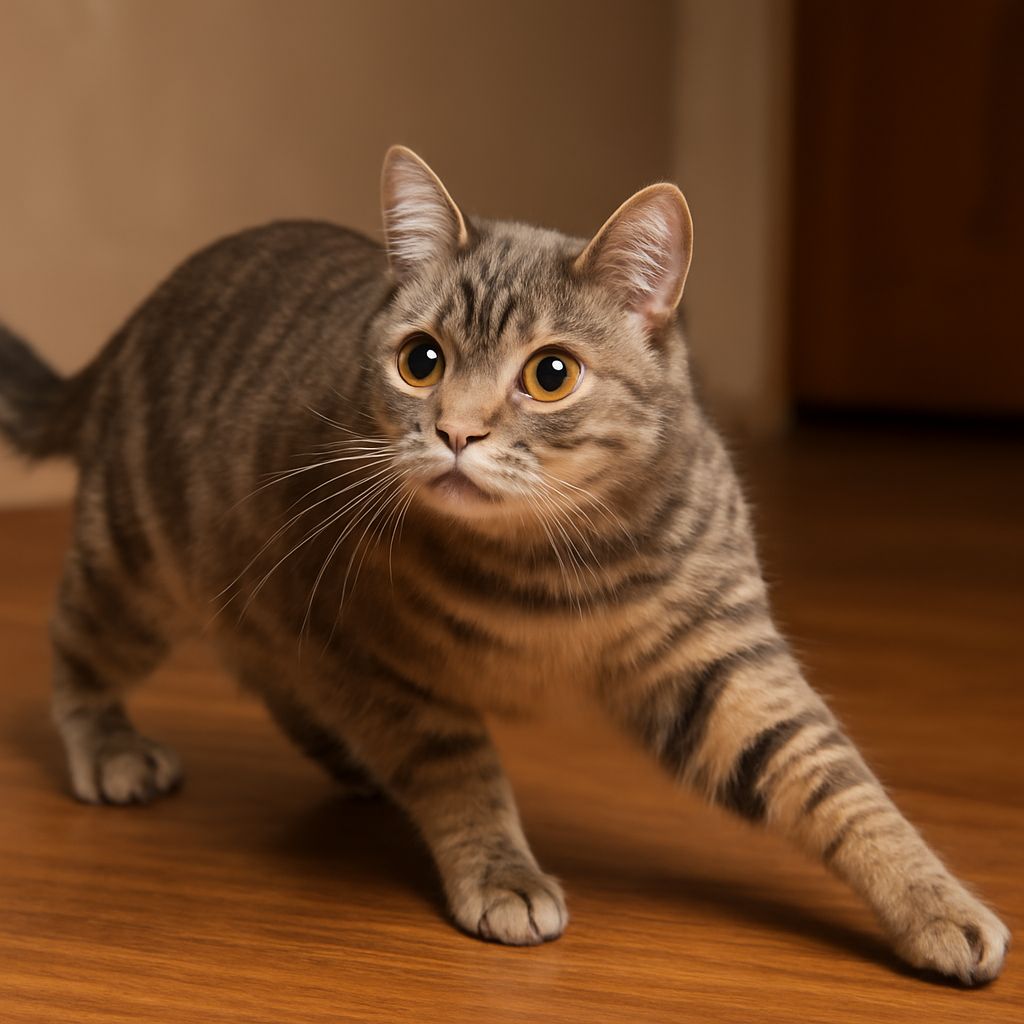
Cat Zoomies: Why Cats Run Around Crazy at Night
It’s 2 a.m. and your cat has just launched off your chest, sprinted down the hall, ricocheted off the wall, and thundered back through the bedroom at full speed. You’ve experienced cat zoomies firsthand, and while the chaos is impressive, you’re also genuinely curious what’s driving it. Why do cats run around at night with such sudden and total intensity? The answer connects to biology your cat can’t simply switch off.
A zoomies cat isn’t malfunctioning. This behavior, which cat behaviorists call FRAP (Frenetic Random Activity Period), has roots in feline evolutionary history. Why do cats go crazy at night specifically? Because cats are crepuscular hunters, most active at dawn and dusk, and when that energy doesn’t get spent on actual hunting, it comes out as explosive indoor sprints. Why do cats run around and meow at night as a combined behavior? That part often adds a social layer to an already instinct-driven event.
The Instinct Behind the Zoomies
Wild cats hunt multiple small prey animals per day. Each hunt involves a full sprint, pounce, and burst of intense physical effort. Indoor cats don’t hunt, but their nervous system still builds and releases that same predatory energy on a schedule tied to low-light hours.
Crepuscular Activity Patterns
Cats are most biologically primed for activity during the transitional light of dawn and dusk. The late evening and early morning hours trigger an internal readiness state that many cats release through zoomie sprints. This is why your cat’s midnight energy explosion is so predictable; it happens at roughly the same time each night because it’s driven by the same internal clock.
Prey Drive Without an Outlet
The predatory sequence in cats involves stalking, chasing, catching, and killing. An indoor cat who doesn’t get enrichment activities that simulate this sequence accumulates tension. Zoomies are one way that accumulated drive discharges. Cats who get regular interactive play sessions with wand toys tend to have milder or less frequent zoomie episodes than cats who don’t.
Post-Litter Box Zoomies
A specific and common zoomie trigger is using the litter box. Many cats sprint after defecating, which is thought to be a vestigial response to quickly leaving an area where a predator might detect their presence. If your cat reliably zooms after using the box, that’s normal. If the box visits have increased alongside the zoomies, check for constipation or digestive discomfort.
When Zoomies Are Linked to Nighttime Vocalization
Cats who run around and meow at night are adding a social component to their energy release. In some cases this is attention-seeking; a cat who learned that nighttime chaos gets humans out of bed has incentive to repeat the performance. In older cats, sudden increases in nighttime vocalization combined with restlessness can sometimes indicate hyperthyroidism or cognitive dysfunction, and warrants a veterinary check.
Differentiating Play Zoomies from Distress
Normal zoomies look playful: the cat’s body is loose, the eyes are wide and bright, and the movement is explosive but not panicked. A cat experiencing genuine distress moves differently, often with a tucked tail, flattened ears, and frantic rather than exuberant energy. If your cat’s nighttime running includes hiding, panting, or vocalizing in a way that sounds distressed rather than excited, that’s worth investigating.
How to Reduce Nighttime Zoomies
You can’t eliminate zoomies entirely, nor should you try. They’re a healthy energy release. You can, however, shift when they happen and reduce their intensity.
Play an active, wand-toy-based session with your cat about an hour before your preferred bedtime. Follow that with a small meal. This mimics the natural hunt-eat-groom-sleep sequence cats follow in the wild, and often results in a cat who settles down for the night around the same time you do.
Puzzle feeders and enrichment toys left out overnight also give cats who wake up energized a low-chaos outlet for that energy without requiring your participation.
Next steps: Start a 10-minute interactive play session each evening before bed using a wand toy, then feed your cat their last meal of the day immediately after. Track whether nighttime zoomie intensity decreases over two weeks. If your cat is older and nighttime restlessness has increased suddenly, schedule a veterinary appointment to rule out thyroid or cognitive issues.