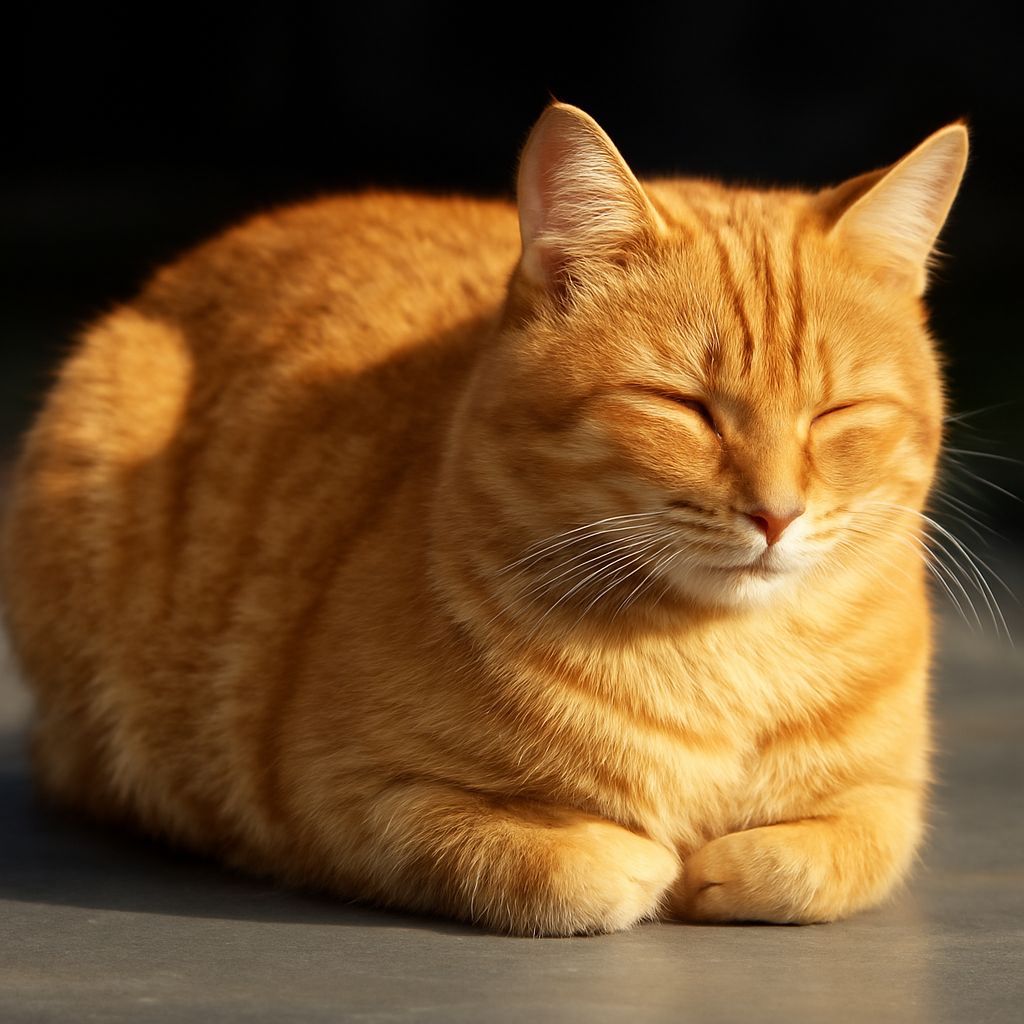
Cat Loaf Position Explained: Why Cats Sit in a Loaf
You glance over at your cat sitting on the couch and notice they’ve tucked all four paws neatly underneath their body, forming a perfect rectangular blob. Their tail wraps around the base, their eyes are half-closed, and they look uncannily like a loaf of bread. This is the cat loaf, and it’s one of the most photographed feline poses on the internet. But there’s more going on beneath that compact little form than just a cute position.
Cat loafing is a deliberate posture that tells you something about how your cat is feeling at that moment. Cats loafing around the house aren’t just being funny; they’re communicating through body language. The cat loaf position shows up in specific contexts, and once you understand what it signals, you’ll read your cat’s mood a lot more accurately. Cats loafing is completely normal and healthy in most cases, but the details matter.
What the Loaf Position Signals
When a cat tucks their paws under their body and settles into the loafing position, they’re not fully relaxed but they’re not on alert either. It’s a middle state: comfortable enough to rest, but ready to move quickly if needed. A fully relaxed cat rolls onto their side or exposes their belly. A cat who feels unsafe keeps their paws tucked and their head up.
Comfort and Warmth
Tucking all four legs under the body conserves body heat efficiently. Cats in a loaf are essentially trapping warmth against their own core. You’ll see this position more often in cooler rooms or on cool surfaces. It’s a practical behavior with a thermal explanation behind it.
Mild Alertness
The loaf position lets a cat launch to standing in a fraction of a second. Paws tucked beneath them compress like springs. This differs from a sleeping cat stretched out, who would need extra moments to gather themselves before moving. The cat loaf is rest with an exit plan.
Contentment Without Full Surrender
Cats who feel comfortable in their environment but aren’t completely melted into the furniture often loaf. It’s a relaxed but engaged posture. If your cat loafs facing you or near you, that’s a good sign; they’re comfortable enough to rest in your presence without feeling they need to actively monitor you.
When the Loaf Position Might Mean Pain
This is the part most articles skip. While loafing cat behavior is usually benign, a cat who is suddenly spending far more time in the loaf position than usual, or who seems reluctant to move out of it, might be guarding pain. Cats in abdominal discomfort often sit hunched and tucked in a way that resembles a loaf but is slightly more tense: the back may be arched subtly, and the cat won’t make eye contact or respond to interaction.
Watch for accompanying signs: reduced appetite, hiding more than usual, vocalizing when touched on the belly, or avoiding jumping. If cats loafing more than normal coincides with any of these, a vet check is worthwhile.
Distinguishing Comfort Loaf from Pain Loaf
A comfortable loaf comes with a relaxed face: whiskers neutral, ears pointing forward or gently to the side, and a slow blink if you make eye contact. A pain loaf tends to come with a tighter expression: ears slightly flattened or pulled back, whiskers pulled back, and eyes partly closed in a tense rather than sleepy way. The body may look hunched rather than smoothly rounded.
Checking Posture Details
Look at the base of the tail and the back muscles. In a relaxed loaf, the back is relatively flat. In a pain loaf, the spine often has a slight arch and the haunches may be tucked under more than usual. These small differences are easier to spot once you know your individual cat’s normal loafing shape.
Loafing Variations and What They Mean
Cats do interesting things with the basic loaf form. The Sphinx loaf has the front paws extended forward rather than tucked completely under. This is even more alert than the standard loaf and indicates the cat is watching something specific. The partial loaf, where one paw sticks out to the side, usually means the cat was settling into a loaf but got distracted partway through.
The mega loaf, where a large or fluffy cat becomes an impressively wide rectangle, is purely a result of size and coat volume. Maine Coons and Norwegian Forest Cats are particularly talented mega-loafers.
Bottom line: The cat loaf position is normal, healthy, and tells you your cat is somewhere between rested and ready. Learn your individual cat’s loafing baseline, and any significant change from it, whether in frequency, posture details, or accompanying behavior, is worth paying attention to.