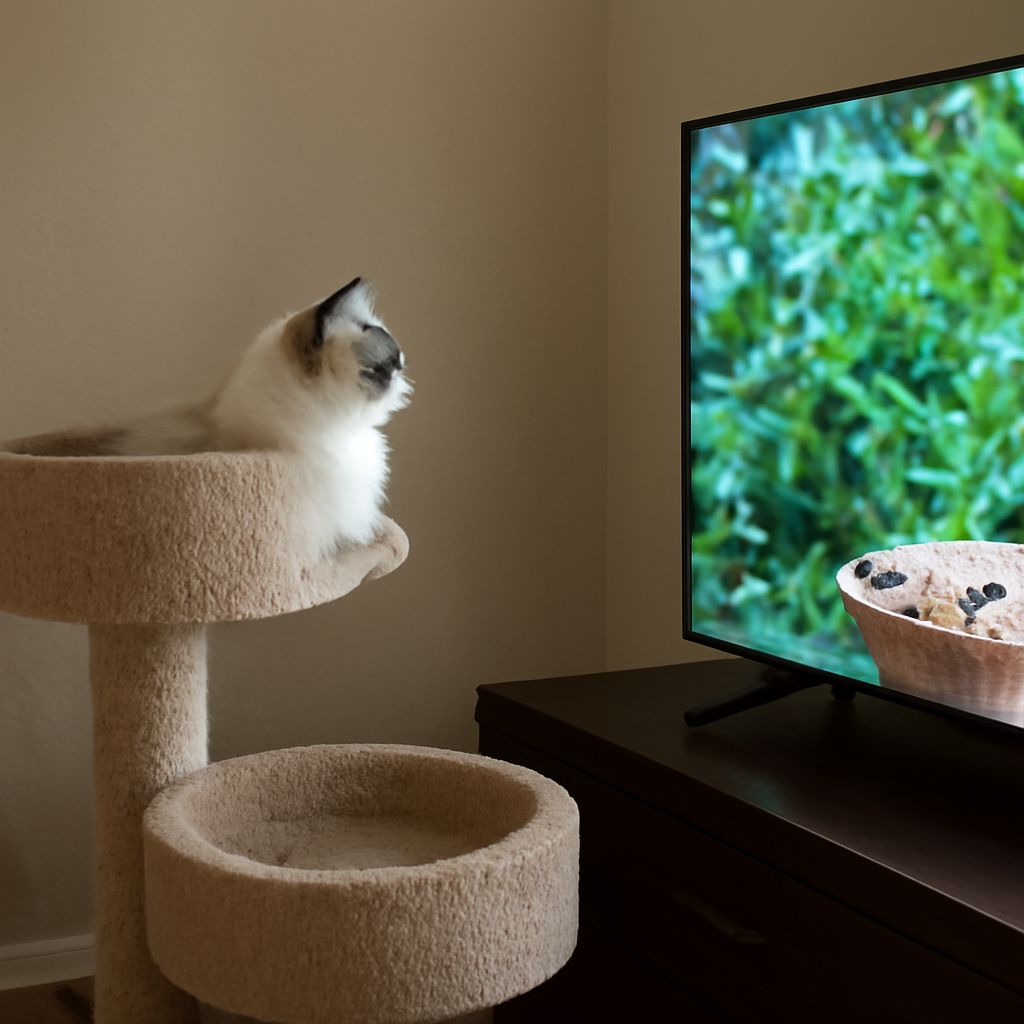
Cat Shows Explained: From Cat TV Shows to Live Events
You just finished binge-watching a series of cat shows on a lazy Sunday afternoon, and now you’re curious about what actually happens at a real cat show. Whether you stumbled across cat tv shows featuring exotic breeds or caught a clip of a cat trainer putting a Maine Coon through impressive tricks, the world of competitive feline events is far more layered than most people expect. Shows about cats have exploded in popularity, and it turns out the live versions are just as entertaining as anything on screen.
If you’ve ever wrapped your own cat burrito-style in a towel to clip their nails, you already know cats don’t always cooperate with human agendas. Yet somehow, show cats manage to strut their stuff before judges without bolting off the table. This guide breaks down how it all works.
What Happens at a Live Cat Show
A cat show is a competitive event where purebred and household-pet cats are evaluated by certified judges. Most shows are sanctioned by organizations like TICA (The International Cat Association) or CFA (Cat Fanciers’ Association), which set breed standards for everything from ear shape to coat texture.
Cats are transported to the venue in decorated cages, then called to judging rings throughout the day. Each judge examines a cat independently, handling the animal and comparing it against its breed standard. Points accumulate over a show season, and top-ranked cats earn regional and national titles.
The Judging Process
Judges assess cats on structure, coat quality, eye color, temperament, and how well the animal matches its breed standard. A calm, confident cat scores well; a cat that hisses or struggles loses points. This is where a skilled cat trainer makes a real difference. Many competitive cat owners work with trainers for months to get their cats comfortable being handled by strangers.
Show Categories
Most shows include Championship (intact purebreds), Premiership (altered purebreds), Kitten, Household Pet, and sometimes Agility classes. The Household Pet category is open to any cat, giving mixed-breed owners a way to participate without pedigree paperwork.
The Role of Breed Standards
Each recognized breed has a written standard describing ideal physical traits. A Persian, for instance, should have a flat face, round eyes, and a dense coat. Judges score how closely each cat matches that written description. Slight deviations don’t disqualify a cat, but they affect placement.
How Cat TV Shows Differ from Live Competition
Television programs about cats range from documentary-style deep dives into breed history to reality competitions where owners train their cats to perform tasks. Shows about cats on streaming platforms have introduced millions of viewers to the world of cat exhibitions without them ever stepping inside a convention center.
Live shows are more technical and quieter than the edited drama of television. There’s no dramatic music when a Siamese walks to the judging table. But for cat people, watching a perfectly groomed Birman hold still under bright lights carries its own kind of satisfaction.
Popular Formats on Television
Some programs focus on the competitive cat show circuit, following breeders across multiple seasons. Others feature a celebrity cat trainer working with problem-behavior cats in home environments. Agility-focused formats have also gained traction, showing cats navigating obstacle courses on command.
What TV Gets Wrong
Edited television tends to compress weeks of training and showing into tidy narratives. Real competitors spend years developing a show cat and attend dozens of events before earning a title. The grooming alone for a long-haired breed can take several hours before a show morning.
Getting Your Cat Ready for a Show
If you want to try competitive showing, start by attending a local show as a spectator. Talk to breeders and exhibitors, pick up entry forms, and observe how judging works. Many experienced showers are happy to mentor newcomers.
Basic preparation includes regular grooming, veterinary health checks, and socialization to strangers and noisy environments. Wrapping a cat snugly, sometimes called the cat burrito technique, helps many owners safely handle cats during ear cleaning or nail trims at home. That same tolerance for handling translates well to the show ring.
Finding a Qualified Cat Trainer
Working with a professional trainer who specializes in felines is different from dog training. A cat trainer focuses on positive reinforcement using food rewards and target sticks, building behaviors incrementally. Cats can learn to walk on cue, pose on pedestals, and stay calm in carrier bags. These skills directly benefit show performance.
Health and Vaccination Requirements
All shows require proof of current rabies and FVRCP vaccinations. Some venues also require negative FeLV/FIV tests. Contact the show secretary before entering to confirm the specific health documentation required for that event.
Bottom line: Whether you’re drawn in by cat tv shows or want to enter a live competition yourself, the world of cat showing rewards patience, dedication, and genuine appreciation for feline beauty. Start as a spectator, talk to experienced exhibitors, and take it one show at a time.