Cat Not Drinking Water: Why It Happens and How to Help
You fill the water bowl every morning and notice at night it’s barely touched. Your cat not drinking water becomes a concern, especially when you know that hydration is directly tied to urinary and kidney health. Cats are notoriously bad at drinking enough water even under ideal conditions, so a cat that seems to be drinking even less than usual is worth paying attention to.
If you’re asking why won’t my cat drink water, there are quite a few possible answers ranging from bowl placement to health issues. A cat wont drink water might just be picky about the container or location. When a cat doesn’t drink water for an extended period, the risks compound. A cat stopped drinking water alongside other symptoms, like reduced appetite or lethargy, needs a vet call rather than just a bowl swap.
Why Cats Often Don’t Drink Enough
Instinctive Water Aversion Near Food
In the wild, cats avoided water sources near prey carcasses because those sources could be contaminated. This instinct persists in domestic cats. Many cats refuse to drink from a bowl placed directly next to their food dish. Moving the water bowl to a separate location, even across the room, often increases drinking significantly.
Bowl Material and Depth
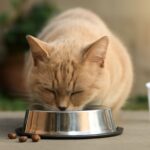
Cats have sensitive whiskers and dislike having them compressed against the sides of a bowl. A shallow, wide bowl reduces whisker contact and many cats drink more from it. Plastic bowls can retain odors even after washing, which cats detect and find off-putting. Stainless steel or ceramic bowls are better choices for most cats.
Water Freshness and Temperature
Cats prefer fresh, cool water. A bowl that has been sitting out for 12 or more hours may smell stale to your cat even if it looks clean. Changing water twice daily and rinsing the bowl each time before refilling addresses this. Some cats specifically prefer water that has been filtered or left to stand briefly to dissipate chlorine.
Wet Food vs. Dry Food Diet
Cats on an exclusively dry food diet need to drink considerably more water than cats eating wet food, since wet food is 70 to 80 percent water. A dry-food-only cat that drinks little from a bowl may actually be mildly dehydrated without visible signs. Transitioning partially or fully to wet food is one of the most effective ways to increase a cat’s total water intake.
Solutions That Actually Work
Water Fountains
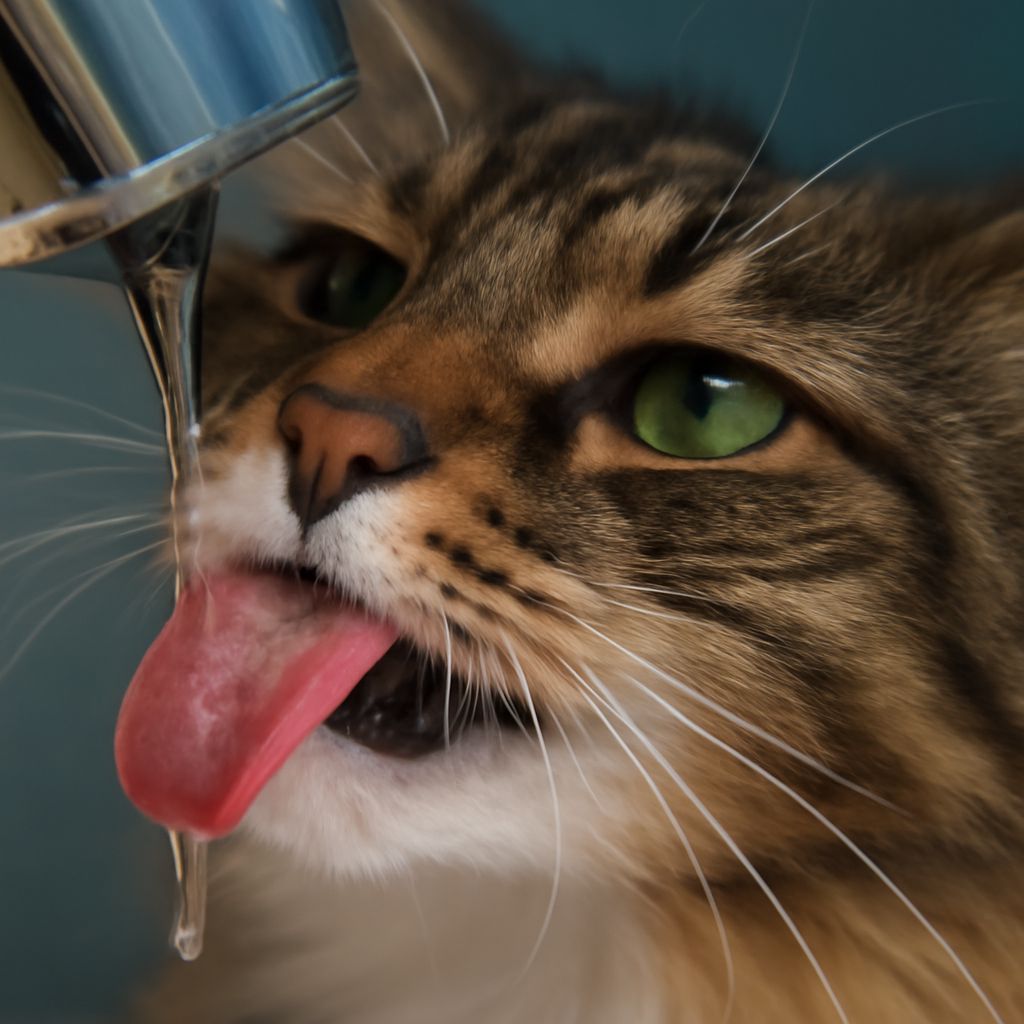
Moving water appeals to many cats, possibly because flowing water is associated with fresh sources in their evolutionary past. A pet water fountain provides constant circulation and filtration, which many cats find more appealing than standing water. Fountains with ceramic or stainless steel bowls are easier to keep clean than plastic ones.
Multiple Water Stations
Placing water bowls in multiple locations around the home increases the chances your cat drinks opportunistically throughout the day. A bowl in the bedroom, one in the living area, and one in a quieter corner all offer different drinking moments. Some cats have strong location preferences and refuse to drink in spots that feel exposed or too busy.
Adding Moisture to Food
Adding a small amount of warm water or low-sodium broth to dry food or canned food is an easy way to boost fluid intake without requiring your cat to drink more from a bowl. Many cats accept this without complaint, especially if the broth adds a desirable smell.
Next Steps
If your cat has been drinking noticeably less for more than 48 hours, or if reduced drinking comes alongside appetite changes, weight loss, or lethargy, contact your vet. Kidney disease, diabetes, and urinary tract issues all affect drinking behavior. A simple blood panel and urinalysis can identify most underlying causes quickly. At home, try moving the water bowl away from food, switching to a wide ceramic or stainless bowl, and introducing wet food before investing in a fountain.