Cat Litter Box Enclosure: How to Hide Your Litter Box in Style
The litter box is a necessity, but that doesn’t mean it has to be an eyesore sitting in the middle of your living space. A cat litter box enclosure lets you keep your home looking put together while still giving your cat a private, accessible spot to do her business. If you’ve been tolerating an uncovered box in plain sight, there’s a better option.
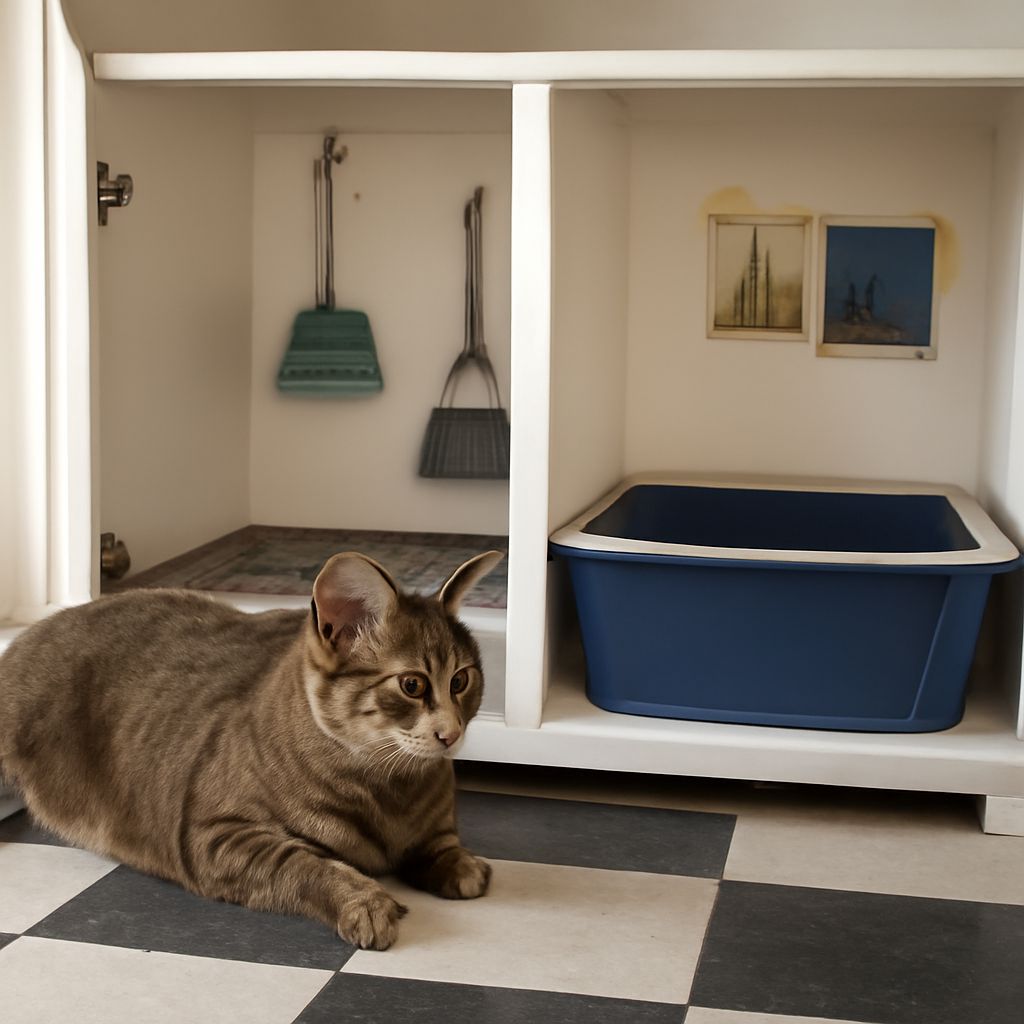
Cat litter furniture has come a long way from a simple cardboard box with a hole cut out. Today’s designs range from standalone cat box enclosure units to cat furniture litter box combos that double as side tables, benches, or storage cabinets. The right cat litter house for your home depends on your space, your cat’s size, and your decorating preferences. Here’s what to know before you buy.
Why Use a Litter Box Enclosure
Beyond aesthetics, enclosures offer real practical benefits. Covered designs dramatically reduce litter scatter, keeping the floor around the box cleaner. They also contain odors more effectively than open boxes, especially when combined with good ventilation or a carbon filter. Cats that prefer privacy, which is most of them, often take to an enclosed box readily. The enclosed space also reduces the chance of other pets disturbing your cat during use.
Types of Cat Litter Furniture
The most common style is a wooden cabinet with a small entry hole on the side and a hinged or removable top or front for easy cleaning access. These look like furniture because they are furniture, and many are designed to accommodate a standard-sized litter tray or self-cleaning unit inside. Bench styles work well in hallways or under windows. Side table styles fit naturally in bedrooms or living rooms, providing a surface for a lamp or small plant while hiding the box below.
Wicker and woven designs are lighter and often less expensive, though they’re harder to wipe clean inside. Plastic enclosures are more hygienic and easier to maintain but less visually seamless. If your cat is on the larger end, measure carefully before buying, since many enclosures designed for aesthetics sacrifice interior space. A box that’s too small will be ignored.
Key Features to Look For
Good ventilation matters. Without airflow, odors concentrate inside the cabinet and make the environment unpleasant for your cat. Look for designs with ventilation gaps, a built-in filter slot, or an optional carbon filter attachment. Cleaning access is equally important. A top-opening cabinet lets you scoop from above without moving the furniture. A front-opening design is convenient but requires a bit more clearance.
Interior dimensions should accommodate your specific litter tray with room for your cat to turn around comfortably. Most adult cats need at least 18 by 24 inches of floor space inside, and larger cats need more. Check the entry hole size too, since holes that are too small or positioned awkwardly discourage use.
Entry Placement and Cat Preference
Entry holes on the side give cats more visual privacy during use, which many cats prefer. Top-entry designs work well for cats that scatter a lot of litter, since the cat has to hop out rather than stepping through a low opening. However, older cats, kittens, and cats with joint issues don’t do well with top-entry designs. Match the entry style to your individual cat’s mobility and temperament.
Placement in Your Home
Even a beautifully designed cat litter house needs a good location to be consistently used. Cats prefer quiet spots away from food and water bowls, with at least one unobstructed escape route visible. Avoid high-traffic areas where your cat might feel interrupted or startled. A corner placement with visibility in multiple directions works well for most cats.
Transition Tips
If your cat has been using an uncovered box, move her existing litter into the new enclosure during the transition. Leave the door or front panel off or propped open for the first few days so she can explore freely before the entry is closed. Most cats adapt within a week. If she refuses it after two weeks, try a different entry position or remove any added features like a swinging door that might be deterring her.
Cleaning and Maintenance
Scoop daily regardless of the enclosure type. Wooden interiors should be wiped with an enzyme-based cleaner rather than bleach, since wood absorbs odors and bleach can be harsh on finishes. Replace carbon filters monthly if your design includes one. Wash the litter tray itself every few weeks, and allow it to dry completely before adding fresh litter.