Why Do Cucumbers Scare Cats? The Real Explanation Behind the Reaction
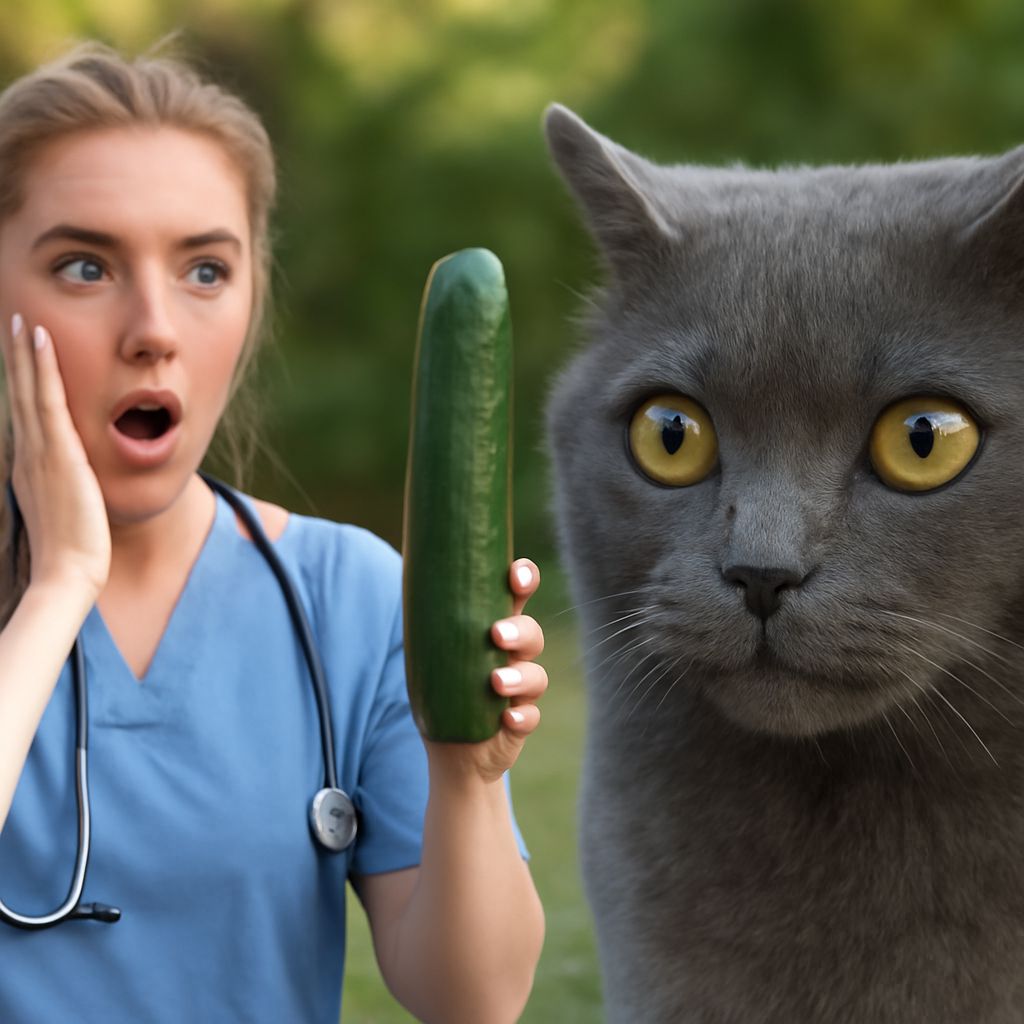
You’ve probably seen the videos: a cat turns around from her food bowl, spots a cucumber placed behind her, and launches into the air in a full panic. You wonder why do cucumbers scare cats so dramatically and whether there’s something genuinely threatening about the vegetable. The answer is more about instinct than anything special about cucumbers specifically.
Understanding why cats are afraid of cucumbers comes down to how cats process unexpected objects in their environment. Why are cats afraid of cucumber? Mostly because it appeared silently while they were distracted, not because it’s a cucumber. That said, why do cats fear cucumbers is a question worth exploring fully, because it reveals a lot about feline stress physiology. And yes, why are cats so afraid of cucumbers is a reasonable question, but the more important one is whether recreating this reaction at home is actually a good idea for your cat.
The Startle Response and Perceived Threat
How Cats React to Sudden Objects
Cats are both predator and prey animals, which means their nervous systems are wired for rapid threat assessment. When an object appears in their peripheral field that wasn’t there before, especially while they were facing away and focused on something else, the brain’s default response is to treat it as a potential threat until proven otherwise.
The startle jump is a reflexive, hardwired response designed to create immediate distance from a possible predator. It happens before conscious evaluation occurs. A cat that jumps away from a cucumber isn’t making a rational assessment; she’s responding to an unexpected presence in a space she considered safe and familiar.
The Snake Hypothesis
One popular theory is that cucumbers trigger a fear response linked to snakes. The elongated, greenish shape does bear a passing resemblance to a resting snake, and cats have evolved alongside snake predators. Some animal behaviorists suggest this visual similarity might activate a hardwired avoidance response. This hasn’t been formally tested in controlled studies, but it’s a plausible contribution to the reaction.
Why Recreating This at Home Is a Problem
The videos are funny to watch, but deliberately startling your cat by placing cucumbers, or anything else, behind her while she eats creates real stress. The feeding area is supposed to be one of a cat’s most secure locations. Introducing fear there can cause the cat to associate eating with anxiety, potentially leading to food aversion or reluctance to use the feeding area at all.
Repeated startle events also contribute to chronic stress in cats. Chronically stressed cats are more prone to urinary tract problems, behavioral issues like aggression or overgrooming, and reduced immune function. The short-lived entertainment isn’t worth the potential toll on your cat’s sense of safety.
What This Tells Us About Cat Stress
The cucumber reaction is a visible demonstration of how sensitive cats are to their environment. Cats that feel safe and in control of their space are calmer, healthier, and more socially engaged. Any unpredictable change, whether it’s a cucumber, a rearranged piece of furniture, or a new smell, can register as a potential threat.
Understanding this helps you create a living environment that works with your cat’s instincts rather than against them. Predictable routines, consistent feeding areas, and calm introductions to anything new go a long way toward keeping a cat relaxed and secure.
Next Steps
If you’ve already tried the cucumber experiment and noticed your cat became more skittish or avoidant afterward, give her a few days of calm, consistent routine to reestablish comfort. Provide elevated safe spots, multiple escape routes in the room, and undisturbed feeding time. If your cat shows persistent signs of anxiety, like hiding, reduced appetite, or overgrooming, a conversation with your vet about feline stress management is a good next step.