Cat Vomit White Foam: What It Means and When to Worry
You come downstairs in the morning and find a puddle of white frothy liquid on the floor. Your cat is nearby looking unfazed. Cat vomit white foam is one of the more common things cat owners encounter, but it still raises questions about whether something is seriously wrong or just a minor stomach upset.
If you’ve seen your cat vomiting foam, you’re probably wondering what’s behind it. Foamy cat vomit has a few distinct causes, ranging from an empty stomach to hairballs to more significant conditions. When a cat threw up foam once, it’s often nothing to rush about. But if your cat is throwing up foam regularly, patterns matter and a vet conversation is the right move.
What Causes White Foamy Vomit in Cats
The foam itself is simply a mixture of saliva, mucus, and swallowed air that gets churned up in the stomach or esophagus. White frothy material usually means there’s little to no food content involved, which gives you some clues about the cause.
An empty stomach is one of the most common triggers. When cats go several hours without eating, stomach acid and bile can accumulate and irritate the stomach lining, prompting vomiting. This type of foam vomit typically happens in the early morning before the first meal. Feeding a small meal before bed often resolves it.
Hairballs and Foam
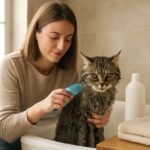
Hairballs in the early stages sometimes produce white or clear foam before the hair mass comes up. A cat that retches and produces foam several times before finally bringing up a hairball is experiencing normal, if unpleasant, hairball passage. If your cat produces foam repeatedly over several days without ever bringing up a hairball, the hair may be lodged somewhere it shouldn’t be.
When Foamy Vomit Points to Something More Serious
A cat that brings up foamy material more than a couple of times a week, or that has other symptoms alongside the vomiting, needs veterinary attention. Conditions that can cause repeated foamy vomiting include inflammatory bowel disease, hyperthyroidism, kidney disease, pancreatitis, and intestinal obstruction.
Watch for these accompanying signs that raise concern: weight loss without a change in diet, lethargy or reduced activity, changes in litter box habits, blood in the vomit or stool, or visible distension of the abdomen. Any of these paired with frequent foam vomiting means a vet visit should happen soon rather than later.
Dietary and Environmental Triggers
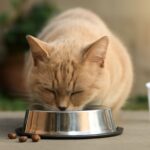
Eating too fast is a surprisingly common cause of foamy vomiting. Cats that bolt their food swallow air and food together, which the stomach then rejects. Puzzle feeders or portioning meals into smaller amounts across more feedings often solves this problem. A sudden change in food type or brand can also upset the stomach enough to produce foam.
How Often Is Too Often
Once or twice a month may be on the high side of normal for some cats, particularly those prone to hairballs. Vomiting foam more than once a week is outside the normal range and warrants investigation. Any vomiting that is daily or multiple times a day is a clear signal that something needs attention.
What to Do at Home
If your cat vomited foam once and is acting completely normal, eating, drinking, and using the litter box as usual, you can observe for 24 hours. Withhold food for two to four hours, then offer a small meal. If the vomiting stops and your cat returns to normal, no further action may be needed.
Do not give over-the-counter human antacids or stomach medications to your cat without veterinary guidance. Some human medications are toxic to cats. If you’re unsure, call your vet’s office for guidance before trying anything at home.
Key Takeaways
White foamy vomit in cats is often caused by an empty stomach, hairballs, or eating too quickly, and occasional instances are usually not cause for alarm. When foamy vomiting becomes frequent, is accompanied by other symptoms, or doesn’t resolve with simple dietary adjustments, a veterinary exam is the right next step. Tracking frequency and noting any pattern, such as time of day or relation to meals, gives your vet the most useful information.