
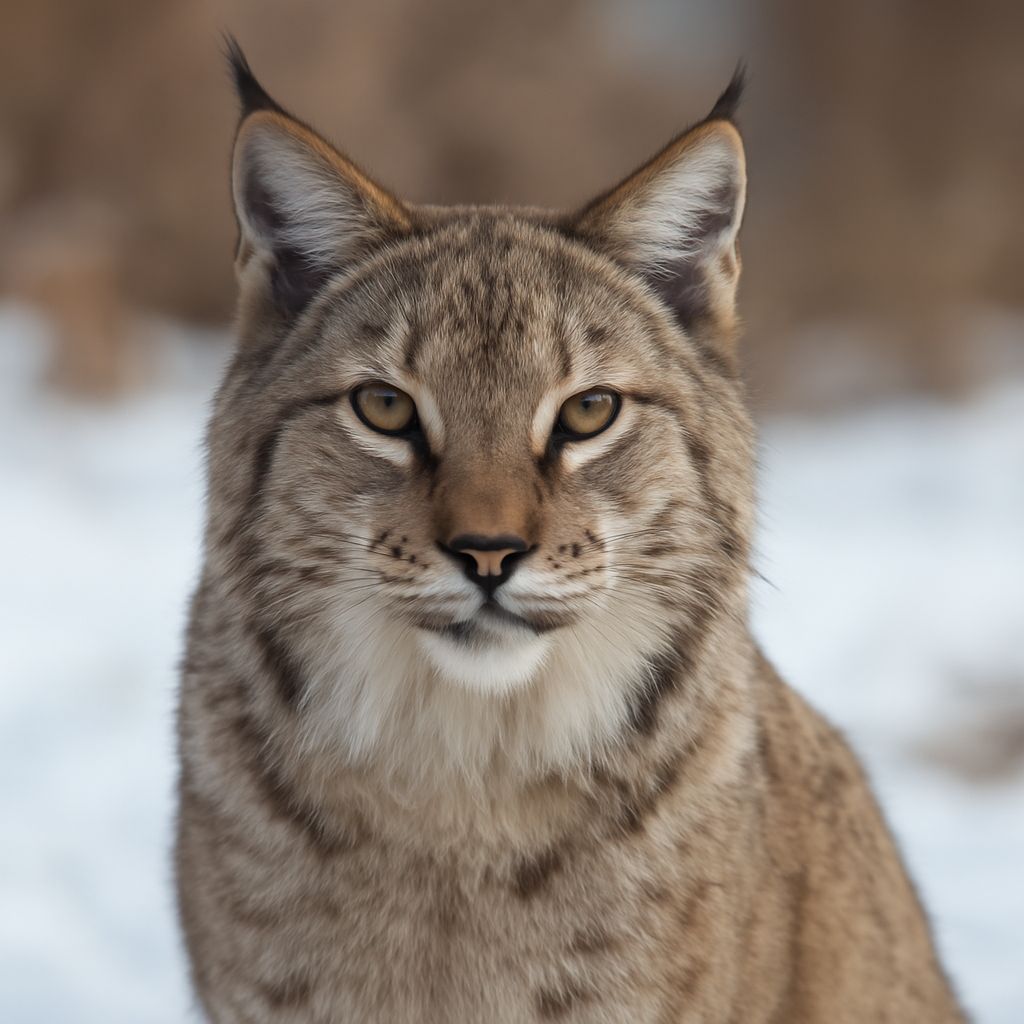
big cat breeds wild: A Look at the World’s Most Impressive Large Wild Cats
You’re watching a nature documentary and a leopard slides through dense forest, effortless and silent. Or maybe you’ve just visited a zoo and stood face to face with a lion for the first time, struck by the sheer scale of the animal. If you’ve found yourself wanting to know more about big cat breeds wild, you’re in good company — wild felids have fascinated people throughout recorded history.
The term “big cat” is used casually, but in biology it has a more specific meaning. Large wild cat breeds in the strict sense include the four species of the genus Panthera that can roar: lions, tigers, leopards, and jaguars. Cougars and cheetahs are large, but classified separately. For anyone who’s searched for pictures of wild cats online and found the variety overwhelming, this guide covers the most notable big wild cat breeds — from the familiar to the rarely seen. The full diversity of large cat species across the world’s continents is remarkable.
The Roaring Four: Panthera’s Largest Members
Lions
Lions are the only big cats that live in structured social groups, called prides. Males carry the iconic mane — denser and darker manes are associated with better health and higher testosterone. Female lions do most of the hunting, working together to take prey much larger than themselves. Wild lion populations are now restricted almost entirely to sub-Saharan Africa, with a small population in India’s Gir Forest.
Tigers
Tigers are the largest wild cats alive today. A Siberian (Amur) tiger can weigh over 650 pounds. Unlike lions, tigers are solitary and primarily nocturnal. Their striped coats are unique — no two tigers have identical stripe patterns. Six subspecies exist, though several others have gone extinct in the past century. Wild tigers are found across parts of Asia, from India to the Russian Far East.
Leopards
Leopards are the most adaptable of the large wild cats. They live across sub-Saharan Africa and large parts of Asia, in habitats ranging from rainforest to semi-arid savanna. They’re powerful enough to haul prey heavier than themselves up into trees to keep it away from lions and hyenas. The black panther is not a separate species — it’s a melanistic leopard, carrying a gene that produces excess dark pigment.
Jaguars
Jaguars are the largest wild cats in the Americas and the third-largest in the world. Their range runs from the southwestern United States through Central and South America, though they’ve been eliminated from much of their historical territory. Jaguars are stockier than leopards and have larger, more complex rosette markings. Like leopards, they also produce melanistic individuals — black jaguars.
Other Notable Large Wild Cat Species
The cougar — also called the mountain lion or puma — has the widest natural range of any large wild cat in the Western Hemisphere, from Canada to Patagonia. Despite its size, it isn’t part of the Panthera genus and cannot roar. The snow leopard inhabits the high mountain ranges of Central Asia and is one of the least-studied large felids because of its remote habitat. Cheetahs are the fastest land animals on Earth, capable of speeds up to 70 mph in short bursts, but they’re built for speed at the expense of power — they can’t defend kills from lions or hyenas.
Bottom Line
Wild large cat species are varied, from the cooperative lions of the African savanna to the solitary snow leopard of the Himalayas. Each species occupies a specific ecological niche shaped by its environment and prey base. Conservation pressure affects nearly all of them — habitat loss and human conflict remain the primary threats across every continent where large wild cats live.