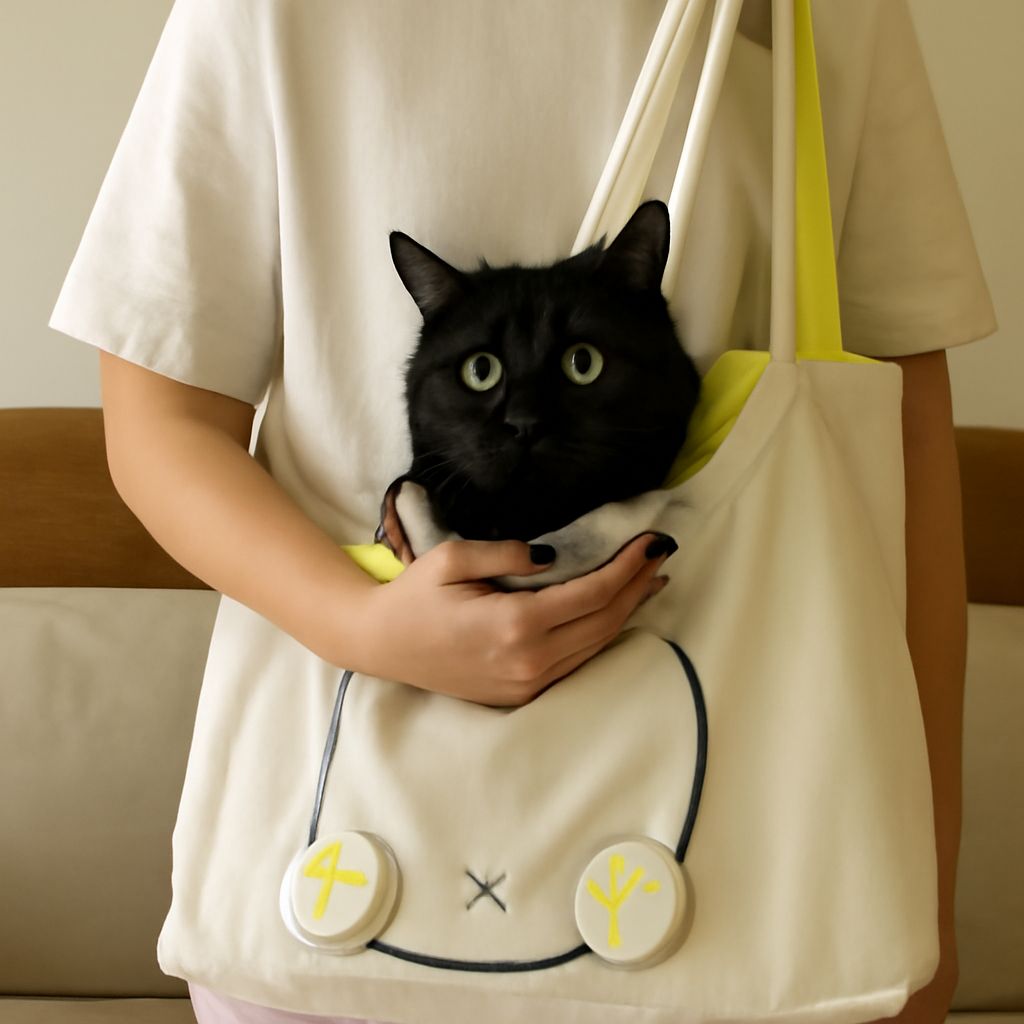
cat carrier backpack: How to Pick the Best Pack for Traveling with Your Cat
You’ve got a vet appointment across town, a weekend hiking trip planned, or just a cat who refuses to be left behind. Whatever the situation, you’ve realized that a standard hard-sided carrier is awkward to haul through crowds. A cat carrier backpack keeps your hands free and your cat close — and the options have gotten remarkably good in recent years.
Maybe you’ve seen someone walking through a park with a cat peering out of a bubble window and thought “I need that.” That’s the cat bubble backpack style, and it’s just one design in a wide field. There’s the best cat backpack for long hikes, the cat space backpack with full bubble panels that let curious cats watch the world go by, and the compact space cat backpack built for short urban trips. Here’s how to figure out which one fits your cat — and your lifestyle.
Key Features to Look for in a Cat Backpack Carrier
Ventilation and Airflow
A cat inside a sealed backpack can overheat fast. Good ventilation means mesh panels on multiple sides, not just a single small window. Bubble-style carriers need additional mesh vents cut into the sides or top — the bubble itself does not allow air exchange. Check the square inches of mesh before buying, especially for warmer climates.
Interior Size and Weight Limits
Most cat backpacks accommodate cats up to 15–18 pounds, but the interior dimensions vary widely. A cat needs enough room to turn around and sit upright. Measure your cat from nose to tail base and from floor to top of head while seated. Add a couple of inches to each measurement and compare to the product specs.
Entry Points
Top-loading carriers let you lower a reluctant cat straight down — useful for cats who back away from front openings. Front-loading designs work better for cats who walk in on their own. Some packs offer both, which is the most flexible option when you don’t know exactly how your cat will react.
Stability on Your Back
A poorly balanced backpack becomes a chore on longer walks. Look for padded shoulder straps, a sternum strap to distribute weight, and a waist belt on packs designed for hiking. The carrier should sit high on your back without sagging, which reduces fatigue and keeps your cat more stable.
The Bubble Window: Style vs. Function
The bubble window is the feature that gets the most attention online, and for good reason — it looks fantastic. Cats who are curious and bold often love watching the world through a full spherical bubble. Anxious cats may find the full 360-degree view overwhelming and prefer a mesh side panel where they can smell familiar scents without full visual exposure.
Bubble material also varies. Acrylic scratches easily; polycarbonate is more durable. Some bubbles detach or fold away entirely, which is useful when your cat needs shade or a darker, more den-like environment. A detachable bubble gives you the best of both options.
Cleaning and Long-Term Care
Cat carriers need regular cleaning. Look for removable, machine-washable liners. The outer shell should wipe down easily with a damp cloth and mild soap. Avoid carriers with deep crevices where fur and debris can accumulate. A well-maintained pack lasts years; a neglected one starts to smell fast and can harbor bacteria that affect your cat’s health.
Safety Recap
Always attach your cat’s harness to the interior leash clip before opening any zipper in a public space. Check all zippers and closures before each use — a worn zipper can fail unexpectedly. Never leave your cat unattended inside a backpack in a hot car or direct sun, even briefly.