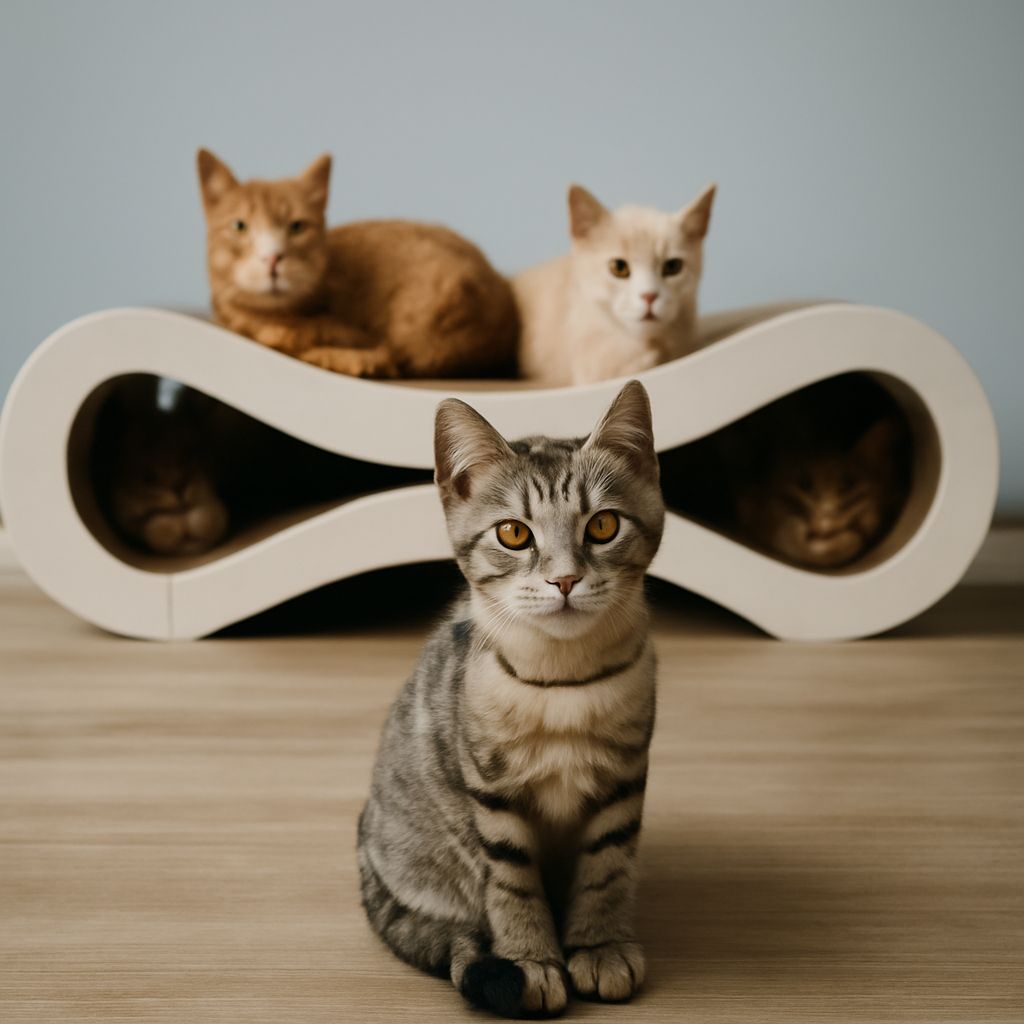
cats cafe experience: what to expect at a cat lounge or coffee shop
You have heard about it, maybe seen photos online, and now you are curious: what is a cats cafe actually like? You walk in, order a drink, and spend an hour surrounded by cats who may or may not decide you are worth their attention. It is one of the more genuinely enjoyable novelty experiences available in most mid-size cities, and it has grown from a niche concept imported from Japan into a legitimate local business category across North America and Europe.
A cat lounge typically combines a coffee shop or tea bar with a separate resident cat area. A cat coffee shop usually has a fee to enter the cat space, separate from whatever you order to drink. A cafe cat environment is designed for the comfort of the animals first and visitors second, which is why the rules tend to be strict about how guests interact with the cats. And the broader category, cat restaurant included, spans everything from quiet two-room setups to large installations with dozens of resident animals.
How Cat Cafes Work
The Typical Format
Most cat cafes charge a per-hour entry fee to the cat area, usually between ten and twenty dollars, on top of any food or drink purchases. You book a time slot in advance through their website, as walk-ins are often unavailable due to the capacity limits set to protect the cats from overcrowding. Groups are typically capped at a certain size.
The cats are residents, not temporary guests. They live at the cafe full-time in a managed environment with veterinary care, enrichment, and socialization. Many cat cafe residents are adoptable. Taking a cat home is encouraged and is part of the business model for cafes that partner with rescue organizations.
Rules That Protect the Cats
Do not pick up cats that do not approach you. Do not chase, corner, or wake sleeping cats. Children must be supervised at all times. No flash photography in some locations. Follow staff guidance immediately if they redirect you.
These rules exist because the cats need to feel safe in their own space to remain socialized and healthy. A cat lounge that enforces its rules well will have cats that are visibly relaxed and willing to approach guests, which makes the experience far better for everyone involved.
What Makes a Good Cat Cafe
The quality of a cat cafe experience correlates directly with how well the cats are cared for. Watch for cats that look healthy, are well-groomed, and demonstrate a mix of active, relaxed, and curious behaviors. Unhealthy or chronically stressed cats will hide exclusively, show matted coats, or display signs of upper respiratory infection. A well-run cat coffee shop has the kind of atmosphere where cats voluntarily approach people.
Staff engagement matters too. Knowledgeable staff who talk about individual cat personalities, histories, and adoption availability add real value to the visit. They can direct you toward cats likely to interact with you rather than leaving you to wander hoping for attention.
Menu quality at the cafe portion is a bonus, not the main event. That said, some notable cat cafes have developed genuinely good food programs that would stand on their own without the cats. Checking reviews for both aspects gives you a more complete picture before booking.
Finding a Cat Cafe Near You
Search by city using Google Maps with terms like “cat cafe” or “cat lounge near me.” The Cat Cafe Guide website maintains a directory of verified locations. Read recent reviews specifically noting whether the cat interaction was good on the day of the visit, as this varies based on how the cats are feeling.
If no cat cafe exists near you, check whether any local shelters or rescues run cat lounges as fundraising spaces. These are often open on weekends and operate on the same model without a full food service component.