cat throwing up bile: causes and what to do at home
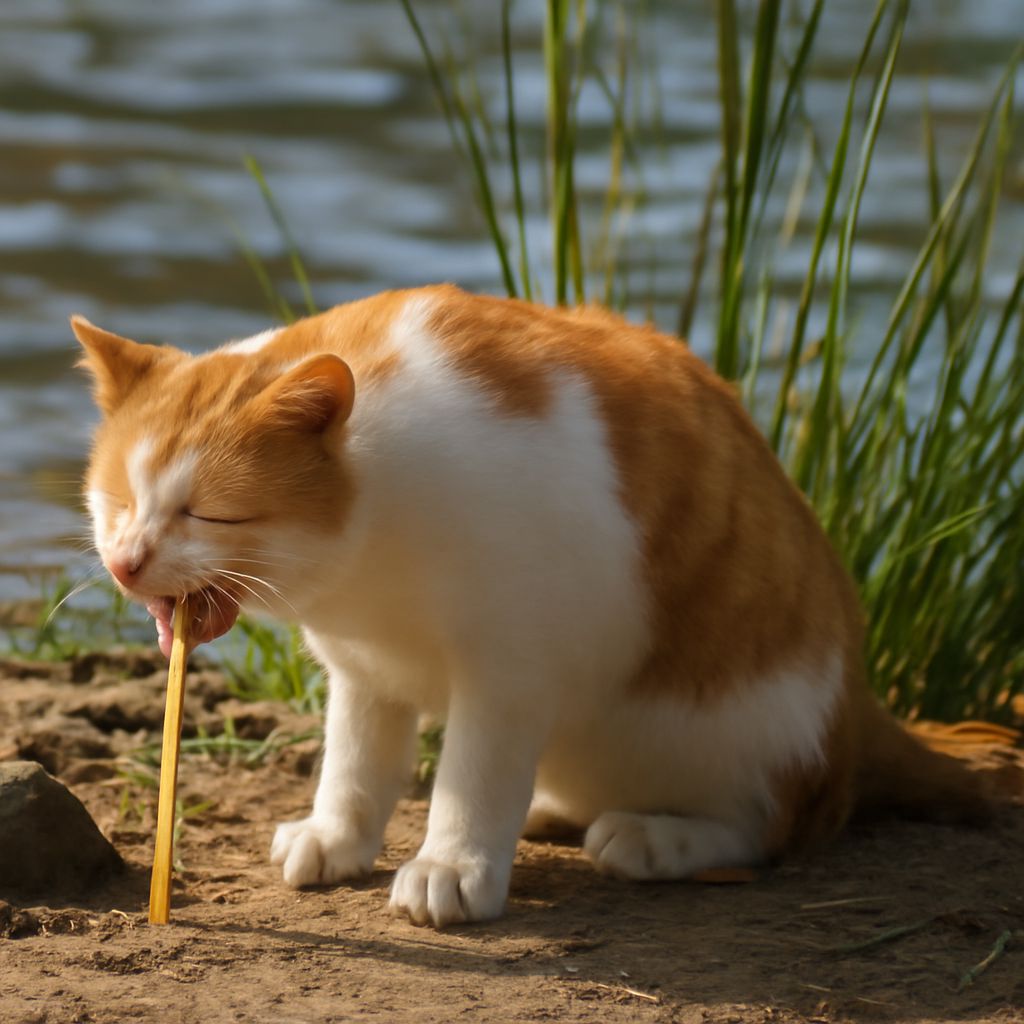
You walk into the kitchen and find a small puddle of yellowish liquid on the floor. No food in it, just that distinctive color that stops you cold. Cat throwing up bile is one of the more common vomiting scenarios cat owners deal with, and it tends to happen in the early morning before the first meal. Yellow cat vomit is essentially stomach acid mixed with digestive fluid that backed up into the stomach when it was empty.
The situation can be harmless or a sign of something that needs attention. Cat yellow vomit brought up occasionally is often just an empty-stomach issue. But cat vomit yellow in color happening daily or multiple times a week is worth a vet conversation. Why is my cat throwing up bile is a question that has several answers, and sorting them out depends on frequency and what else you observe.
Why Cats Vomit Bile
Bile is produced by the liver and stored in the gallbladder. It gets released into the small intestine to help digest food. When a cat’s stomach is empty for too long, the digestive system can push bile backward into the stomach, irritating the lining. That irritation triggers vomiting. The result is that yellow-green fluid with little or no food content.
Cats that eat one large meal a day or go many hours between meals are more prone to this than cats fed smaller, more frequent portions. Leaving a gap of more than 12 hours between meals, especially overnight, sets up the conditions for bile buildup. This is sometimes called bilious vomiting syndrome and it often resolves by simply adjusting feeding timing.
Other causes include inflammatory bowel disease, liver or gallbladder issues, intestinal obstruction, and chronic kidney disease. If the bile vomiting is accompanied by weight loss, changes in appetite, or lethargy, these other possibilities move up the list.
Immediate Steps and Home Management
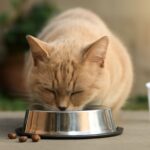
If your cat is vomiting yellow liquid occasionally and otherwise acting normally, start by splitting the daily food into smaller, more frequent portions. Adding a small snack before bed can reduce the overnight fast and cut down on morning bile episodes significantly. Many owners find this single change makes a noticeable difference within a few days.
Make sure your cat has access to fresh water at all times. Dehydration can make digestive upset worse. A water fountain often encourages cats to drink more than a static bowl.
Do not give human antacids or other medications without vet guidance. Some human medications are toxic to cats.
When to Call the Vet
Vomiting bile more than once or twice a week consistently, vomiting that contains blood, or yellow vomiting paired with lethargy or appetite loss all warrant a vet visit. A cat that vomits and then seems perfectly fine is different from a cat that is also hiding, not eating, or losing weight.
Your vet may recommend blood work to check liver and kidney values, an ultrasound to look at abdominal organs, or a dietary trial to rule out food sensitivities. Catching an underlying issue early usually means simpler treatment.