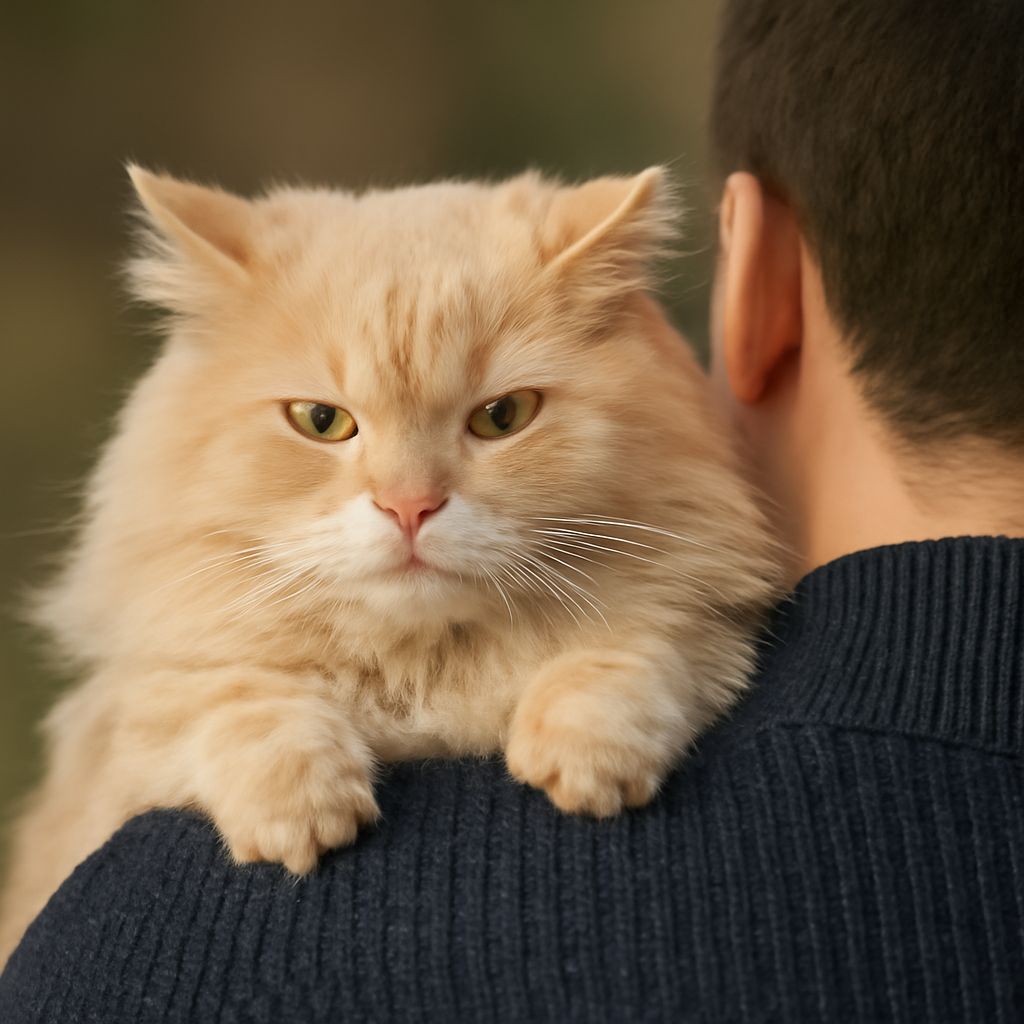
cat noises and what they mean: Sounds and Post-Poop Sprints
Your cat finishes using the litter box and suddenly sprints out of the room like something is chasing them. Or they walk across the room making a sound you’ve never heard before and you find yourself searching cat noises and what they mean hoping for a translation. You’re not alone in being puzzled by both of these things. Cat vocalizations and post-bathroom behavior are more connected than they look.
Understanding why do cats run after they poop and what makes a vocal cat tick are two separate questions, but they both come back to the same thing: cats communicate in ways that are easy to miss if you don’t know what to look for. The cat meows meaning changes based on context, pitch, and frequency. And why do cats run after pooping is something most cat owners eventually wonder about. Both are worth unpacking.
cat noises and what they mean
The Standard Meow
Adult cats almost never meow at other cats. That behavior is reserved almost entirely for communication with humans. Cat meows meaning shifts with context. A short rising meow is typically a greeting or a request. A longer, more drawn-out meow with lower pitch is often a complaint or demand. Repetitive meowing at the food bowl right before feeding time is straightforward hunger signaling.
Chirping and Chattering
The rapid chattering sound a cat makes while watching a bird through a window is a mix of excitement and frustration. Some researchers think it mimics the sounds prey makes, though the exact function is debated. A vocal cat that chatters a lot is usually a highly stimulus-reactive cat with strong prey drive. It’s not concerning, just a personality trait.
Trilling
Trilling is a rolling sound that falls somewhere between a meow and a purr. Mother cats use it to call their kittens. Adult cats often use it as a greeting when they approach someone they like. If your cat trills when they see you, that’s a positive social signal.
Growling and Hissing
These sounds are unambiguous warnings. A hissing cat is telling you or another animal to back off. A growl signals sustained discomfort or fear. Recognizing these sounds as communication rather than aggression helps you respond correctly: give the cat space rather than trying to reassure through touch, which often escalates the situation.
Why Cats Run After They Poop
The post-poop sprint is one of the more entertaining and puzzling things cats do. Several explanations have been proposed, and more than one may apply depending on the cat.
The most widely cited reason involves the vagus nerve. Defecation stimulates this nerve, which runs from the brain through the abdomen. In some cats, this stimulation produces a brief adrenaline-like surge that manifests as the zoomies. This is essentially why do cats run after they poop in most healthy cats: it’s a physiological response, not a behavior problem.
Another angle is instinctive predator avoidance. In the wild, defecating is a vulnerable moment because of the smell it produces. Running from the area immediately after is an instinct that reduces the chance of attracting predators to the location. Your indoor cat doesn’t need to worry about predators, but the instinct persists.
If the sprint is accompanied by signs of discomfort during defecation, straining, crying out, blood in the stool, or unusual litter box posture, the reason for why do cats run after pooping shifts from normal to medical. Constipation, anal gland problems, or colitis can all cause discomfort that the cat associates with the litter box, leading to rapid exit. A vet check is appropriate if discomfort signs are present alongside the post-poop zoomies.
Key Takeaways
Cat noises and what they mean depends heavily on context, frequency, and combination with body language. The post-poop sprint is normal in most cats and traces to nerve stimulation or residual prey-avoidance instinct. Watch for signs of discomfort during bathroom use, since those change the interpretation entirely.