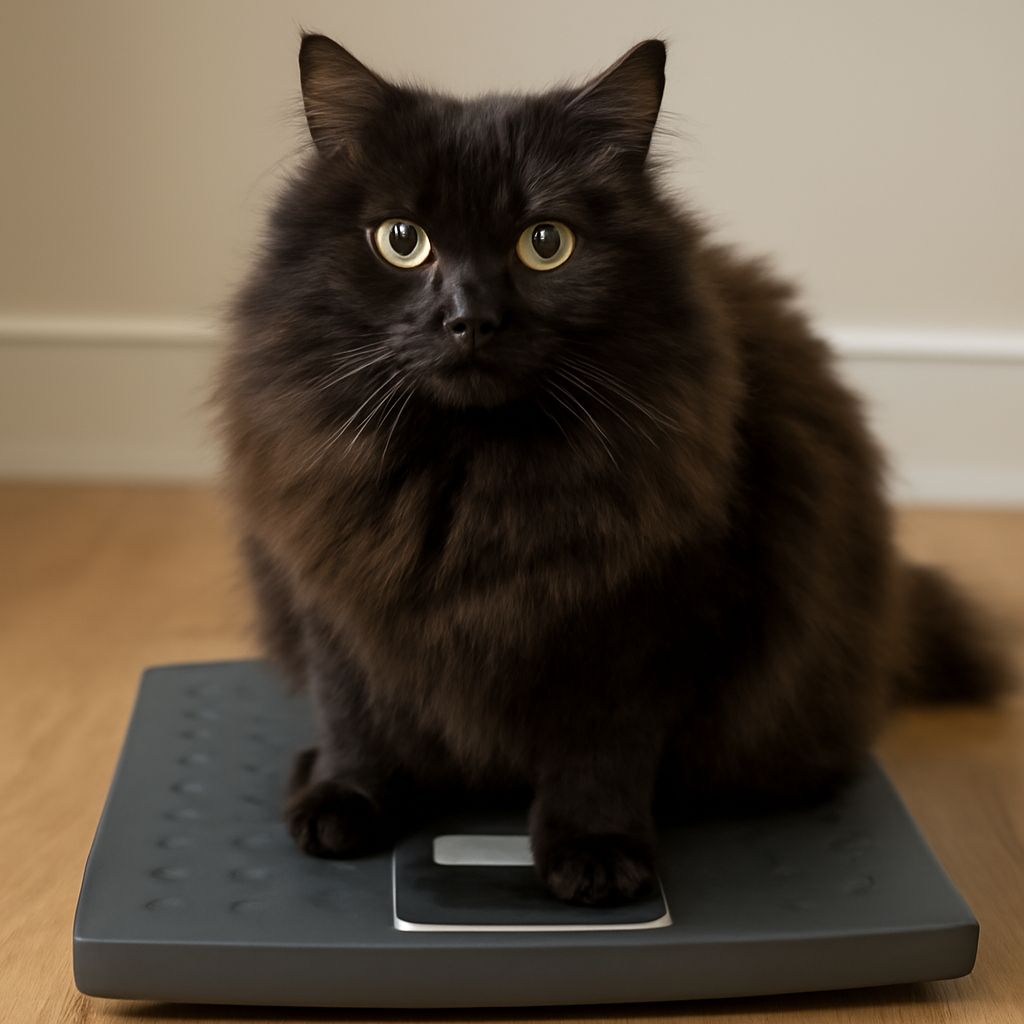
cat weight loss: Why It Happens and What to Do
You pick up your cat and notice they feel lighter than usual. Maybe you can feel the spine more prominently than before, or the body feels bonier around the hips. Cat weight loss doesn’t always come with obvious signs of illness, which makes it easy to miss until it’s significant. If you’re asking why is my cat losing weight without a clear explanation, this guide walks through the main causes and what each one means for your next steps.
My cat is losing weight can be the first sign of something happening internally that hasn’t produced any other visible symptoms yet. Sometimes the answer is straightforward: a change in diet, increased activity, or stress from a new pet. Other times, a cat lost weight because of an underlying medical condition that needs treatment. And if your cat is losing weight fast, the urgency to find the cause increases significantly.
Common Medical Causes of Weight Loss in Cats
Hyperthyroidism
This is the most common reason for unexplained weight loss in cats over 10 years old. The thyroid gland produces too much hormone, which revs the metabolism to an unsustainable rate. Affected cats often eat more than usual but still lose body condition. Other signs include increased thirst, urination, and sometimes hyperactivity or vocalization. A simple blood test confirms the diagnosis. Treatment options include daily medication, a prescription diet, radioactive iodine therapy, or surgery, all of which are effective.
Chronic Kidney Disease
Another common condition in senior cats, kidney disease causes weight loss as the kidneys lose their ability to filter waste efficiently. Toxins build up and reduce appetite. Cats with CKD often drink more water and urinate more frequently. Early detection through regular blood and urine screening gives the best management outcomes. Prescription diets, hydration support, and medications help slow progression.
Diabetes
Diabetic cats often lose weight despite eating well because the body can’t use glucose effectively without adequate insulin. Increased thirst and urination are hallmark signs. Diabetes is manageable with insulin therapy and dietary changes, but it requires commitment to a consistent feeding schedule and regular glucose monitoring.
Dental Disease
Mouth pain is an underappreciated reason for cat weight loss. A cat with painful teeth or gum disease eats less, or stops eating hard food entirely. Check for dropping food, pawing at the mouth, bad breath, or reluctance to eat. A dental exam and cleaning often resolves the weight loss once the pain source is addressed.
Behavioral and Environmental Causes
Stress and Anxiety
A move, a new pet, a change in schedule, or even construction noise near the home can suppress appetite in sensitive cats. Stress-driven weight reduction tends to be gradual and often resolves when the stressor is removed or managed. Environmental enrichment, consistent routines, and sometimes pheromone diffusers help anxious cats eat more normally.
Food Changes or Competition
If you switched food brands recently and your cat doesn’t like the new formula, they may be eating less than you realize. In multi-cat households, a more timid cat may be losing weight because a more assertive cat is eating their portion. Feeding stations in separate locations solve this quickly.
When to Act
Any unexplained weight loss of more than 10 percent of body weight is worth a veterinary evaluation. For a 10-pound cat, that’s a 1-pound drop. Weigh your cat monthly using a baby scale or by weighing yourself holding the cat and then alone, then subtracting. Keep a log so you can show the vet a trend rather than a single data point.
Next Steps
Book a vet appointment if the weight loss continues for more than two weeks without an obvious cause. Bring a list of any behavior changes, a note on appetite, and any recent changes to diet or environment. Early diagnosis almost always means simpler treatment and a better outcome than waiting until the weight drop becomes severe.