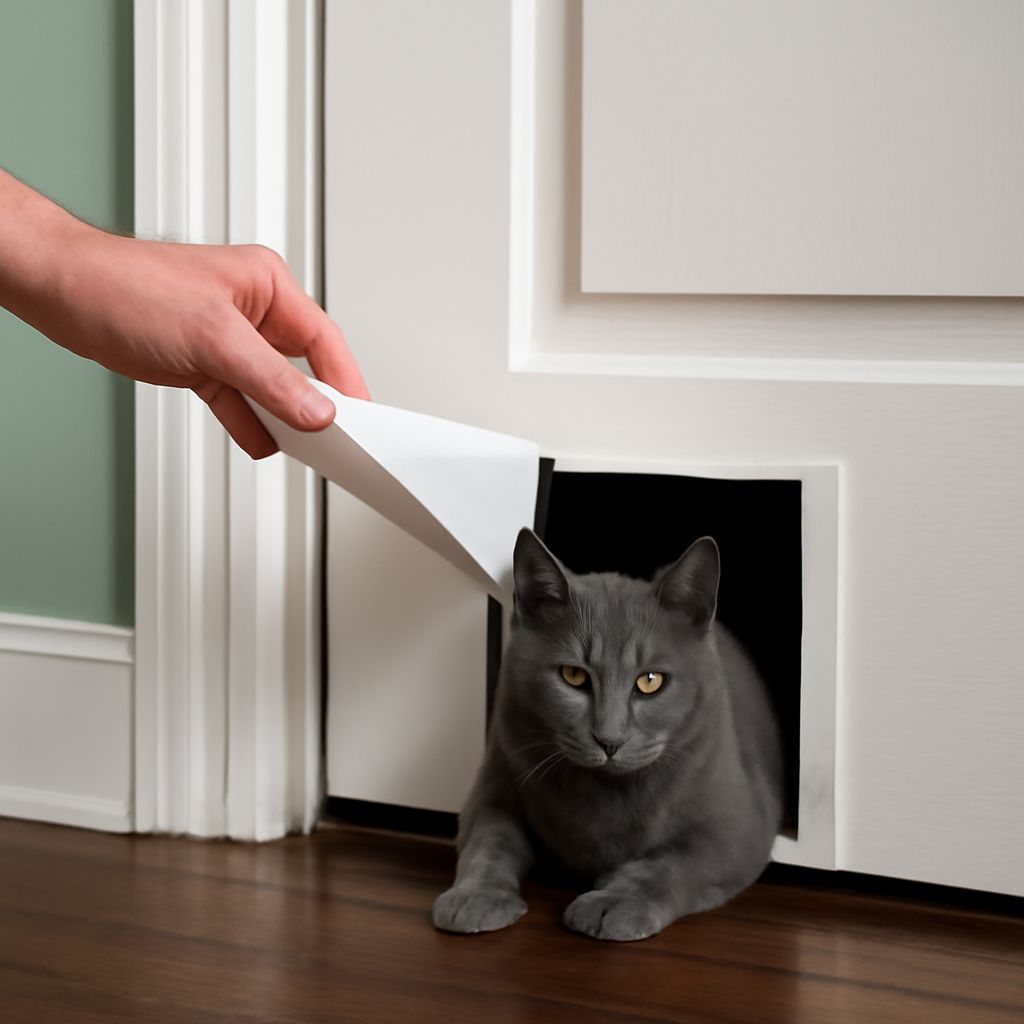
cat door interior: How to Choose and Install the Right One
You’re tired of getting up at midnight to open the bedroom door for your cat, or you need to keep the laundry room accessible to your cat while keeping the dog out. A cat door interior solution handles both problems without remodeling anything. The right interior cat door gives your cat access to specific rooms while keeping others off-limits, and it takes less than an hour to install on most standard doors.
There are more options here than most people expect. A basic cat door for interior door use ranges from simple flap designs to microchip-reading smart doors. Cat doors for interior doors also vary in size, frame material, and mounting method. If you want a cat door indoor option that works with your home’s style, you can find designs that blend in rather than stand out.
What to Look for in a cat door interior
Size
Measure your cat’s chest width and shoulder height before buying anything. The flap opening should be at least an inch wider and taller than your cat’s widest point. If you have a large Maine Coon or similarly built cat, standard small and medium options won’t work. Most manufacturers provide weight and size guides, but the physical measurements matter more than the weight category listed on the box.
Flap Material
Soft vinyl flaps are the most common for interior use. They’re quiet, flexible, and easy for cats to push through without difficulty. Avoid double-flap designs for purely interior applications since the extra resistance discourages use. Magnetic closure flaps seal well to reduce drafts if the door connects to an exterior wall.
Frame and Mounting
Most interior cat door options mount with screws directly through the door panel. The frame sandwiches the door from both sides. Hollow-core interior doors are the most common installation surface and work fine for lighter-duty flap doors. Solid-core doors require a bit more cutting effort but provide a more stable mount. Check whether the door you’re installing in is hollow or solid before you start cutting.
Selective Access Features
If you want only your cat to use the flap, not a smaller dog or child, look for a microchip-activated door. These read your cat’s existing microchip or a collar tag and unlock only for registered pets. They cost more than standard flap doors but are worth it in multi-pet households where one animal is being restricted.
Installing a cat door for interior door Use
Tools and Preparation
You’ll need a drill, a jigsaw or drywall saw, a pencil, and the mounting hardware that comes with the door. Take the door off its hinges to make cutting easier and safer. Trace the template that comes with the interior cat door onto the door at your cat’s shoulder height so they can step through without lifting their paws uncomfortably high.
Cutting the Opening
Drill a starter hole inside the traced outline, then cut along the line with a jigsaw. Work slowly at the corners. Sand the cut edges smooth to remove splinters, especially on hollow-core doors where the internal cardboard filler can shred. Seal the exposed edge with paint or edge tape to prevent moisture damage if the door is in a bathroom or laundry room.
Fitting the Frame
Insert the inner frame piece from one side, then attach the outer frame from the other side using the provided screws. Tighten evenly to prevent the frame from warping. Install the flap according to the manufacturer’s instructions. Reinstall the door and test the flap movement before introducing your cat to it.
Pro Tips Recap
Train your cat to use the new door by propping the flap open for the first few days so they get used to walking through the opening without resistance. Then lower the flap gradually. Use treats on the far side of the door to encourage the first few push-throughs. Most cats adapt within a week.