
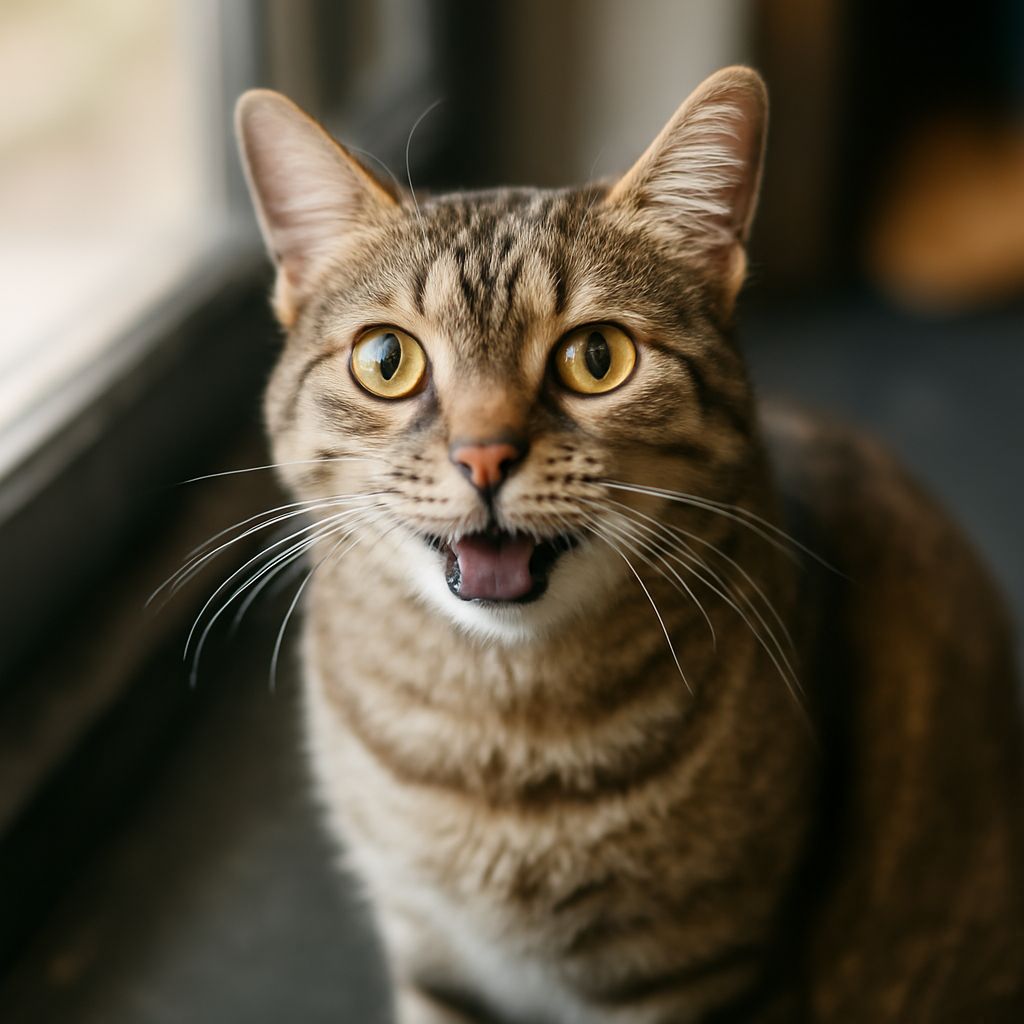
why does my cat meow at night? Causes and What to Do
It’s 2 a.m. and your cat is yowling from the hallway. You’ve already fed them, the litter box is clean, and nothing seems obviously wrong. You find yourself wondering: why does my cat meow at night, and is this something I can actually fix? The short answer is yes, but you need to know what’s driving the behavior first.
A cat cries at night for several distinct reasons, and the fix depends entirely on the cause. If your cat meows all night and this is a new development, something changed either in the environment or in your cat’s health. If cat meowing all night has been a pattern since kittenhood, it may be breed temperament or learned behavior. And if your cat cries all night specifically in older age, cognitive changes are worth considering.
Common Reasons Cats Vocalize at Night
Hunger and Feeding Schedule
This is the most frequent driver of nighttime yowling. Cats that eat their last meal at 5 p.m. are legitimately hungry by 2 a.m. A timed automatic feeder set for midnight or 5 a.m. often solves the problem within a week. Wet food before bed creates a longer satiety window than dry food, which can also reduce the urge to cry for food during the night.
Boredom and Pent-Up Energy
Indoor cats with no stimulation during the day build up energy reserves. Cats are naturally crepuscular, meaning their activity peaks at dawn and dusk. When they haven’t burned that energy, they channel it into nighttime activity and noise. A 15-minute interactive play session before your bedtime is one of the most effective ways to reduce overnight meowing. Use a wand toy that mimics prey movement, then follow up with a small meal to trigger the eat-sleep cycle.
Medical Causes
An older cat that suddenly starts crying at night without an obvious behavioral cause should be seen by a vet. Hyperthyroidism, high blood pressure, kidney disease, and pain from arthritis all present with increased nighttime vocalization. These conditions are treatable, and early detection matters. If your cat is over 10 and the vocalization is new, get a blood panel run before trying behavioral fixes.
Cognitive Dysfunction in Senior Cats
Cats can develop a condition similar to dementia called cognitive dysfunction syndrome. Affected cats often seem disoriented at night, may forget where the litter box is, and vocalize loudly in a way that sounds distressed. The yowling often has a distinctive quality, longer and more monotone than regular meowing. Environmental enrichment, a nightlight near the litter box, and supplements may help. A vet can assess and recommend appropriate management.
Practical Fixes for Nighttime Meowing
Adjusting the Feeding Schedule
Shift the last meal as close to your bedtime as possible. If you use an automatic feeder, program a small portion for 3 to 4 a.m. This removes hunger as a variable without you having to get up. Puzzle feeders set up before bed extend the engagement window and tire the cat out mentally before the quiet hours.
Environmental Enrichment
A window perch with a bird feeder visible from outside gives indoor cats something to watch during the night. Cardboard boxes, paper bags, and new hiding spots introduced regularly reduce the boredom that drives nighttime exploration and noise. Rotating toys matters more than buying expensive new ones.
Ignoring the Behavior Strategically
If your cat has learned that meowing at 3 a.m. gets you to come feed or pet them, any response reinforces the pattern. Ignoring it is hard, but consistency matters. If you respond one out of five times, you’ve taught your cat that persistence eventually works. Ear plugs and a closed bedroom door help you hold the line during the retraining period.
Key Takeaways
Rule out medical causes first, especially if your cat is over 8 and the nighttime crying is new behavior. Then look at feeding schedule, play timing, and environmental stimulation as the behavioral levers. Consistent routines calm most cats within two to three weeks.