do cats cry tears? What Eye Discharge Really Tells You
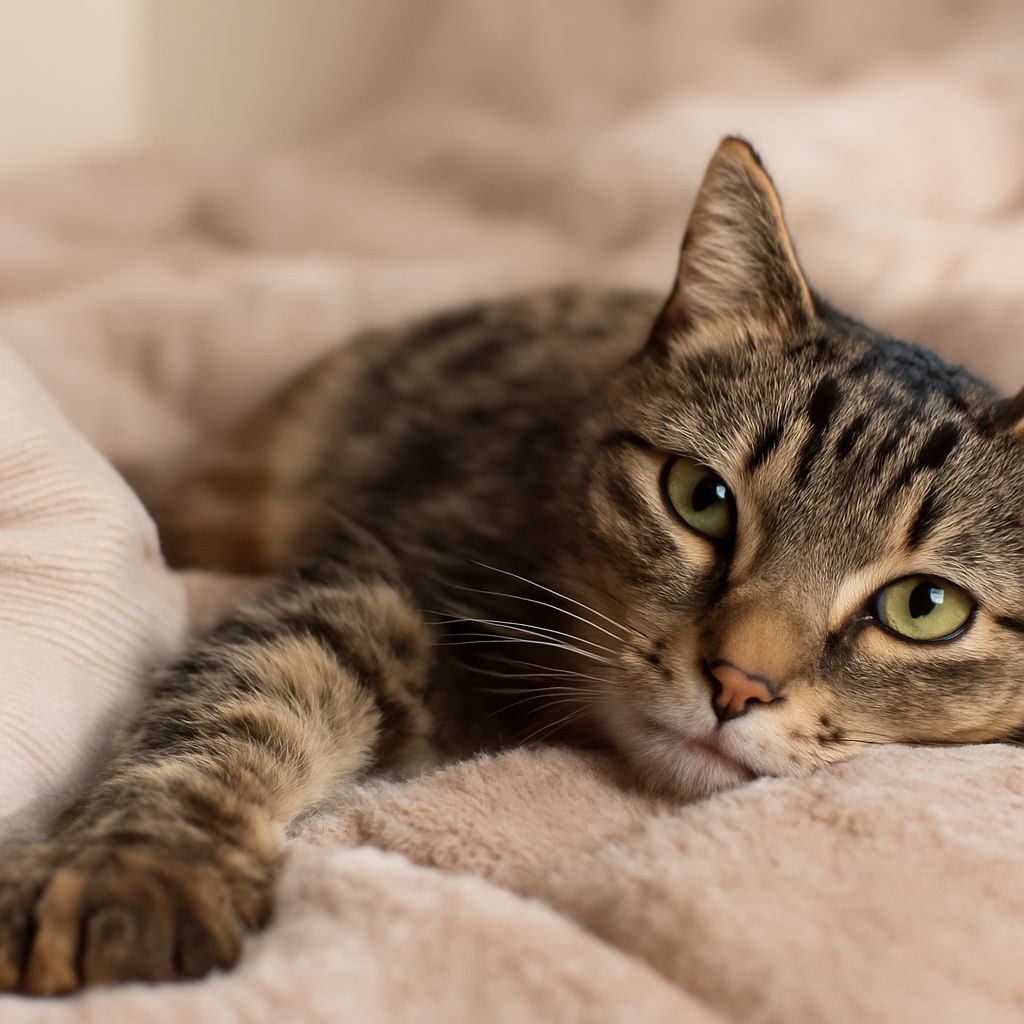
You notice something wet beneath your cat’s eye and you wonder: do cats cry tears the way humans do? Maybe your cat just walked away from a fight with the other pet, or you’ve had a rough day and your cat curled up next to you looking somehow sad. It’s a fair question, and the answer matters for your cat’s health.
Why is my cat crying tears is one of the most searched questions about feline eye health, and for good reason. If you see why do cats cry tears happening regularly, it’s rarely about emotion. Cat crying tears usually points to a physical cause, from minor irritants to blocked tear ducts. And why do cats tear up can tell you whether the situation needs a vet or just a gentle wipe with a damp cloth.
Do Cats Cry Tears for Emotional Reasons
The Short Answer
No. Cats do not produce emotional tears. Humans cry in response to emotional states because of how our limbic system connects to our tear glands. Cats have tear glands too, but those glands are wired differently. Feline tear production is a mechanical function, not an emotional one.
What Looks Like Crying Is Usually Discharge
The wet or crusty material you see near your cat’s eyes is epiphora, which is simply excess tear drainage. All cats produce basal tears constantly to lubricate the eye surface. When those tears overflow onto the fur around the eye, it’s called tearing up, and it looks very much like crying. But the trigger is always physical, not emotional.
Can Cats Feel Sadness
Cats do experience emotional states including stress, grief, and loneliness. Research on feline cognition supports this. But they express those states through behavior changes, not tears. A grieving cat may eat less, sleep more, or vocalize differently. The eyes stay dry in the emotional sense.
Why Cats Tear Up: Physical Causes
Allergies and Environmental Irritants
Dust, pollen, smoke, and cleaning products can all trigger excess tear production. If your cat’s eye discharge increases seasonally or after you change cleaning products, environmental triggers are the first thing to investigate. Switch to fragrance-free cleaners and see if the discharge decreases.
Upper Respiratory Infections
Feline herpesvirus and calicivirus both cause eye and nasal discharge. These are extremely common, especially in cats that came from shelters or multi-cat households. The discharge from viral infections is often thicker and may appear yellowish or greenish. A vet visit is appropriate here since antiviral eye drops or supportive care may help.
Blocked or Narrow Tear Ducts
Some breeds, especially flat-faced cats like Persians and Himalayans, have tear ducts that don’t drain efficiently by design. The tears overflow constantly onto the face, creating reddish-brown staining called tear staining. Flushing the ducts is possible but often needs to be repeated. Daily wiping with a damp cloth keeps staining manageable.
Eye Injuries or Foreign Bodies
A scratch on the cornea or a piece of debris in the eye causes immediate and intense tearing. The affected eye may also appear partially closed or squinted. This is a same-day vet situation, since corneal injuries can worsen quickly without treatment.
Pro Tips Recap
Wipe away discharge daily with a soft, damp cloth to prevent staining and skin irritation around the eye area. Clear watery discharge that appears occasionally is usually not a concern, but thick, colored, or persistent discharge needs a vet evaluation. If your cat is squinting, pawing at one eye, or showing discharge in combination with sneezing or nasal discharge, get it checked within 24 hours rather than waiting to see if it resolves.