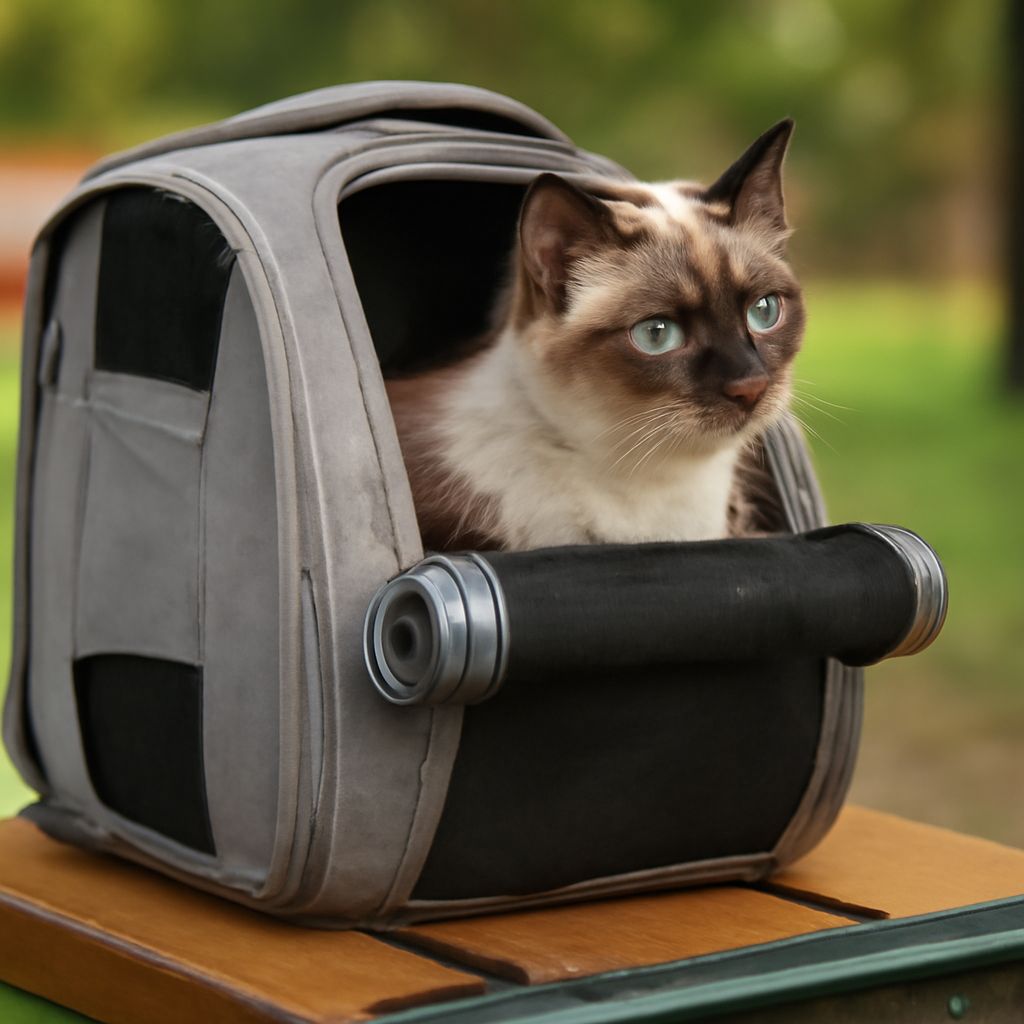
cat backpack Guide: Choosing the Right Carrier for Adventures
You want to take your cat on a hike, a coffee shop trip, or just to the vet without the drama of a hard-sided carrier rattling in your backseat. A cat backpack solves all of that. You wear it on your back, your cat rides in comfort, and you keep both hands free. But not every backpack-style carrier is equal, and picking the wrong one means your cat hates it and you carry dead weight.
A cat carrying backpack needs to balance ventilation, structural support, and enough interior room for your cat to sit or turn around. If you’re planning actual outdoor trips, a cat hiking backpack adds features like reinforced frames, weather resistance, and escape-proof zippers. Some people call it a cat back pack; others know it by the slightly different term cat bookbag. Whatever name you use, this guide helps you pick the right one and use it well.
How to Choose a cat backpack
Interior Space and Ventilation
Your cat needs enough room to sit upright and shift position. A cramped backpack carrier causes stress. Look for a model with at least 12 to 15 inches of internal height. Mesh panels on the sides and front provide airflow and let your cat see out, which reduces anxiety for curious cats. For longer trips, a bubble window on the front gives an unobstructed view without sacrificing structure.
Frame and Structure
A collapsible internal frame keeps the carrier from compressing onto your cat if you lean back or set the backpack down. Wire or rigid plastic frames work best. Avoid fully soft-sided designs for any trip longer than 20 minutes, since the walls tend to sag inward. The floor should be firm enough to give your cat stable footing.
Safety Features
Look for a leash clip inside the main compartment. This tether attaches to your cat’s harness so that if the zipper opens accidentally, your cat doesn’t bolt. Lockable zippers or zipper clips add another layer of security. Some carriers also have a secondary zipper access so you can reach in without opening the whole front panel.
Carrying Comfort for You
Padded shoulder straps and a sternum strap make a big difference on longer walks. If you plan any real hiking, a waist belt distributes the weight and keeps the pack from swinging. Check the backpack’s own weight before loading your cat, since a heavy carrier plus a 12-pound cat adds up fast.
Entry Style
Top-loading designs are easier for cats that resist going in head-first. Front-loading designs give you better access and let your cat walk in on their own. Some carriers have both. Think about how your cat typically enters a carrier and match the design accordingly.
Best Uses for a cat hiking backpack
Day Hikes and Outdoor Trips
For actual trail use, you want a hiking-rated cat carrier with robust materials, weather-resistant fabric, and a frame that holds shape on uneven terrain. The bubble window is especially useful here so your cat can see the scenery without full exposure. Bring water, a collapsible bowl, and a small litter option for trips over two hours.
Urban and Everyday Use
City errands call for a lighter, more compact carrier. The priority shifts to ease of getting in and out of cars, fitting under cafe chairs, and not drawing every stranger’s attention. A smaller backpack carrier works well for vet visits, grooming appointments, and coffee shop trips.
Travel and Planes
Airlines have specific under-seat dimension rules, typically around 18 x 11 x 11 inches. Before buying a carrier for air travel, check your airline’s current requirements and measure the under-seat space on your usual aircraft. Many standard cat back pack designs are close to airline dimensions but not exactly compliant.
Key Takeaways
Pick a backpack carrier with a rigid internal frame, adequate ventilation, and an interior leash clip for safety. Match the carrier size to your cat’s current weight, not their kitten weight. Break in any new carrier at home before the first real outing so your cat treats it as a familiar, safe space rather than a trap.