Cat Won’t Drink Water: How to Hydrate a Cat That Refuses the Bowl
You fill the water bowl every morning and find it nearly untouched by evening. Your cat won’t drink water from it despite seeming otherwise healthy, and you’re not sure whether this is a quirk to ignore or something worth worrying about. Cats are famously indifferent to standing water — it’s a behavioral trait rooted in their desert ancestry — but genuine dehydration carries real health risks, particularly for the kidneys and urinary tract.
Knowing how to hydrate a cat that ignores the water bowl means working with their instincts rather than against them. If my cat won’t drink water from a standard bowl, the solution is often a change in setup rather than anything medical. How to hydrate a cat that won’t drink water takes some trial and error, but most cats respond to at least one of the common adjustments. If your cat is also cat not drinking and showing other symptoms — lethargy, sunken eyes, dry gums, reduced skin elasticity — that’s a vet situation rather than a DIY fix.
Why Cats Avoid Still Water
Instinct and Water Source Preference
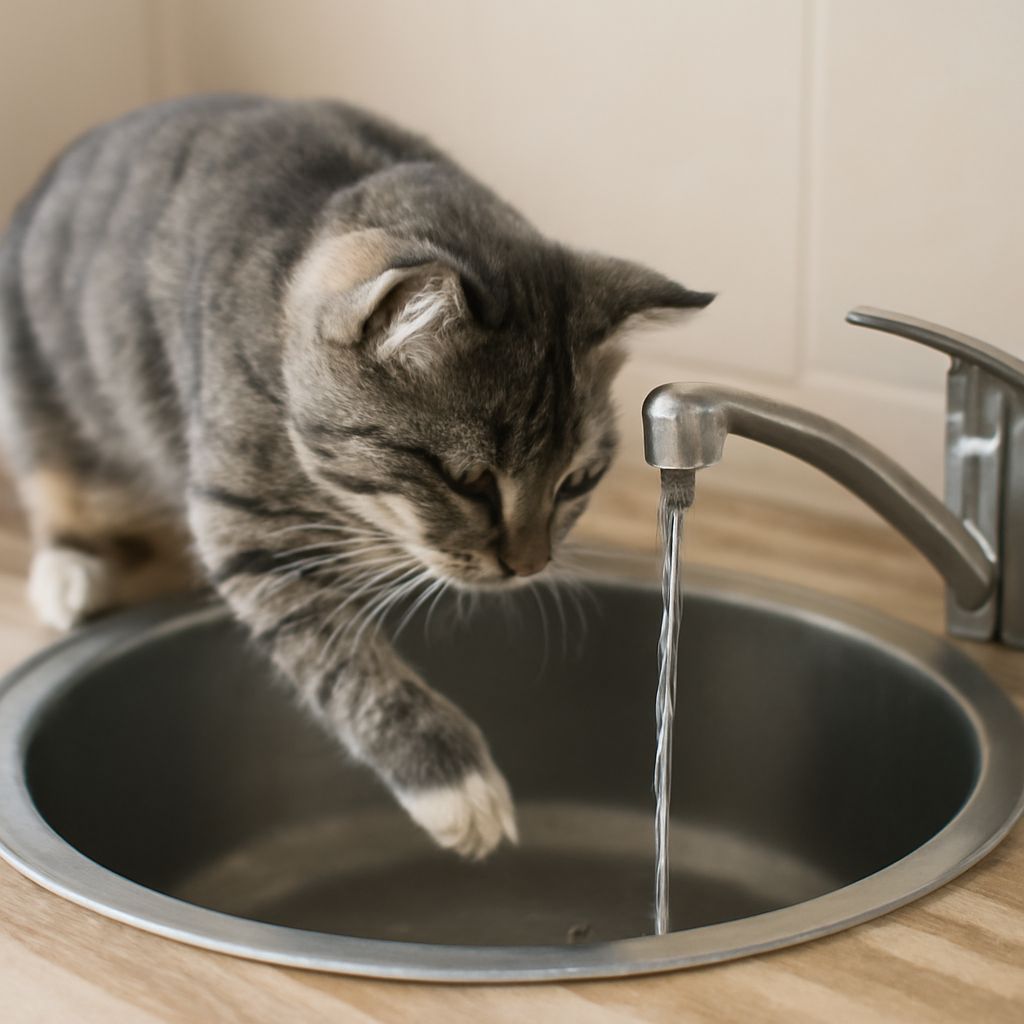
In the wild, cats drink from moving water because standing water carries a higher risk of contamination. This instinct persists in domestic cats — many will walk past a full bowl to drink from a dripping faucet, a puddle, or even a glass you left on the counter. The movement signals freshness and safety at a biological level.
Bowl Location and Material
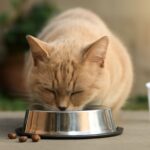
Cats often avoid water placed directly next to their food bowl. The proximity of food and water isn’t natural for cats — in the wild, prey sources and water sources are usually separate locations, and the smell of food near water can put them off drinking. Moving the water bowl to a different room or across the kitchen often produces immediate improvement. Bowl material matters too: plastic bowls can develop a biofilm and an off-taste that cats detect readily. Ceramic or stainless steel works better for most cats.
Whisker Fatigue
A bowl that’s too narrow causes a cat’s whiskers to touch the sides when they try to drink, which is uncomfortable enough to put them off the bowl entirely. Wide, shallow bowls eliminate this problem. Some cats prefer to drink from a saucer rather than a bowl for exactly this reason.
How to Hydrate a Cat Effectively
Cat Water Fountains
A circulating cat water fountain is the single most effective tool for getting most cats to drink more. The constant movement mimics running water, and the filter keeps it fresh-tasting. Many cat owners who struggled with a cat not drinking anything report their cat became a regular drinker within a day or two of introducing a fountain. Models with adjustable flow rates let you find the stream speed that appeals most to your cat.
Wet Food and Food Moisture
A wet food diet is one of the most reliable ways to increase a cat’s total water intake without requiring them to drink at all. Wet food is roughly 70–80% water; dry food is around 10%. Switching fully or partially to wet food meaningfully reduces the hydration gap. Adding a small amount of warm water or low-sodium broth to wet food increases moisture further and is accepted by most cats.
Multiple Water Stations
Place water sources in several locations around the home, including at least one away from food and one near a spot your cat frequents. More access points means more opportunities to drink spontaneously throughout the day.
Key Takeaways
Moving the water bowl away from food and switching to a wide, ceramic or stainless bowl addresses two of the most common reasons cats skip water. A fountain converts most reluctant drinkers. If your cat is actively avoiding water alongside other symptoms, contact your vet — dehydration in cats progresses faster than most people expect.