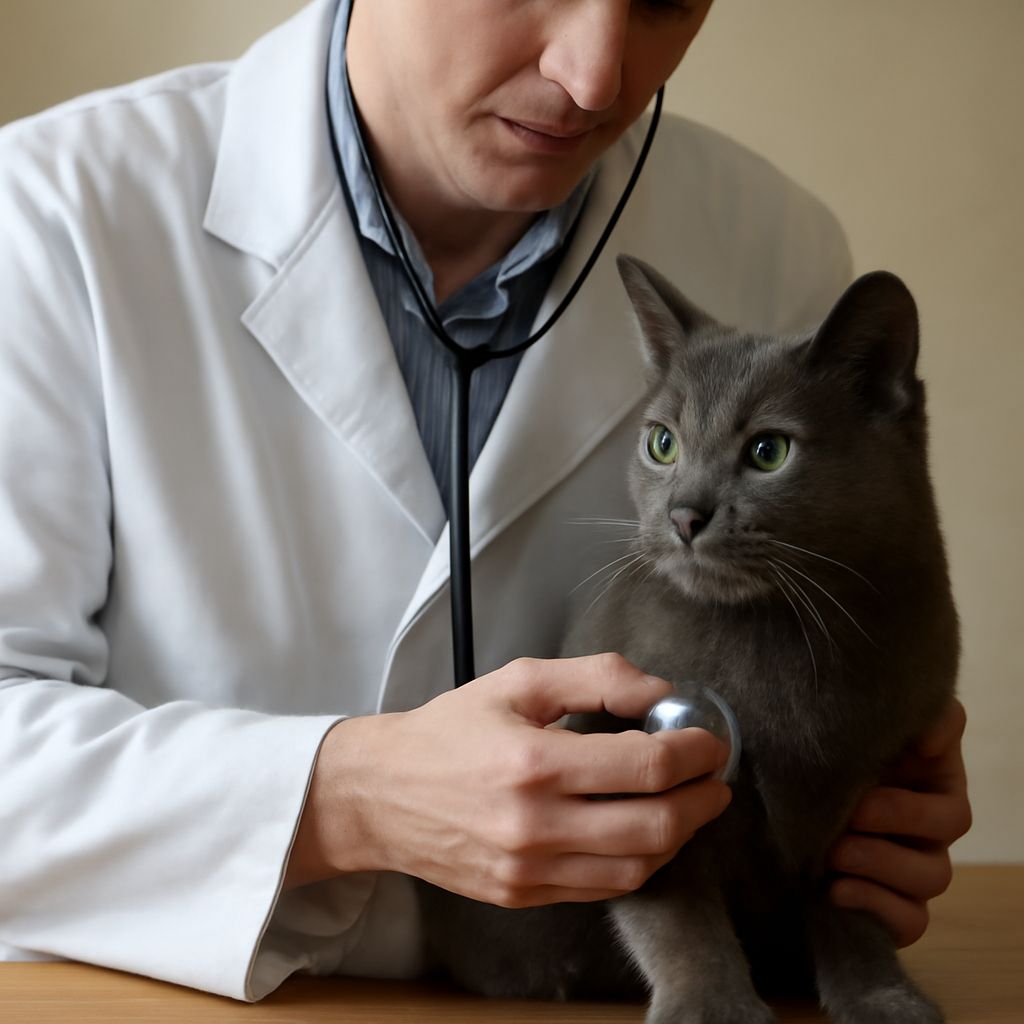
Cat Dying from Anemia: Signs, Treatment, and How to Help Your Cat
You notice your cat is unusually lethargic, barely interested in food, and breathing faster than normal. When you gently lift her lip to check her gums, instead of the healthy pink you expect, they look pale — almost white. These could be signs of a cat dying from anemia, a condition that many cat owners don’t recognize until it has progressed significantly. Knowing the symptoms can literally save your pet’s life.
Anemia in cats means the blood has too few red blood cells or too little hemoglobin to deliver adequate oxygen throughout the body. Understanding cat anemia treatment options empowers you to act fast. Whether you’re wondering how to treat anemia in cats at home or seeking guidance on when to rush to the vet, this article covers what anemic cat gums look like, and outlines steps for how to increase red blood cells in cats during recovery.
Recognizing the Signs of a Cat Dying from Anemia
Anemia can develop rapidly or slowly depending on its cause. In either case, early recognition gives your cat the best chance of recovery. Cats are experts at masking illness, so subtle changes in behavior or appearance deserve close attention.
What Anemic Cat Gums Look Like
The gums of a healthy cat should be salmon pink and moist. In an anemic cat, gums appear pale pink, white, or even yellowish (indicating jaundice). This pale coloration — one of the clearest signs of reduced red blood cell levels — can be checked by gently pressing and releasing a fingertip against the gum; color should return within two seconds in a healthy animal.
Behavioral and Physical Warning Signs
Beyond pale gums, watch for: extreme lethargy or weakness, reduced appetite or refusal to eat, rapid or labored breathing, cold paws and ears, and a noticeably increased heart rate. In advanced stages, a cat with severe anemia may collapse or become unable to stand. These are urgent signals requiring immediate veterinary care.
When Is Anemia an Emergency
If your cat shows acute distress — open-mouth breathing, collapse, or completely white gums — treat it as a veterinary emergency. Even moderate anemia can deteriorate quickly, especially in older cats or those with underlying illnesses. When in doubt, call your vet immediately rather than waiting to observe further.
Cat Anemia Treatment Options
There is no one-size-fits-all approach to treating feline anemia. The appropriate intervention depends on the root cause — whether that’s blood loss, immune-mediated destruction of red blood cells, nutritional deficiency, or chronic disease.
Veterinary Diagnosis and Testing
Your vet will perform a complete blood count (CBC) to measure red blood cell levels and a packed cell volume (PCV) test. Additional diagnostics may include blood chemistry panels, urinalysis, and in some cases bone marrow evaluation. Identifying the underlying cause is essential before beginning treatment.
Medical Treatments Your Vet May Recommend
Treatment options vary widely. A severely anemic cat may require a blood transfusion to stabilize oxygen levels. Immune-mediated anemia is typically managed with immunosuppressive medications like prednisolone. Parasitic causes — such as fleas or ticks transmitting blood-borne pathogens — require appropriate antiparasitic therapy. Iron-deficiency anemia responds to iron supplementation under veterinary guidance.
How to Increase Red Blood Cells in Cats at Home
Supporting red blood cell production at home means providing optimal nutrition and a stress-free recovery environment. Foods rich in iron — such as lean cooked meat and organ meats like liver — can help support hemoglobin production. Some vets recommend nutritional supplements containing B vitamins, particularly B12 and folate, which are critical for red blood cell synthesis. Never supplement without veterinary guidance, as excessive iron can be harmful.
Nutritional Support During Recovery
A recovering anemic cat needs high-quality, easily digestible protein. Offer small, frequent meals of meat-based wet food. If appetite is suppressed, warming the food slightly may encourage eating. Adequate hydration is equally important — consider a water fountain or adding water to food to increase fluid intake.
Long-Term Care and Prevention
Once your cat recovers from anemia, ongoing prevention reduces the risk of recurrence. Keep up with routine veterinary checkups, including periodic blood panels for senior cats or those with chronic conditions. Maintain consistent flea and tick prevention, since parasites are a leading cause of feline anemia. Feed a balanced, species-appropriate diet to support sustained red blood cell health. For cats with immune-mediated disease, long-term monitoring and medication management are essential.
Key takeaways: Pale or white gums are a critical warning sign that a cat may be dangerously anemic and needs urgent veterinary attention. Effective anemia treatment depends on identifying the root cause — from parasites to nutritional gaps to immune disease. Supporting recovery with high-quality nutrition and close veterinary follow-up gives your cat the best path back to full health.