Poinsettia and Cats: Are These Holiday Plants Safe for Your Feline?
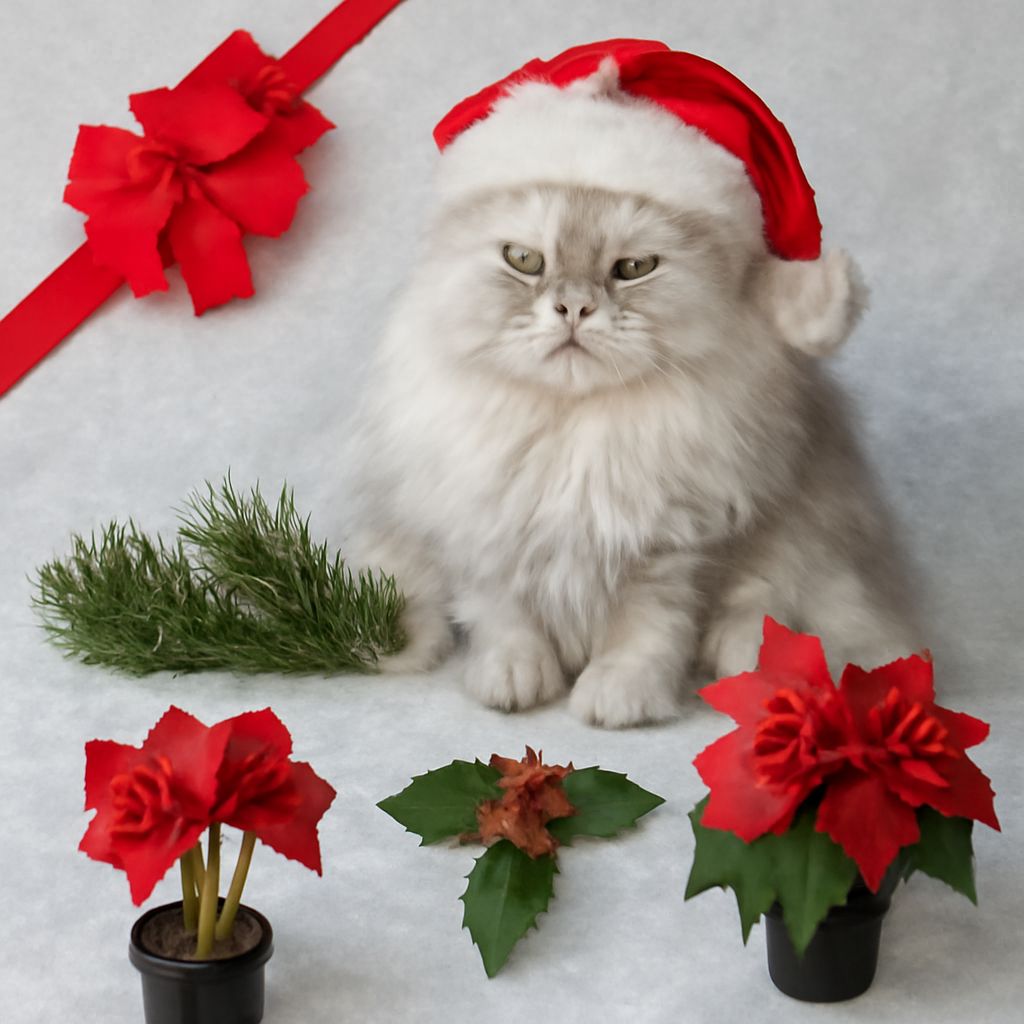
The holidays have arrived and a vibrant red poinsettia sits on your windowsill — until your cat begins batting at its leaves with obvious curiosity. The question of poinsettia and cats sharing a home comes up every December in veterinary offices around the world. You’ve probably heard the warning before, but the reality is more nuanced than the worst-case scenarios suggest.
Many cat owners worry the moment they see poinsettia cats interactions unfold in their living room. Understanding the truth about whether are poinsettias toxic to cats — and how seriously — helps you make smart decisions about poinsettias and cats coexisting during the festive season. This guide separates fact from fear when it comes to cats and poinsettias, and gives you practical tools to keep everyone safe.
Are Poinsettias Toxic to Cats? The Real Risk Level
Poinsettias (Euphorbia pulcherrima) are often listed among toxic holiday plants, but their danger level is frequently overstated. According to the ASPCA, poinsettias are considered only mildly toxic to cats. They are far less dangerous than other common holiday plants like lilies, holly, or mistletoe — which can cause severe or fatal reactions.
What Compounds in Poinsettias Affect Cats
The milky white sap in poinsettia stems and leaves contains diterpenoid euphorbol esters, which are the compounds responsible for mild irritation in cats. Contact with the sap can cause skin irritation, and ingestion typically results in mild gastrointestinal upset rather than systemic toxicity. The sap’s irritating properties affect the mouth, esophagus, and stomach lining.
Symptoms of Poinsettia Ingestion in Cats
If your cat chews on or swallows part of a poinsettia plant, you may observe: drooling, vomiting, mild diarrhea, and eye or skin irritation if sap made contact. In most cases, these symptoms resolve on their own within a few hours. Severe reactions are rare and typically only occur when large quantities are consumed.
How Much Poinsettia Is Dangerous for a Cat
A cat would need to consume a very large amount of poinsettia to face serious health consequences. Research suggests a cat would need to ingest hundreds of leaves to experience toxic effects beyond mild stomach upset. Most cats stop chewing after one or two bites due to the sap’s bitter taste — a natural deterrent. Still, it’s wise not to treat the plant as safe by default.
What to Do If Your Cat Eats Poinsettia
Staying calm is your first priority. While a poinsettia encounter is unlikely to be life-threatening, taking a few practical steps helps ensure your cat’s comfort and rules out complications.
Immediate Steps at Home
If you see your cat chewing on a poinsettia, gently wipe their mouth with a damp cloth to remove plant residue. Offer fresh water to help clear any remaining sap from their mouth. Wash any sap off your cat’s paws or fur to prevent further ingestion through grooming. Monitor your cat for the next few hours for any signs of digestive distress.
When to Call a Vet or Poison Hotline
Contact your veterinarian or the ASPCA Animal Poison Control Center (888-426-4435) if your cat ate a large portion of the plant, is showing persistent vomiting or diarrhea, seems lethargic or in distress, or if your cat is very young, elderly, or has a pre-existing health condition. Even with a mildly toxic plant, individual cats can react differently based on their size and sensitivity.
Keeping Cats Safe Around Holiday Plants
The best approach to managing cats and holiday plants together is proactive planning. With a few adjustments, you can enjoy seasonal decorations without putting your feline at risk.
Safe Placement Strategies for Poinsettias
Place poinsettias on high shelves, in closed rooms, or behind protective barriers where your cat cannot easily access them. Hanging planters or wall-mounted displays can also keep festive plants visually prominent while physically out of reach. Be aware that cats are capable climbers — a shelf alone may not be sufficient for particularly determined animals.
Cat-Safe Alternatives for Holiday Decorating
If you prefer to avoid the stress of monitoring plant interactions altogether, choose cat-safe seasonal plants such as Christmas cacti, orchids, or Boston ferns. Artificial poinsettias offer the same festive visual impact with zero toxicity risk. Silk or fabric decorations eliminate the concern entirely while still creating a cheerful holiday atmosphere.
Key takeaways: Poinsettias pose a mild, not severe, toxicity risk to cats — most encounters result in minor gastrointestinal upset that resolves quickly. Place holiday plants out of reach as a precaution, and contact your vet if your cat consumes a significant amount or shows persistent symptoms. Choosing cat-safe plant alternatives removes the concern entirely during the festive season.