
Why Does My Cat Lick Me Then Bite Me? Understanding This Common Behavior
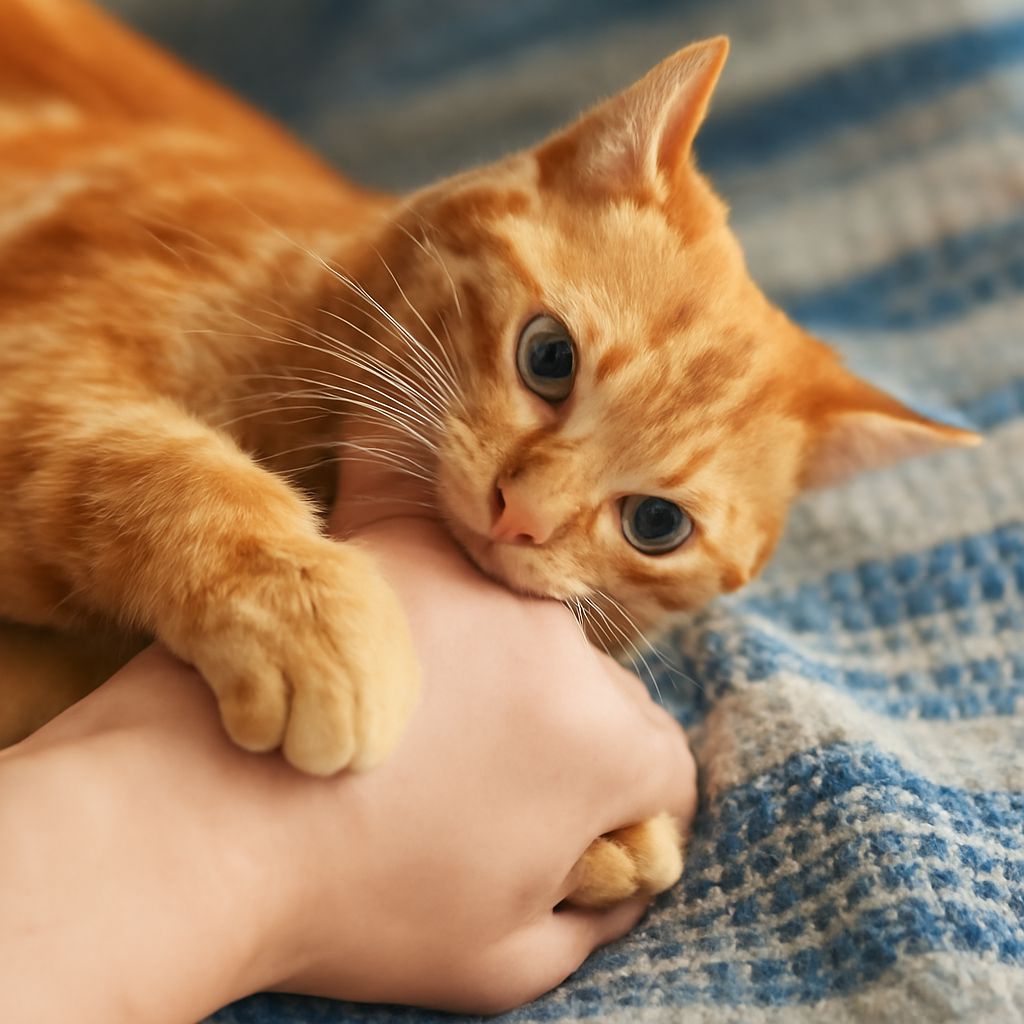
Your cat settles in your lap, begins grooming your hand with long, slow licks, and then — without any obvious warning — delivers a sharp nip. If you’ve found yourself asking, why does my cat lick me then bite me, you’re in good company. This baffling combination of affection and correction is one of the most frequently reported cat behaviors among owners. Rather than a sign of aggression or dislike, it’s usually rooted in deeply feline communication instincts.
Understanding why does my cat lick then bite me starts with recognizing that licking and biting are both normal parts of how cats interact with their social companions — including you. Whether it signals overstimulation, a playful mood swing, or a grooming boundary, learning why does my cat lick and bite me helps you respond appropriately. When you understand why does my cat lick me and then bite me, you stop taking it personally — and when a cat licks then bites, you’ll know exactly what to do.
The Science Behind Lick-Then-Bite Behavior
Cats use a combination of tactile and vocal signals to communicate with both other cats and humans. The lick-then-bite sequence isn’t random — it maps closely to behaviors observed between cats in the same social group. Understanding the underlying reasons helps you decode what your cat is telling you.
Grooming Turned Overload: Overstimulation Biting
One of the most common explanations for a cat that licks then nips is overstimulation. What begins as mutual grooming — a bonding activity cats perform with trusted companions — can trigger sensory overload when nerve endings in your skin send too much feedback. The bite is your cat’s way of saying, “That’s enough for now.” It’s not malicious; it’s a genuine signal that they’ve hit their tolerance threshold.
Love Bites vs. Aggressive Biting
There’s a meaningful distinction between a love bite and an aggressive bite. Love bites are typically gentle — a brief pinch with little to no pressure — and often occur mid-grooming session without other signs of hostility. Aggressive bites break skin, are accompanied by hissing, growling, flattened ears, or a puffed tail, and signal genuine distress. Most cats that lick and then bite are delivering love bites, not aggression.
Communication and Social Bonding in Cats
In multi-cat households, allogrooming — mutual grooming between cats — frequently includes gentle bites as part of the interaction. By extending this behavior to you, your cat is treating you as part of its social group. The licking grooms you; the nip maintains the communication loop. It’s a cat’s way of saying you belong to its inner circle.
Why Your Cat’s Mood Can Shift So Quickly
Cats operate on a narrow emotional bandwidth that can shift rapidly. What feels pleasant one moment — being touched, groomed, or held — can cross into discomfort almost instantly, especially when physical stimulation continues past your cat’s comfort limit.
Reading Your Cat’s Body Language
Before a licking cat transitions to biting, there are usually subtle warning signs: a twitching or flicking tail, skin rippling along the back, flattened ears, dilated pupils, or a sudden stillness in the body. Learning to recognize these cues lets you end a petting or grooming session before the bite arrives. Most cats will escalate from mild to stronger signals if their first warnings are ignored.
Common Triggers That Lead to Biting After Licking
Prolonged contact in sensitive areas — the belly, lower back, or tail base — frequently triggers the lick-then-bite response. Loud noises, unexpected movements, or touch that’s too vigorous can also tip a relaxed cat into reactive mode. Recognizing which specific scenarios precede the biting helps you tailor your interactions to your individual cat’s preferences.
The Role of Texture and Scent in Cat Grooming Behavior
Cats are highly scent-driven, and their grooming behavior is partly motivated by a desire to mark companions with familiar scent. When your cat licks your hand, it may be responding to an interesting smell — lotion, food residue, or another animal’s scent. The bite may signal the end of “processing” that olfactory information, or a reaction to a taste it found unexpectedly intense.
How to Respond When Your Cat Licks and Bites
The best response to a lick-then-bite sequence is calm, consistent redirection. Pulling away sharply or scolding your cat can escalate tension and damage trust. Instead, when you feel the preliminary signs of a brewing bite — the body stiffening, the tail beginning to flick — calmly end the interaction by withdrawing your hand slowly and giving your cat space. Over time, paying attention to your individual cat’s thresholds and respecting its cues builds a smoother, more predictable relationship. Interactive toys can redirect playful biting energy toward appropriate targets, reducing the likelihood of grooming sessions ending with nips on your hands.
Pro tips recap: Watch for tail twitching, skin rippling, and ear position changes as early signals that your cat’s tolerance for physical contact is reaching its limit. Respond to love bites with calm withdrawal rather than punishment, and use toys to channel playful biting instincts productively. Understanding your cat’s individual communication style makes the lick-then-bite sequence much easier to manage.