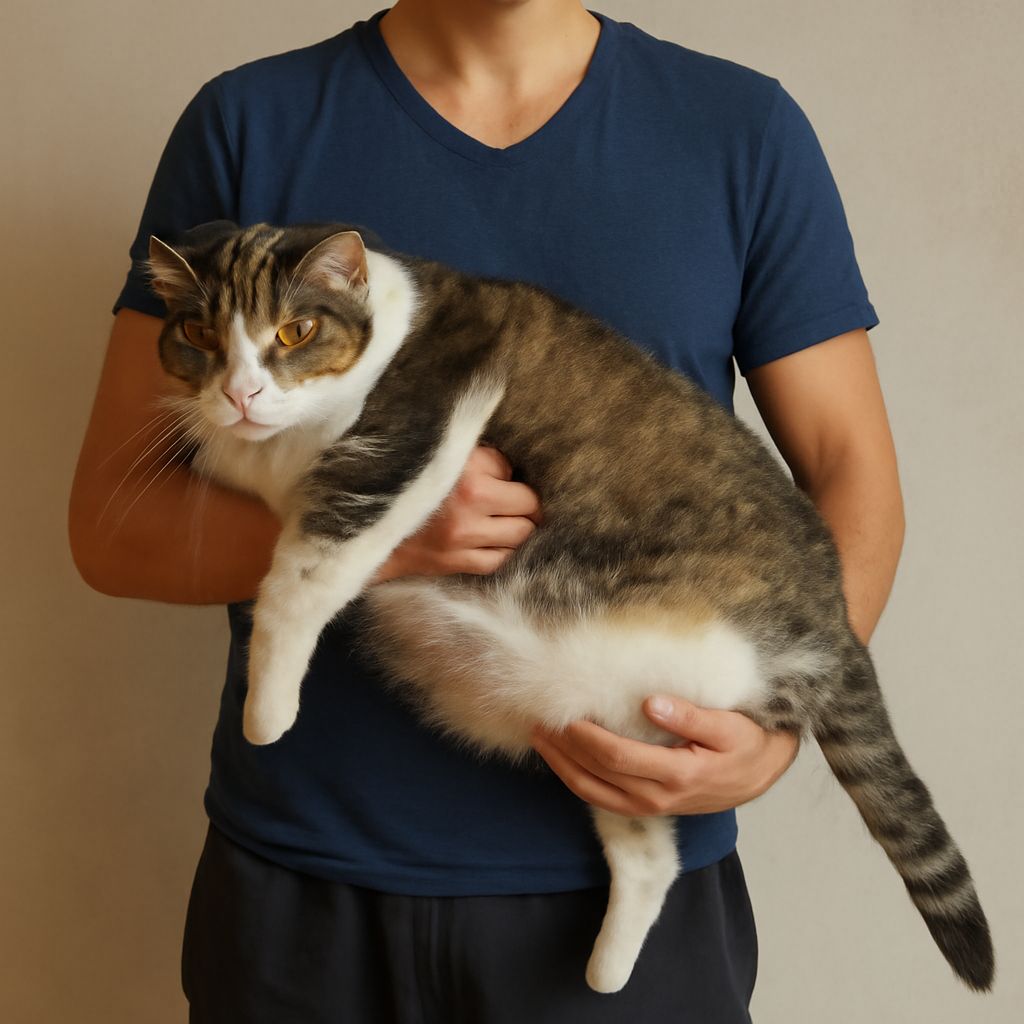
How to Get My Cat to Lose Weight: A Practical Owner’s Guide
Your veterinarian has just told you that your cat is carrying extra pounds, and you’re wondering how to get my cat to lose weight without making mealtimes a battle. You’re not alone — feline obesity has become one of the most common health concerns in domestic cats, and many devoted owners find themselves in exactly this situation. The good news is that with the right approach, most cats can reach a healthier body condition gradually and safely.
Understanding weight loss in cats starts with recognizing that cats are obligate carnivores with very specific metabolic needs. What works for a human diet or even a dog’s diet rarely translates directly to feline nutrition. This guide walks through how to develop a realistic cat weight loss plan, what adjustments to make when your cat needs to lose weight, and which strategies make weight loss for cats sustainable long-term.
Why Weight Management Matters for Cats
Excess body weight puts significant strain on a cat’s joints, organs, and overall quality of life. Understanding the stakes can motivate consistent follow-through with dietary and lifestyle changes.
Health Risks of an Overweight Cat
Overweight cats face dramatically elevated risks of diabetes mellitus, hepatic lipidosis (fatty liver disease), osteoarthritis, urinary tract disease, and heart problems. Even a relatively modest amount of excess fat — one or two pounds over ideal — can reduce a cat’s life expectancy and activity level. Cats that carry excessive weight are also more difficult to examine and treat medically, which can complicate future veterinary care.
How to Tell If Your Cat Needs to Lose Weight
The easiest field test is the rib check: run your fingers along your cat’s sides. You should be able to feel individual ribs with light pressure without seeing them prominently. If you can’t feel the ribs without pressing hard, your cat is likely overweight. A pronounced abdominal pouch, difficulty grooming the back or base of the tail, and reduced willingness to jump or play are other reliable indicators.
Building an Effective Cat Weight Loss Plan
No two cats lose weight at exactly the same rate or in response to the same strategies. Your vet should be your first resource for building a personalized plan, particularly if your cat is significantly obese or has underlying health conditions.
Calculating the Right Calorie Intake
Weight loss in felines requires a mild caloric deficit — typically feeding around 80% of the calories needed to maintain ideal (not current) body weight. Cutting too drastically is dangerous: cats that don’t eat enough can develop hepatic lipidosis within days. Your vet can calculate your cat’s target caloric intake based on ideal weight and current health status.
Choosing the Best Food for Weight Loss in Cats
High-protein, low-carbohydrate wet food is generally the most effective dietary approach for feline weight management. Wet food’s higher water content promotes satiety and supports urinary health simultaneously. Avoid foods with corn, wheat, or potato as primary ingredients — these add carbohydrates without benefiting a carnivore’s metabolism. Prescription weight management diets are available through your vet for cats with more complex needs.
Feeding Schedule and Portion Control
Free-choice feeding — leaving food out all day — is one of the most significant contributors to feline obesity. Transitioning to scheduled meals (two to three per day) with measured portions gives you full control over intake. Use a kitchen scale to weigh food rather than relying on volume measures, which can be imprecise. Consistent meal timing also helps regulate your cat’s hunger signals over time.
The Role of Treats in a Cat Weight Loss Plan
Treats should account for no more than 10% of your cat’s daily caloric intake during a weight reduction phase. Choose low-calorie options — small pieces of cooked chicken or commercially available cat treats with minimal filler ingredients. Avoid high-starch or grain-based treats entirely. If you use treats for training or enrichment, factor those calories into the daily total.
Exercise and Lifestyle Changes to Support Cat Weight Loss
Dietary changes alone produce results, but adding activity accelerates healthy weight reduction and improves muscle tone and mental well-being.
Indoor Activity Ideas That Actually Work
Wand toys, laser pointers, and feather teasers prompt genuine physical exertion in even the laziest indoor cats. Schedule two play sessions of ten to fifteen minutes daily. Puzzle feeders and food-dispensing toys can replace a portion of your cat’s regular meals, adding mental stimulation while slowing consumption. Cat trees and climbing structures encourage natural movement throughout the day.
Monitoring Progress and Adjusting the Plan
Weigh your cat every two weeks and track the results. Healthy feline weight loss occurs at a rate of approximately 0.5% to 1% of body weight per week — faster loss increases the risk of hepatic lipidosis. If progress stalls, reassess portion sizes and treat frequency. If weight drops too fast, increase daily calories slightly. Share your records with your vet at regular checkups.
Pro tips recap: Transition from free-feeding to measured meals immediately, choose high-protein wet food over dry kibble, and add daily interactive play to accelerate results. Weigh your cat bi-weekly and adjust portions based on actual progress rather than guessing. Sustainable weight loss for cats is a slow, steady process — patience and consistency are the most important ingredients.