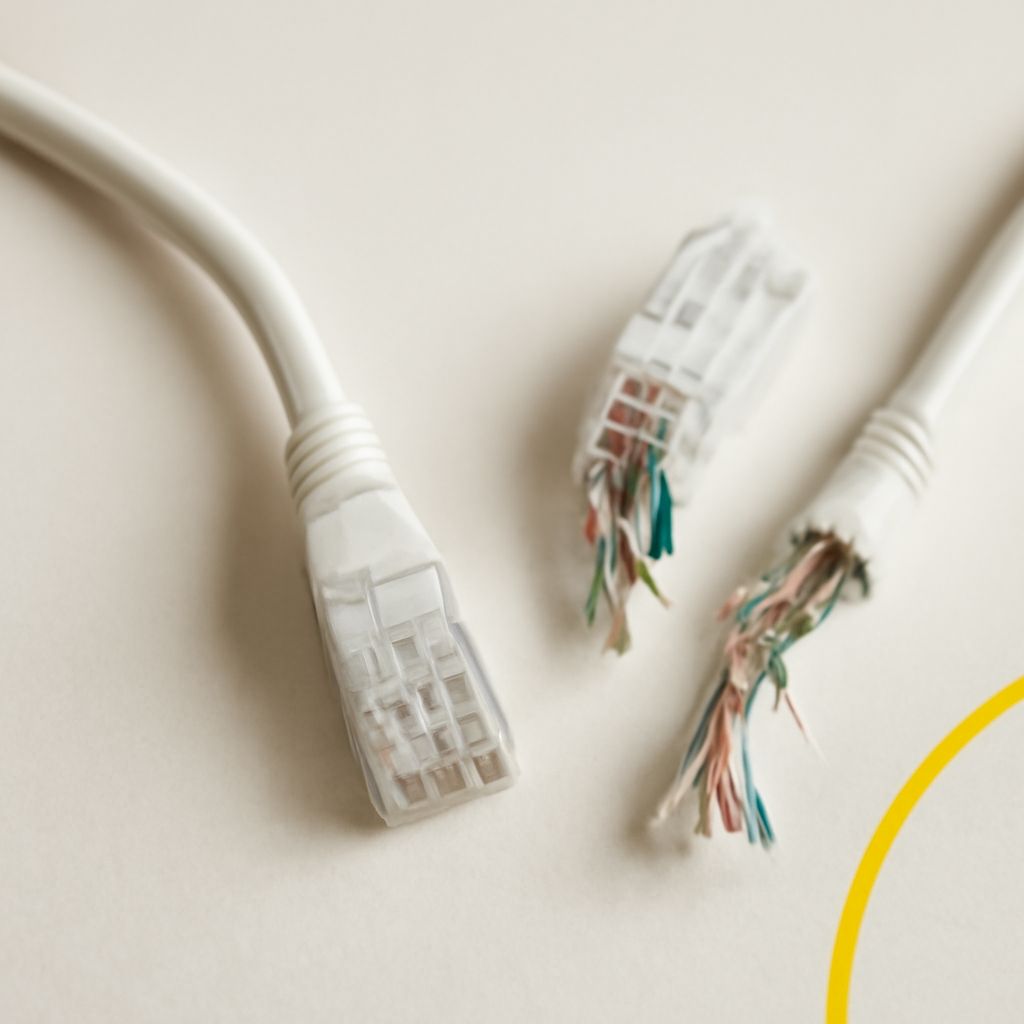
Cat 6 Cable Guide: What Cat Owners Need to Know About Cable Chewing
You’ve come home to find your brand-new cat 6 cable in pieces on the floor, and your cat sitting nearby with the look of complete innocence. Cable chewing is one of the most destructive — and potentially dangerous — habits a cat can develop. Understanding why cats target wires and how to protect your network equipment and your pet is essential for any cat-owning household with wired internet or home electronics.
A chewed cat wire doesn’t just interrupt your internet connection — it can expose your cat to electrical hazards that range from mouth burns to fatal electrocution. Whether you’re navigating the differences between cat 5 cat 6 cables in your setup, debating cat 6e vs cat 6 for a home upgrade, or comparing cat 5e vs cat 6 speed for streaming and gaming, this guide helps you plan a network that’s both high-performing and safe around curious cats.
Why Cats Chew Cables and Wires
Cable chewing in cats is rarely random — it’s driven by specific behavioral or developmental factors that, once identified, can be addressed effectively.
Understanding the Chewing Instinct
Cats explore their environment through smell and touch, and cables mimic the shape and texture of prey — particularly snake-like prey items. Young cats and kittens are especially drawn to cables during teething phases, when chewing provides tactile relief. Adult cats with understimulated environments often redirect predatory energy toward household objects, including network cables, charger cords, and headphone wires.
Which Cats Are Most Likely to Chew Cables
Kittens under one year are the highest-risk group, but bored adult cats of any age can develop cable-chewing habits. Breeds with high prey drives — such as Bengals, Abyssinians, and Siamese — tend to be more persistent cable attackers. Cats left alone for long periods without enrichment are significantly more likely to engage in destructive chewing behaviors.
Health Risks of Cable Chewing
The dangers go far beyond a severed ethernet connection. A cat that bites through an active power cable can suffer electrical burns to the mouth and tongue, cardiac arrhythmias, or death. Even data cables like ethernet wires can present hazards if chewed into sharp fragments that are swallowed. Cats have been known to develop intestinal blockages from ingesting plastic cable sheathing.
Protecting Your Cat 6 Cable and Network Wiring
Once you understand why your cat targets cables, you can deploy a combination of physical protection, behavioral modification, and smart routing to eliminate the hazard.
Physical Cable Protection Methods
Cable management solutions designed specifically for pet-proofing include split-loom tubing, metal cable conduit, and flexible plastic spiral wrap. These coverings add a physical barrier that most cats cannot chew through. Running ethernet cables under baseboards, through walls, or inside cable raceways mounted close to the ceiling keeps them out of reach entirely. Thick woven fabric sleeves are another popular option — visually unobtrusive and affordable for protecting multiple wires at once.
Behavioral Deterrents That Work
Bitter apple spray applied to cable sheaths deters most cats through taste aversion. Citrus-scented sprays or tape with a sticky surface placed near cable runs discourages approach. For persistent chewers, providing appropriate alternatives — tough rubber chew toys or food puzzles — redirects the behavior without punishment. Increasing playtime with interactive wand toys reduces the overall urge to engage with environmental objects.
Safe Cable Routing Strategies
The most effective long-term solution is eliminating access entirely. Run ethernet through walls or ceiling spaces wherever possible. Use wireless connections for devices in cat-accessible areas whenever network performance allows. When surface routing is unavoidable, mount conduit at heights your cat cannot easily reach, and use tamper-resistant clips to keep cables flush against walls rather than dangling loose.
Cat 5 Cat 6 and Cat 6e vs Cat 6: Network Specs and Pet-Safe Setups
Understanding which cable type your network uses helps you prioritize protection. The comparison of cat 5 vs cat 6 cables boils down to speed and interference shielding: Cat 5e supports up to 1 Gbps, while Cat 6 handles 10 Gbps at shorter distances with tighter twisted pairs that reduce crosstalk. In the cat 6e vs cat 6 comparison, note that Cat 6e is not an officially ratified standard — most products marketed as Cat 6e are simply premium Cat 6 variants. For the genuine cat 5e vs cat 6 speed difference: Cat 6 outperforms Cat 5e in dense environments and is the current recommended standard for new installations. Choose armored or riser-rated ethernet cable where possible — these thicker-jacketed variants are substantially more resistant to cat biting than standard thin-jacket cables.
Safety recap: Never leave active power cables accessible to cats — the risk of electrocution is real and serious. Protect all exposed ethernet and data cables with physical conduit or tubing, and provide your cat with enriching alternatives to redirect chewing instincts. A few minutes of cable management investment protects both your pet and your network.