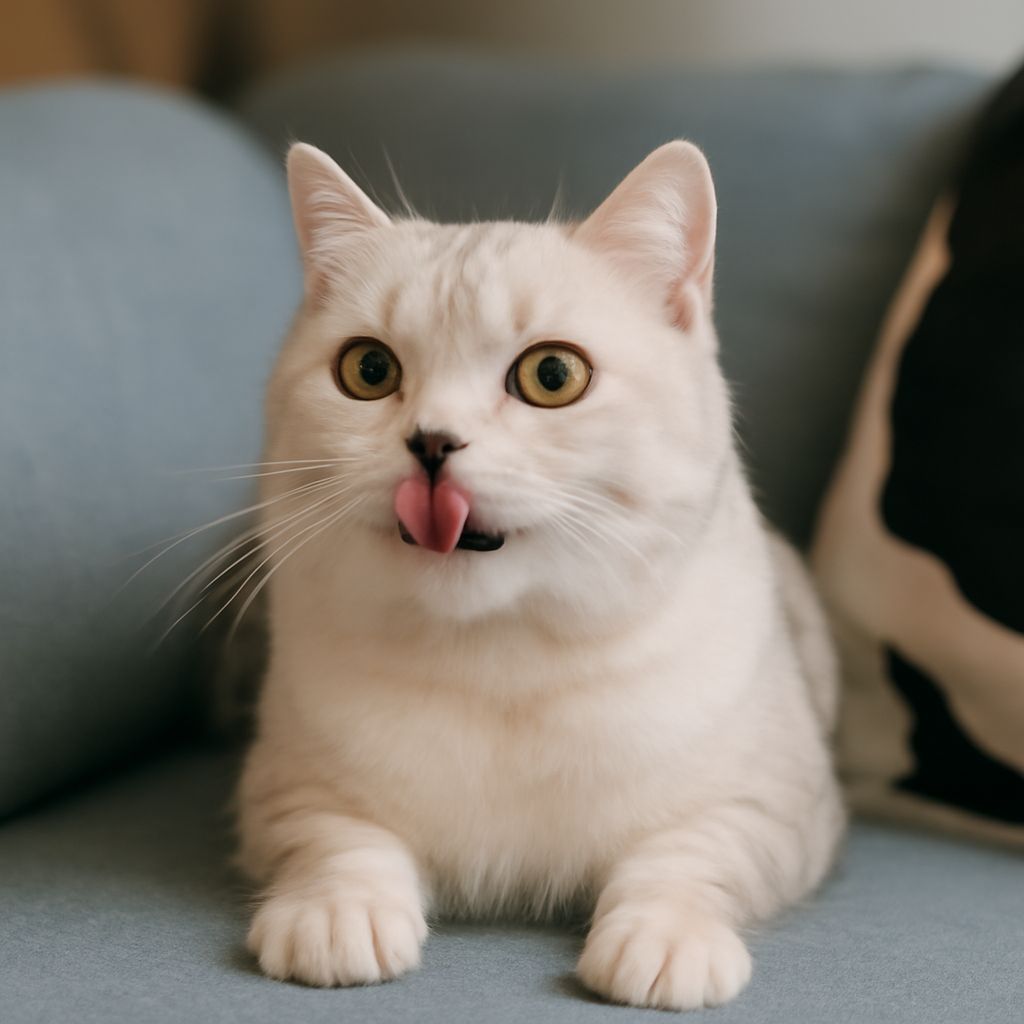
Drooling Cat: Common Causes and When to See a Vet
You notice a wet spot on your cat’s chest fur and realize your cat has been drooling. A drooling cat can be perfectly normal in some situations — or it can be a sign that something is seriously wrong. Knowing the difference could save your pet’s life, or at the very least spare you unnecessary worry.
Cat excessive drooling isn’t something to brush off without context. While some cats drool lightly when happy or deeply relaxed, excessive drooling in cats that appears suddenly, persistently, or alongside other symptoms almost always indicates an underlying issue. When you notice your cat drooling excessively for the first time or find yourself wondering why my cat is drooling a lot more than usual, this guide helps you identify the cause and determine the right next step.
Normal vs. Abnormal Drooling in Cats
Not all cat drooling signals a problem. Context is everything when assessing whether your cat’s salivation is within the normal range.
When Drooling Is Nothing to Worry About
Some cats drool lightly when deeply content — during a purring session, while kneading a blanket, or when deeply relaxed on their owner’s lap. This relaxation-related drooling is typically a small, occasional dribble rather than a sustained flow. Some cats are naturally heavier droolers than others due to individual anatomy. If your cat has always had mild drooling in relaxed situations and shows no other symptoms, it’s likely benign.
Signs That Drooling Has Become Excessive
Drooling becomes a concern when: it starts suddenly in a cat that doesn’t normally drool; the saliva is thick, foamy, or discolored; it’s accompanied by pawing at the mouth, reluctance to eat, bad breath, vomiting, lethargy, or behavioral changes; or the drooling is continuous rather than occasional. Any of these signs warrants prompt veterinary attention.
Common Causes of Excessive Drooling in Cats
A wide range of conditions can cause a cat to drool more than normal. Identifying the specific trigger requires looking at accompanying symptoms and context.
Dental Disease and Oral Pain
Dental disease is one of the most frequent causes of excessive salivation in cats. Gingivitis, periodontitis, tooth root abscesses, and oral ulcers all cause pain that stimulates saliva production. A cat that drools excessively while eating or that drops food from its mouth likely has oral discomfort. Stomatitis — severe inflammation of the entire mouth lining — causes particularly dramatic drooling and requires immediate veterinary treatment.
Nausea and Digestive Upset
Cats often drool when nauseous — just as humans salivate before vomiting. Motion sickness during car rides is a common trigger of situational excessive drooling. Gastrointestinal issues, intestinal parasites, dietary indiscretion, or food sensitivities can all cause nausea-related drooling that may precede or accompany vomiting episodes.
Toxic Plant or Substance Ingestion
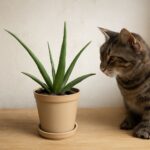
Many common household plants — including lilies, philodendrons, and certain ferns — cause immediate oral irritation and excessive drooling when ingested or even mouthed by cats. Household chemicals, medications, and some insecticides produce similar reactions. If sudden-onset drooling occurs alongside other symptoms of toxicity (trembling, dilated pupils, difficulty breathing), treat it as an emergency and contact your vet or animal poison control immediately.
Respiratory and Neurological Conditions
Upper respiratory infections that cause nasal congestion can lead to mouth breathing and secondary drooling. Neurological conditions affecting swallowing — including rabies, though rare in vaccinated cats — cause excessive salivation. Cats that have suffered trauma, seizures, or strokes may also drool as a secondary symptom of neurological disruption.
Diagnosing and Treating a Cat That Drools Excessively
Your veterinarian will approach a drooling cat with a full physical exam, including a thorough oral examination. Blood work, urinalysis, dental X-rays, and neurological assessment may follow depending on initial findings.
What Your Vet Will Check First
The oral cavity is the first area of focus — most cases of excessive cat drooling have an oral or dental origin. Your vet will assess the gums, teeth, tongue, and throat for inflammation, ulceration, foreign bodies, or masses. If no oral cause is found, the investigation broadens to systemic illness, toxin exposure, and neurological function.
Home Care and When to Act Immediately
For mild situational drooling (car rides, stress), no treatment is needed beyond removing the trigger. For all other cases of unexplained or persistent drooling, veterinary evaluation is the appropriate response — not home treatment. Go to an emergency vet immediately if your cat is drooling excessively alongside difficulty breathing, seizures, collapse, or suspected toxin exposure.
Pro tips recap: Brief, context-specific drooling during relaxation or stress is usually benign, but sudden or persistent excessive drooling always warrants veterinary investigation. Never delay if drooling is accompanied by eating difficulty, vomiting, lethargy, or suspected toxic exposure. Regular dental checkups are your best defense against the most common cause of abnormal drooling — oral disease.