Savannah Cat Breeders: How to Find a Reputable Source for This Exotic Breed
You’ve fallen for the striking spotted coat and dog-like personality of the Savannah cat, and now you’re searching for savannah cat breeders who can place a kitten responsibly. This is one of the most popular — and most frequently misrepresented — exotic breeds in the pet market. Knowing how to evaluate breeders before you commit can protect you from scams and ensure your kitten comes from a healthy, ethical source.
Listings advertising an f2 savannah cat for sale or an african serval cat for sale flood online pet marketplaces, and not all sellers operate with the same standards of care or transparency. Finding a trustworthy savannah cat breeder requires research, patience, and the right questions. Whether you’re hoping to buy serval cat hybrids at higher generation levels or looking for a more domesticated F4 or F5, this guide walks you through what you need to know.
Understanding the Savannah Cat and Its Serval Heritage
The Savannah cat is a domestic hybrid produced by crossing the African serval with a domestic cat. The breed was developed in the 1980s and officially recognized by The International Cat Association (TICA) in 2012. Understanding generation designations is essential when evaluating any Savannah listing.
What Makes a Savannah Cat Different from Other Breeds
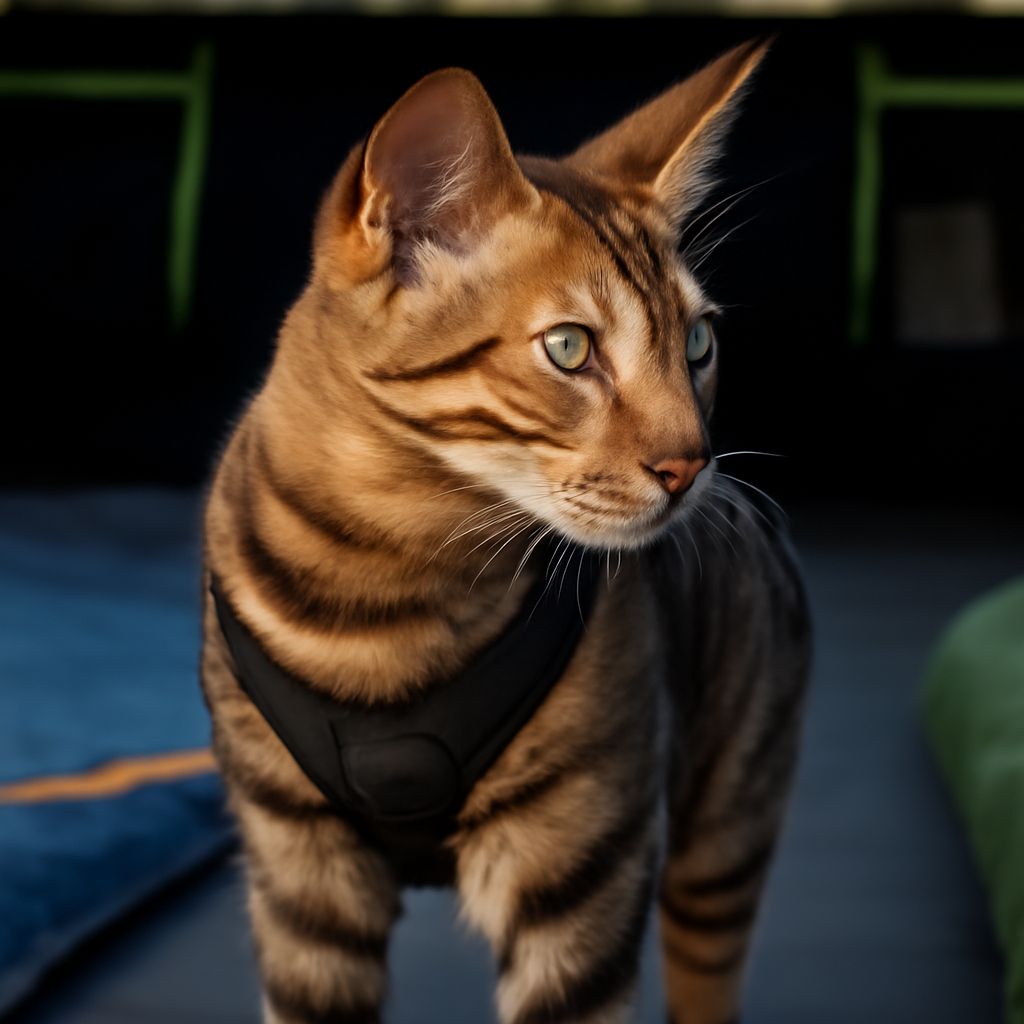
Savannahs are known for their tall, lean frames, large ears, bold spotted coats, and highly active personalities. They bond strongly with their owners, often following them around the house and learning to walk on leash. Unlike most domestic cats, Savannahs frequently enjoy water play and can be trained to fetch. Their energy level and intelligence require an engaged owner committed to enrichment and stimulation.
F1 Through F5: Understanding Generation Levels
The “F” designation indicates how many generations removed from the African serval a Savannah cat is. An F1 has a serval parent — making it 50% serval — and is the rarest, largest, and most exotic generation. F2 cats have a serval grandparent (approximately 25% serval). F3 through F5 generations are progressively more domestic in behavior and legal status. Most families are best suited to F4 or F5 Savannahs, which retain the breed’s striking appearance with calmer, more predictable temperaments.
The African Serval: Foundation of the Breed
The African serval is a medium-sized wild cat native to sub-Saharan Africa, renowned for its extraordinary jumping ability and large ears adapted for hunting small prey. Servals are not domestic animals — they require specialized housing, diet, and veterinary care. The serval’s traits dilute progressively through each Savannah generation, making higher-F-number cats more suitable as family companions.
How to Find a Reputable Savannah Cat Breeder
The Savannah breed’s exotic appeal attracts unscrupulous sellers alongside legitimate breeders. Learning to distinguish between them is critical before placing a deposit.
What Responsible Savannah Cat Breeders Do Differently
Reputable breeders are TICA registered, maintain thorough health records, and health-test their breeding stock for genetic conditions. They socialize kittens extensively from birth, ensure proper vaccinations and veterinary clearances before placement, and provide buyers with a written health guarantee. Responsible breeding operations also welcome visits and video calls so buyers can see cattery conditions firsthand.
Red Flags to Watch for in Online Listings
Listings advertising impossibly low prices for F1 or F2 Savannahs, sellers who refuse video calls or in-person visits, vague claims about TICA registration without verifiable paperwork, requests for large deposits before any documentation is shared, and stock photos that don’t match breed standards are all warning signs of scams. Genuine F1 Savannah kittens typically cost $12,000 to $25,000 or more — any listing far below market price warrants extreme skepticism.
Questions to Ask Before You Commit
Before placing any deposit, ask: What generation (F1–F5) is this kitten, and can you provide pedigree documentation? What health testing has been done on the parents? Can I visit the cattery or have a video tour? What vaccinations and vet checks have been completed? Is there a written health guarantee and return policy? What ongoing support do you offer new owners?
Legal Considerations and Ownership Requirements
Savannah cat ownership — especially at higher serval content generations — comes with significant legal and care responsibilities that vary by location.
State and Local Laws on Savannah and Serval Ownership
Some states prohibit ownership of F1 and F2 Savannahs outright due to their high percentage of serval genetics. Others require special exotic animal permits. A few jurisdictions ban the breed entirely at any generation. Research your state, county, and city regulations thoroughly before purchasing. This is especially critical if you’re considering an African serval listing — pure servals are regulated as exotic wildlife in most U.S. states and many countries.
What F2 Savannah Cats Require in Terms of Care
Higher-generation Savannahs — particularly F1 and F2 — require significantly more space, stimulation, and specialized care than domestic cats. A large, secure outdoor enclosure is often recommended. Their diet may benefit from a raw or high-protein component. Standard veterinary clinics may lack experience with high-generation Savannahs; finding a vet familiar with exotic or hybrid cats before you bring your kitten home is strongly advised.
Bottom line: Reputable savannah cat breeders prioritize animal welfare, transparency, and buyer education above all else — if a seller seems evasive or too eager to close a sale, walk away. Research your local laws, choose a TICA-registered breeder with verifiable references, and budget realistically for a breed whose purchase price is just the beginning of the investment.