Cat One Eye Watering: Causes and What to Do About a Weepy Eye
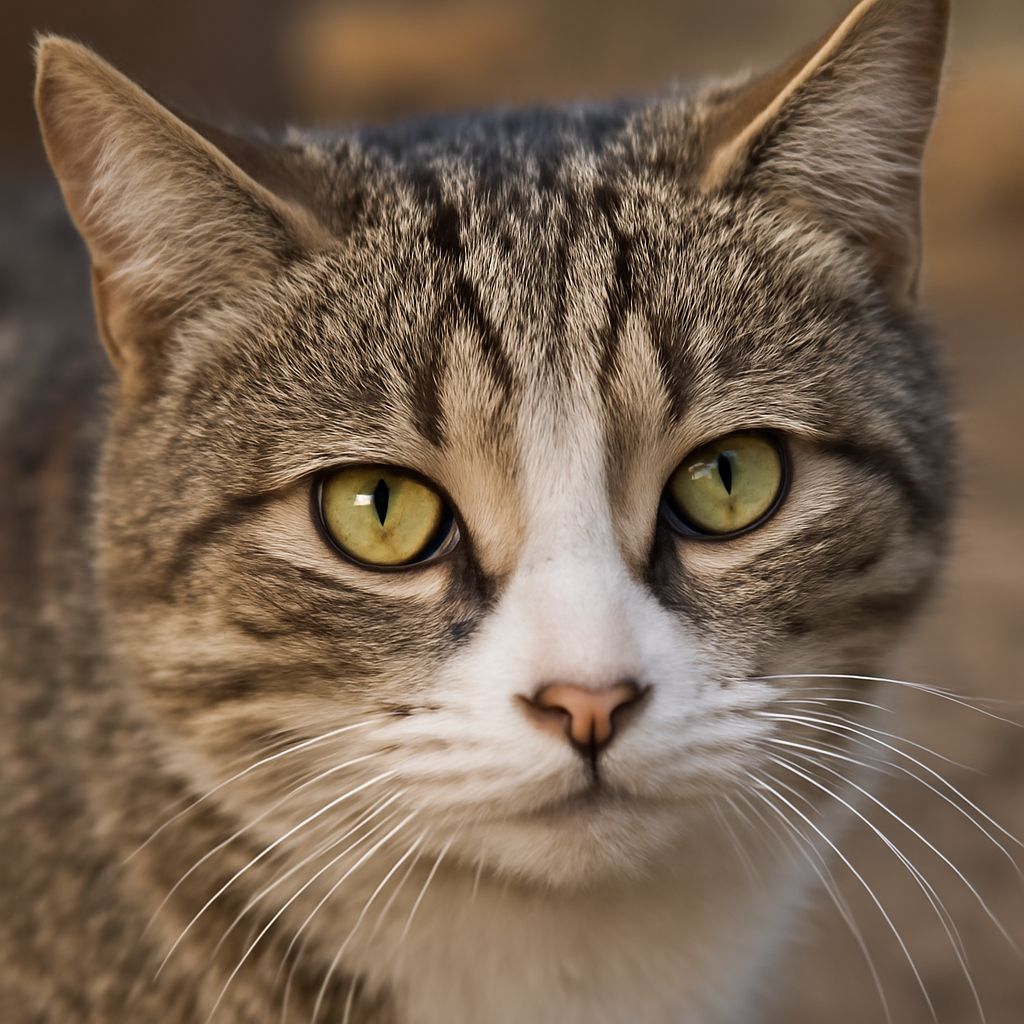
You notice your cat one eye watering more than usual, leaving a damp streak down the fur on one side of the face. A cat teary eye on just one side is different from general eye discharge — the one-sided pattern is a significant clue that points toward a localized issue rather than a systemic infection. Whether the cause is something simple like a tiny piece of debris or something that needs veterinary attention, understanding the watery eye cat situation clearly helps you act quickly and correctly.
A cat weepy eye might be accompanied by squinting, pawing at the face, or redness around the eye. Sometimes the cat has one watery eye with clear fluid; other times the discharge is darker or mucus-like. Each variation tells a different story, and this guide walks through the most common causes and what each one typically requires from you.
Why Is My Cat’s One Eye Watering
When a cat one eye watering situation involves only a single eye, it usually points to something affecting that eye specifically rather than a generalized upper respiratory infection, which typically involves both eyes. One-sided tearing can result from a foreign body in or near the eye, a scratch on the corneal surface, a blocked tear duct, conjunctivitis confined to one eye, or a structural issue with the eyelid.
Epiphora — the medical term for overflow tearing — occurs when tear production exceeds the eye’s drainage capacity. This can happen because the drainage duct is blocked, because the eye is producing excess tears in response to irritation, or because the eyelid anatomy prevents normal tear drainage. Flat-faced breeds like Persians and Exotic Shorthairs are especially prone to chronic epiphora because of their facial structure.
One Eye vs. Both Eyes
Both eyes tearing simultaneously most commonly indicates a viral upper respiratory infection. Cat one eye watering only — especially when the cat seems otherwise healthy — is far more likely to be a localized mechanical or minor infectious cause. This distinction helps you prioritize: a cat with both eyes discharging and other symptoms like sneezing needs a vet visit sooner than a cat with mild one-sided clear tearing and no other signs.
Common Causes of a Watery Eye Cat
A foreign object is among the most common triggers of sudden, one-sided cat teary eye. Grass seeds, dust, a piece of litter, or even a loose hair can get lodged under the eyelid and cause constant irritation and tearing. The cat will often squint or paw at the affected eye.
Corneal abrasion — a scratch on the eye surface — also causes acute cat weepy eye with tearing, squinting, and light sensitivity. This often happens during play with another cat or when a cat walks through dense vegetation. Corneal scratches need veterinary assessment because they can progress to ulcers if left untreated.
Conjunctivitis affecting one eye causes redness, swelling of the conjunctival tissue, and discharge that may start as clear and become mucoid or purulent over time. Bacterial conjunctivitis in one eye is common after a small injury. Herpesvirus conjunctivitis can also present on one side initially before spreading.
A blocked nasolacrimal duct — the canal that normally drains tears into the nasal cavity — is a common cause of chronic epiphora in cats. The duct becomes obstructed by inflammation, mucus buildup, or anatomical narrowing. Breeds with flat faces have naturally narrowed ducts. This type of cat has one watery eye situation typically produces overflow tears without pain or redness.
Breed-Specific Considerations
Persian, Himalayan, and Exotic Shorthair cats frequently experience chronic tearing due to their facial structure. The overflow tears cause staining on the fur below the eye, often leaving brown or rust-colored tracks. Regular gentle cleaning prevents skin irritation and secondary infection in the damp fur.
Home Care for a Cat Weepy Eye
For mild, clear tearing without squinting, redness, or pawing, gently wipe the area around the eye with a clean, damp cotton pad or a pet-safe eye wipe. Always wipe from the inner corner of the eye outward. Use a separate pad for each eye to avoid cross-contamination.
Monitor the cat closely for forty-eight hours. If the watery eye cat situation resolves on its own, the cause was likely a minor irritant or small debris that flushed out naturally. If symptoms persist or worsen, schedule a vet appointment. Do not attempt to flush the eye yourself with saline unless your vet has specifically instructed you to do so and shown you the correct technique.
When to See the Vet About Cat Eye Discharge
Contact your vet promptly if the cat one eye watering comes with squinting or keeping the eye partially closed, which suggests pain. Seek same-day care for cloudiness or a bluish tint to the eye surface — this may indicate a corneal ulcer. Thick yellow or green discharge, visible redness of the white part of the eye, swelling of the eyelid, or your cat pawing repeatedly at the eye all warrant a vet visit without delay.
Chronic cat weepy eye that has been present for weeks without other symptoms — especially in flat-faced breeds — is worth discussing at your next routine appointment. Your vet can assess whether blocked tear ducts or eyelid abnormalities are contributing and recommend appropriate management, which may include regular cleaning, eye drops, or in some cases a minor procedure to open the duct.