
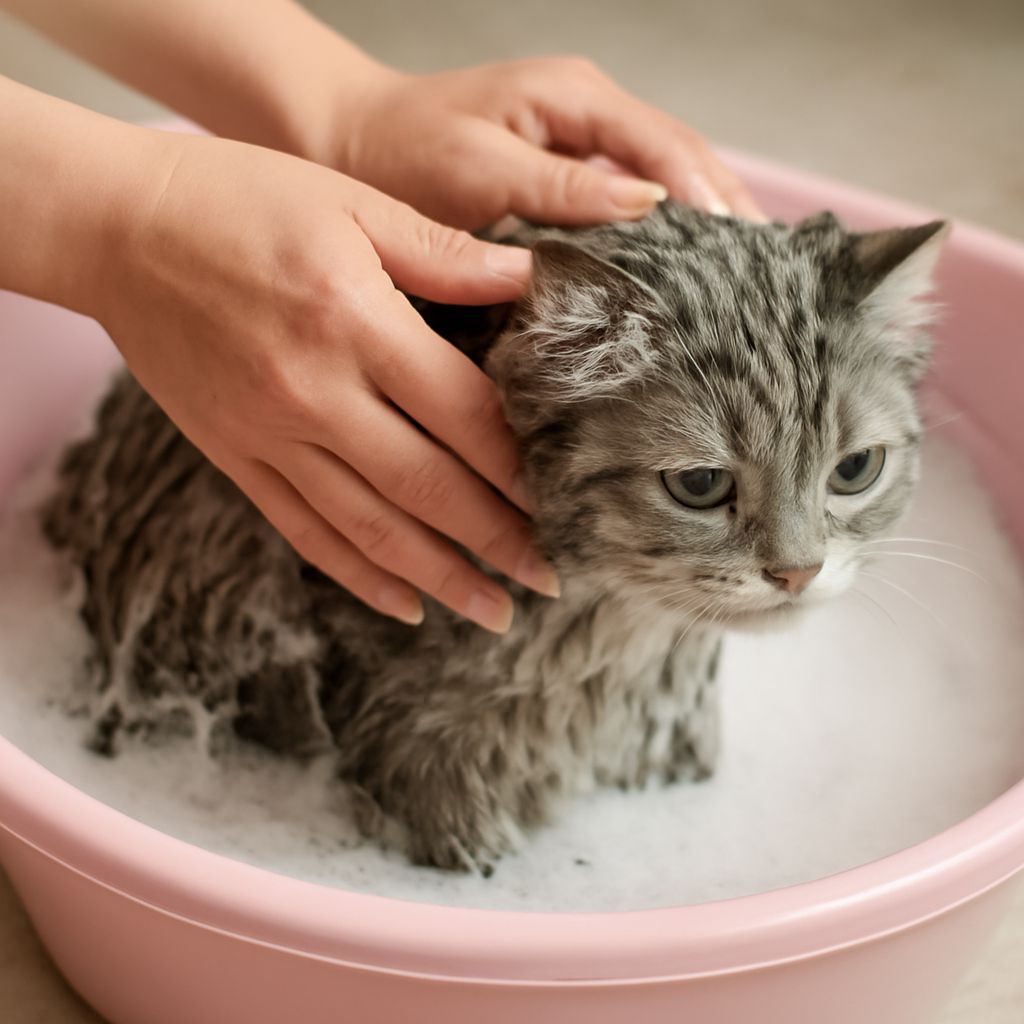
Should I Give My Cat a Bath? How to Bathe a Cat Safely and Calmly
Your cat has gotten into something they absolutely should not have, and you find yourself asking: should I give my cat a bath? Or maybe you have heard conflicting advice and want to know: can you give a cat a bath, and is it ever actually necessary? Most cats are fastidious self-groomers who keep themselves remarkably clean without any human assistance. But there are specific situations where can i give my cat a bath becomes not just a question but a necessity — and knowing how to do it safely and calmly makes the whole experience less traumatic for everyone involved.
Understanding when should you give your cat a bath versus when to leave things to the expert (your cat) helps you make the right call. This guide covers the circumstances that warrant bathing, the right technique, and the products that make can you give cats a bath a manageable rather than dramatic event.
Do Cats Really Need Baths
The short answer is: rarely. Cats spend a significant portion of their waking hours grooming themselves, and their saliva contains enzymes that help break down oils and remove debris from the coat. A healthy adult cat with a normal coat generally maintains excellent hygiene without human-assisted bathing. Regular brushing to remove loose fur and distribute natural oils is all that most cats need between optional bath sessions.
The recommendation to avoid unnecessary bathing is not just about feline preferences. Overbathing strips the coat of natural oils, leading to dry skin, coat dullness, and potentially increasing shedding. A cat bathed too frequently may also develop skin sensitivity or behavioral stress responses associated with bath time. The general guidance from veterinary professionals is to bathe cats only when there is a specific reason to do so.
Cats That May Need More Frequent Bathing
Hairless breeds like the Sphynx accumulate body oils on their skin rather than distributing them through a coat, and they genuinely do need regular baths — typically once a week or more — to prevent oily buildup and associated skin problems. Long-haired breeds prone to matting may benefit from occasional baths to keep the coat manageable. Cats with mobility issues or obesity who cannot groom themselves effectively may need help from their owners.
When You Should Give Your Cat a Bath
There are clear situations where the answer to should I give my cat a bath is a definitive yes. If your cat has gotten into a toxic substance — motor oil, pesticides, paint, or household chemicals — bathing is necessary to prevent ingestion through grooming. This is an emergency situation; bathe immediately and contact your vet about the substance involved.
Severe flea infestations sometimes require a flea bath as part of a multi-step treatment plan, particularly for heavily infested kittens where other flea treatments may not be appropriate. Your vet can advise on whether a flea bath is appropriate and which products are safe. Cats that get into food substances like cooking grease, dough, or anything sticky that they cannot clean effectively themselves are candidates for a spot-clean or full bath. Skin conditions including fungal infections like ringworm may require medicated baths as part of veterinary-prescribed treatment.
After Outdoor Adventures
If your cat has rolled in something foul-smelling outdoors — another animal’s scent marking, decomposing matter, or mud — a bath is often the most practical solution. In this case, a focused wash of the affected areas with warm water and cat-safe shampoo is often sufficient rather than a full bath.
How to Give a Cat a Bath Without Stress
Preparation dramatically affects how a cat bath goes. Gather everything before you bring the cat into the bathroom: cat-specific shampoo, two or three towels, a non-slip mat for the tub or sink, and a cup or handheld sprayer for rinsing. Trim your cat’s nails the day before the bath to reduce injury risk. Have a helper if possible — one person to hold gently and one to wash.
Fill the tub or sink with two to three inches of warm water before bringing your cat in. The sound of running water is more alarming than water that is already there. Place your cat on the non-slip mat so they feel secure. Wet the coat thoroughly from neck to tail, avoiding the face and ears. Apply shampoo, work it gently through the coat, then rinse completely — leftover shampoo residue is a common cause of skin irritation.
The Face and Ears
Never submerge a cat’s head. Clean the face with a damp washcloth only. Ears should not get water inside them — this can cause infections. If ear cleaning is needed, do it separately with a vet-recommended ear cleaner on a cotton ball, not during the bath.
Products and Technique for Bathing Cats Safely
Use only shampoos specifically formulated for cats. Human shampoos, dog shampoos, and even baby shampoos have pH levels and ingredient profiles that can irritate feline skin. Many cat shampoos are tear-free and gentle enough for sensitive skin. If bathing for a skin condition, use only the vet-prescribed medicated shampoo.
After rinsing thoroughly, wrap your cat immediately in a warm towel and gently pat — do not rub — the coat dry. Keep your cat in a warm room until fully dry. Long-haired cats can be gently dried with a low-heat setting on a pet dryer designed for this purpose, but many cats find dryers frightening. Allow air drying in a warm environment if needed. Never use high heat or hold a dryer too close to the skin.
Pro tips recap: Only bathe your cat when there is a genuine reason. Use cat-specific shampoo, warm water, and a non-slip surface. Prepare everything before bringing the cat in, work quickly and calmly, rinse completely, and warm-dry immediately afterward. Making bath time as brief and calm as possible is the key to reducing stress for both of you.