
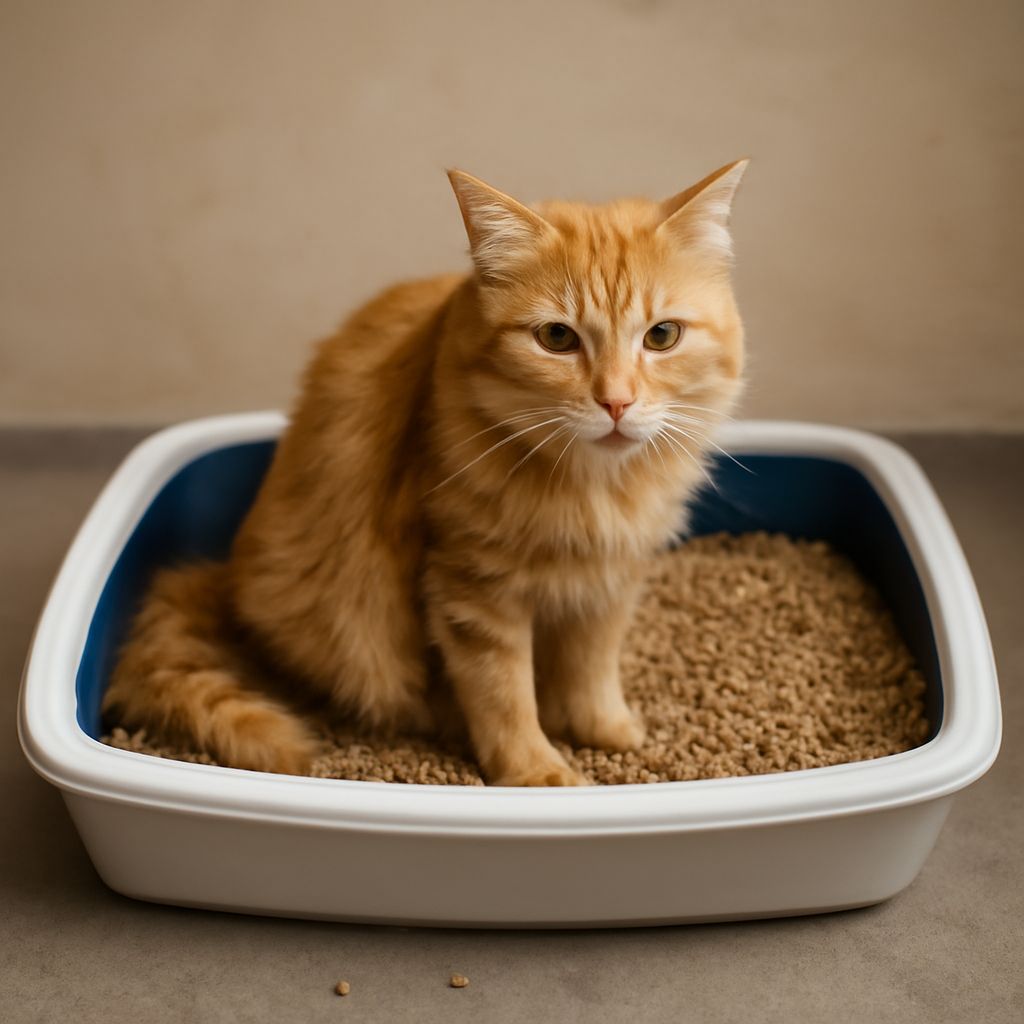
Cat Pooping Outside Litter Box: Why It Happens and How to Fix It
You find an unwelcome surprise on the floor near the litter box, and you ask yourself: why is my cat pooping outside the litter box when the box is right there? A cat pooping outside litter box situations are among the most frustrating for cat owners, and they are also one of the most common reasons people seek veterinary or behavioral advice. A cat pooping outside of litter box habits almost always has an identifiable reason — cats do not do this out of spite or stubbornness. Whether it is a medical issue, a problem with the box setup, or a stress response, finding the underlying cause is the key to resolving the behavior.
Understanding why cat pooping next to litter box instead of inside it happens, and what approaches actually work to stop cat from pooping on floor, requires looking at both physical and environmental factors simultaneously. This guide covers both systematically.
Why Is My Cat Pooping Outside the Litter Box
Cats are naturally fastidious creatures who strongly prefer to eliminate in specific, acceptable locations. When a cat pooping outside litter box behavior develops suddenly in a previously reliable cat, it is a signal that something has changed — either inside the cat (medically) or in the cat’s environment. Cats who have always shown this behavior may never have been properly litter trained, or may have developed an early association between the litter box and discomfort.
Cat pooping next to litter box rather than inside it often indicates that the cat started to go to the right location but could not complete the process inside — the box was too small, too dirty, the litter was objectionable, or getting in and out caused pain (an important medical clue for senior cats with arthritis).
When It Started Matters
Sudden onset — a cat who has been reliable for years and suddenly starts pooping outside of litter box — is more likely to have a medical cause. Gradual onset or intermittent behavior is more likely to be environmental or preference-related. Both warrant attention, but sudden change in a previously reliable cat should prompt a vet visit within a few days.
Medical Causes of Litter Box Avoidance
Gastrointestinal problems are among the most common medical reasons a cat pooping outside litter box. Diarrhea, constipation, inflammatory bowel disease, or parasites can cause urgency that makes it impossible for your cat to reach the box in time, or can make defecation painful enough that your cat associates the box itself with pain and begins to avoid it. Constipation in particular produces straining behavior that sometimes results in cats squatting and producing a small amount outside the box.
In older cats, arthritis makes getting in and out of high-sided litter boxes painful. A senior cat who has been reliable for years but suddenly starts eliminating just outside the box often has joint pain that makes the step up into the box too difficult. Switching to a low-sided box or a box with a cut-out entrance ramp often resolves this immediately.
When to See the Vet
See your vet within a few days if the cat pooping outside of litter box behavior is new, if you notice blood in the stool, if your cat appears to strain without producing anything, if your cat seems painful when squatting, or if the behavior is accompanied by weight loss, lethargy, or appetite changes. A fecal exam and physical assessment will identify or rule out medical causes before proceeding with behavioral interventions.
Behavioral and Environmental Causes
Litter box cleanliness is the most commonly overlooked cause of cat pooping outside litter box situations. Cats have a significantly more sensitive sense of smell than humans, and a box that smells manageable to you may be intolerable to your cat. Scoop at minimum once daily; twice daily is better. Deep-clean the entire box with unscented soap and warm water weekly.
Box size matters more than most people realize. The box should be long enough for your cat to turn around completely and dig without feeling cramped. Many commercially available boxes are too small for an average adult cat. A general guideline is that the box should be one and a half times the length of your cat from nose to tail base. Many owners find that large plastic storage containers with one side cut down make excellent, cost-effective litter boxes.
Location is another factor. Cats do not want to eliminate near their food or water bowls, in high-traffic areas, or in locations where they feel cornered. A covered box that offers privacy may be preferred by some cats and avoided by others who feel trapped inside. The number of boxes matters in multi-cat households: the standard recommendation is one box per cat plus one extra.
Litter Preferences
Cats develop strong preferences for litter texture and scent. Many cats strongly prefer unscented clumping clay litter. Heavily scented litters may repel cats even though they appeal to humans. If you have recently switched litter types and cat pooping next to litter box behavior developed shortly after, revert to the previous litter and change gradually over two weeks if you want to transition to a new type.
How to Stop Cat from Pooping on Floor
Address the most likely cause first based on your situation. If the behavior is sudden, see the vet. If the box is dirty, clean it more frequently. If the box is too small or too high-sided, replace it. If there is only one box for multiple cats, add more. If the location is near food or in a corner, move it.
Clean any soiled areas thoroughly with an enzymatic cleaner that breaks down the odor markers — a cat that can still smell where it went before is likely to return to that spot. Temporary placement of a new litter box near the accident spot, with gradual relocation over weeks to the desired permanent location, can redirect the behavior.
Next steps: Rule out medical causes first, especially if the behavior is sudden. Then systematically review box cleanliness, size, litter type, location, and quantity. Most cat pooping outside litter box situations resolve within two to four weeks of identifying and addressing the underlying cause.