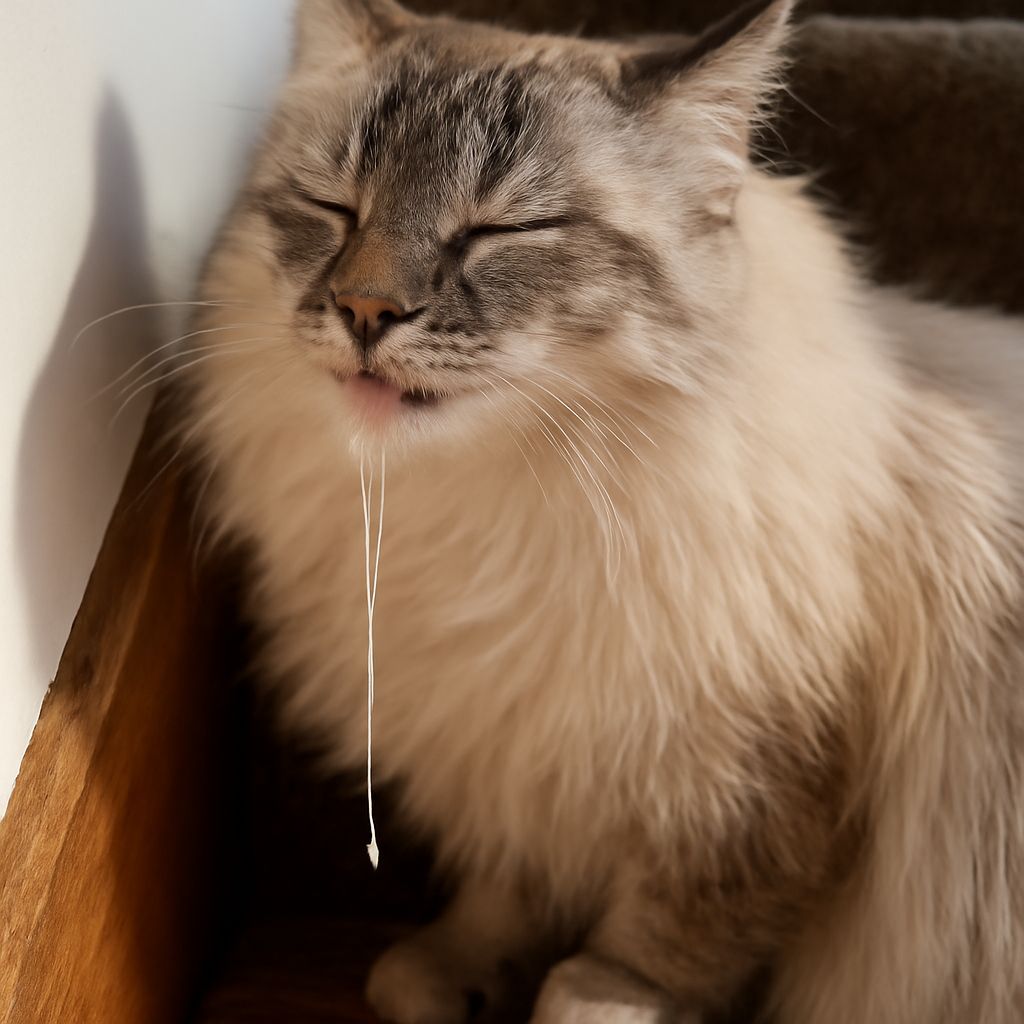
My Cat Is Drooling: Understanding What It Means
Imagine sitting on your couch, your cat comfortably nestled beside you, when suddenly you notice something peculiar—your beloved feline is drooling. At first, you may wonder, “What does it mean when a cat drools?” It’s easy to jump to conclusions, especially if your cat is drooling excessively. Before you panic, it’s essential to understand that there are various reasons why a cat may be salivating, and not all of them are cause for concern. In this article, we’ll explore potential causes of drooling in cats and offer guidance on when to worry and how to help your furry friend.
Possible Causes of Cat Drooling
Normal Reasons for Cat Drooling
Drooling in cats isn’t always a sign of trouble. Some cats may drool when they are extremely relaxed or content, such as when they are being petted or kneading. This behavior is reminiscent of kittenhood, when the act of nursing would often result in salivating. Furthermore, some felines simply have a predisposition to drool more than others under normal circumstances.
Medical Conditions Leading to Cat Salivating
On the other hand, certain medical issues can lead to excessive salivation. Dental problems, like periodontal disease or tooth infections, can irritate a cat’s mouth and cause drooling. Additionally, exposure to toxic substances, such as household plants or chemicals, may prompt a cat to drool as the body attempts to expel the harmful agent. Gastrointestinal issues or foreign bodies lodged in the mouth or throat can also result in a cat drooling excessively.
Behavioral Causes of Drooling in Cats
Behavioral factors may also play a role in cat drooling. Anxiety or stress-induced behaviors can manifest as drooling in some cats. Situations like moving to a new home, introducing a new pet, or even loud noises can lead to anxiety-driven salivation. It’s crucial to be observant of your cat’s environment and any changes that might contribute to stress-related drooling.
When to Worry About Your Cat’s Drooling
Signs of Excessive Drooling
While occasional drooling may not be cause for alarm, it’s important to recognize when drooling becomes excessive. If your cat’s drooling is accompanied by other symptoms such as vomiting, loss of appetite, or lethargy, it may indicate a more serious health concern requiring veterinary attention.
Cat Drooling but Acting Normal: What to Consider
If your cat is drooling but otherwise seems normal, it could still be a sign of an underlying issue. Monitor your cat closely for any changes in behavior or appetite. Sometimes, what appears to be normal behavior could mask discomfort or distress that isn’t immediately apparent.
Sudden Onset of Excessive Drooling
A sudden onset of excessive drooling can be particularly concerning. This could suggest an acute issue such as ingestion of a toxic substance or a foreign object lodged in the throat. In such cases, prompt veterinary intervention is warranted to prevent further complications.
How to Help Your Drooling Cat
Home Remedies for Mild Drooling
For mild cases of drooling, simple home remedies might alleviate your cat’s discomfort. Ensuring your cat stays hydrated and maintaining good oral hygiene by brushing their teeth can help manage and reduce salivation. Providing a stress-free environment and engaging your cat in relaxing activities can also mitigate anxiety-related drooling.
When to Consult a Veterinarian
If home care does not improve the situation, or if your cat exhibits additional symptoms, consulting a veterinarian is essential. A professional assessment will help determine if there are underlying medical conditions that require treatment. Always err on the side of caution and seek veterinary advice if uncertain.
Preventive Measures for Cat Drooling
Preventive care is key to minimizing drooling issues. Regular vet check-ups, a balanced diet, and maintaining a safe and toxin-free environment can avert many causes of drooling. Staying informed about household items that are toxic to cats can prevent accidental exposure and subsequent drooling.
Safety recap: If drooling is linked to potential toxin exposure or an object stuck in your cat’s throat, it is critical to seek immediate veterinary care. Simple home remedies may suffice for mild cases, but always prioritize your cat’s health and consult with a professional when in doubt.