
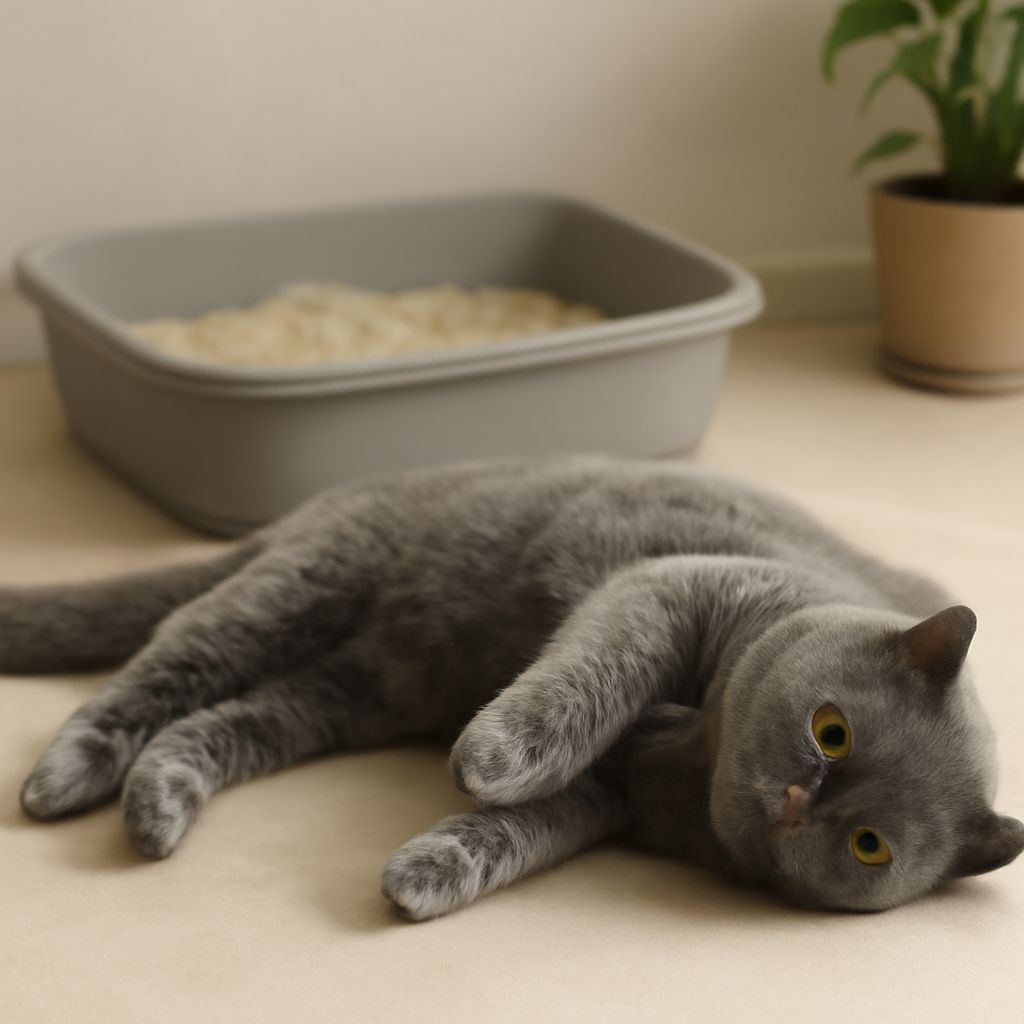
Cat UTI: Understanding and Managing Urinary Tract Infections in Cats
Imagine arriving home after a long day to find your beloved cat, which usually greets you with a purr, hiding under the couch. Despite bringing out their favorite toys, they seem uninterested. You notice a strong smell coming from their litter box, and as you clean it, you spot some alarming signs. You realize this might be more than just a moody day; these could be symptoms of a urinary tract infection (UTI), a common health issue in cats that requires immediate attention. Understanding the causes, symptoms, and treatment options for a cat’s urinary tract infection can make a significant difference in your pet’s health and well-being.
Before panic sets in, remember that you’re not alone in this. Many cat owners have faced similar situations. Knowing what to look for and how to respond can alleviate much of the anxiety. This guide will walk you through recognizing symptoms, understanding causes, and exploring treatment options to manage your cat’s urinary health effectively.
Symptoms of UTI in Cats
Common Signs of a Cat with UTI
The symptoms of a urinary tract infection in cats can vary, but common signs often include frequent urination and noticeable straining while using the litter box. You might observe your cat visiting the litter box more often than usual, yet producing small amounts of urine. Additionally, the presence of blood in the urine is a critical indicator that requires prompt veterinary attention.
Behavioral Changes in UTI Cats
Behavioral changes are another key aspect to watch. Cats with UTIs may start urinating outside of their litter box, signaling discomfort or distress. You may notice increased vocalization, as your feline friend attempts to communicate their discomfort. If your cat suddenly becomes more irritable or withdrawn, these could also be behavioral responses to the pain and stress caused by a UTI.
Physical Indicators of Cats Urinary Tract Infection
Physical signs such as licking their genital area excessively can also indicate a urinary tract infection in cats. This behavior is often an attempt to soothe the irritation caused by the infection. Additionally, if your cat appears lethargic or experiences a loss of appetite, these symptoms should not be ignored as they may suggest a serious underlying issue.
Causes and Risk Factors
Common Causes of UTI in Cats
UTIs in cats can arise from several causes. Bacterial infections are a primary culprit, entering the urinary tract through the urethra. Other causes might include bladder stones or crystals, which can irritate the urinary tract and lead to infection. Obesity is another contributing factor, as it can predispose cats to the development of urinary issues.
Risk Factors for Cats with UTI
Certain cats are more susceptible to UTIs due to specific risk factors. Female cats are more prone to infections because of their shorter urethra. Additionally, older cats or those with underlying health conditions such as diabetes may also face a higher risk. Environmental stress, changes in diet, or dehydration can further exacerbate the likelihood of a urinary tract infection.
Preventative Measures
Mitigating the risk of UTIs involves several preventative measures. Ensuring your cat maintains a healthy weight can reduce the likelihood of urinary issues. Regular cleaning of the litter box is essential to minimize the risk of bacterial infections. Providing a stress-free environment and regular veterinary visits also contribute significantly to urinary health.
Diagnosis and Treatment Options
Veterinary Diagnosis of Cat UTI
Diagnosing a urinary tract infection in cats generally involves a thorough veterinary examination. Your vet may conduct a urinalysis to detect the presence of bacteria or blood in the urine. In some cases, additional tests such as ultrasound or X-rays might be necessary to rule out other conditions like bladder stones.
Treatment Options for UTI Cats
Treatment for a cat’s UTI often includes antibiotics to address the bacterial infection. The specific medication and dosage will depend on the severity of the infection. Ensuring your cat completes the full course of antibiotics is crucial to prevent recurrence. In cases of bladder stones, dietary changes or surgery might be required.
Home Care Tips for a Cat with UTI
Home care plays a vital role in recovery. Encouraging fluid intake is essential to help flush out bacteria. Providing clean, fresh water at all times and incorporating wet food into your cat’s diet can help. Monitor your cat’s behavior and urination patterns closely, and communicate any concerns to your vet promptly.
Preventing Future UTIs
Dietary Recommendations for Cats
A balanced diet is fundamental in preventing future urinary issues. High-quality cat foods designed to support urinary health can maintain the right pH balance in your cat’s urine. Consulting with your vet on dietary choices can help tailor the best plan for your pet.
Hydration Tips for Cats Urinary Health
Ensuring your cat stays hydrated is crucial for urinary health. Provide multiple water sources throughout your home to encourage regular drinking. Using water fountains can stimulate your cat’s interest in drinking more frequently.
Regular Veterinary Check-Ups
Regular veterinary check-ups are indispensable in maintaining your cat’s health. Routine examinations can catch early signs of urinary issues before they develop into serious problems. Your vet can also provide personalized advice on lifestyle changes to support your cat’s urinary health.
Key takeaways: Recognizing and understanding the symptoms of a UTI in cats is crucial for timely intervention. Preventative measures and regular veterinary care can help maintain your cat’s urinary health, reducing the risk of future infections. Consistent attention to diet and hydration plays a vital role in supporting your feline friend’s overall well-being.