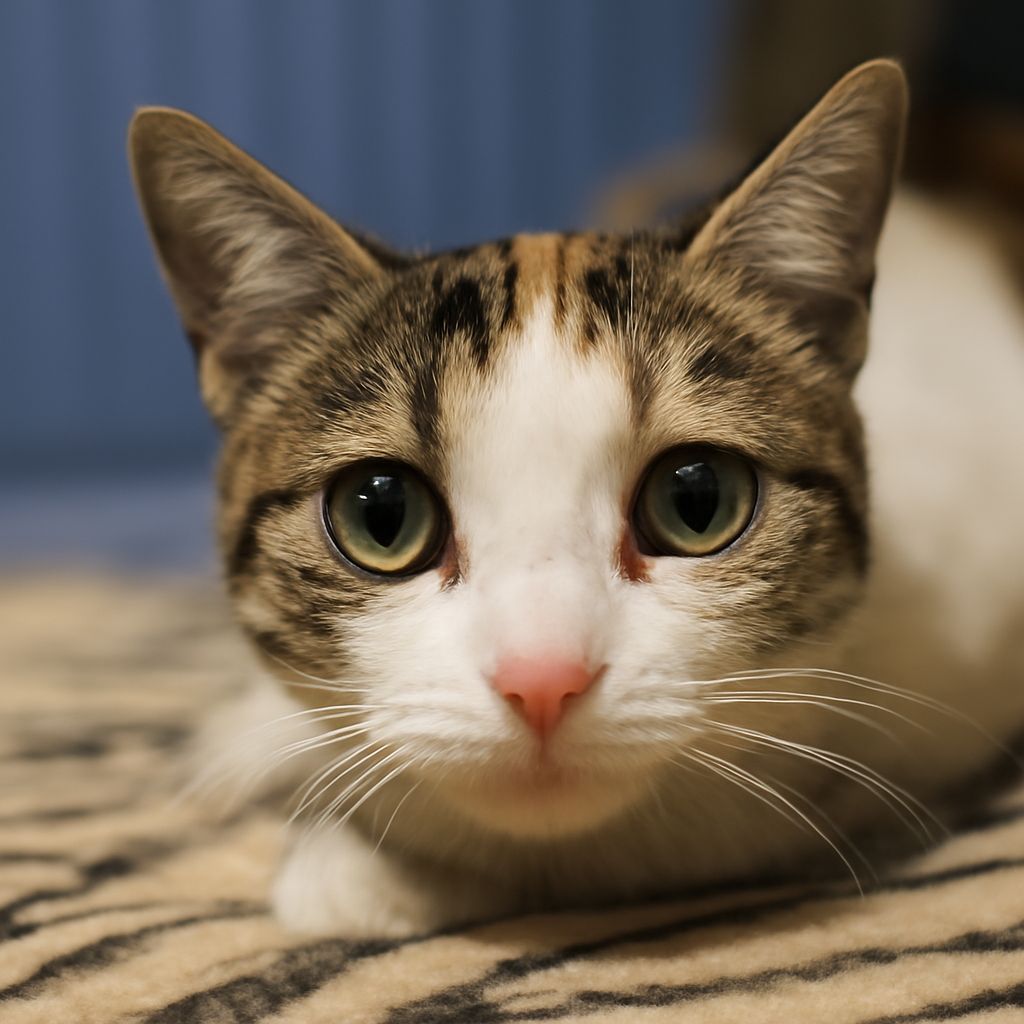
Cat Sneezing and Watery Eyes: Causes and Solutions
Imagine coming home after a long day, excited to see your feline friend, only to find them sneezing with watery eyes. You think, “My cat is sneezing and has watery eyes—is it serious?” This scenario might lead you to wonder about the causes behind these symptoms. While cat sneezing watery eyes can be distressing, understanding potential causes like allergies or infections can guide you in addressing them effectively.
Common Causes of Cat Sneezing and Watery Eyes
Allergies in Cats
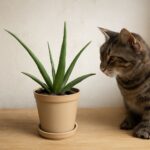
Cat allergies can present with sneezing and watery eyes. Pollen, mold, dust, or even certain foods may trigger allergic reactions in cats, leading to these symptoms. Allergic reactions often result in other signs such as itching and skin irritations.
Upper Respiratory Infections
Feline upper respiratory infections (URIs), often caused by viruses or bacteria, are a frequent cause of sneezing and watery eyes in cats. These infections can spread quickly, especially in multi-cat households, making it essential to monitor for any accompanying symptoms like nasal discharge or lethargy.
Foreign Bodies and Irritants
Sometimes, cats might sniff up foreign particles or irritants, which can lead to sneezing and watery eyes. These could be anything from a small piece of grass to household chemicals that irritate the nasal passages and eyes.
Chronic Conditions
Certain chronic conditions such as feline herpesvirus can cause recurrent symptoms. Though not curable, these conditions can be managed with appropriate care to reduce the frequency and severity of episodes.
When to See a Veterinarian for Cat Sneezing and Watery Eyes
Signs of Serious Conditions
If your cat’s sneezing and watery eyes persist beyond a few days, or if they are accompanied by other concerning symptoms such as eye discharge, loss of appetite, or breathing difficulties, it is crucial to seek veterinary advice. These could indicate more serious conditions that require professional intervention.
Diagnostic Processes
Veterinarians may perform a range of diagnostic tests to determine underlying causes, from physical examinations to blood tests and cultures. These tests help in ruling out severe infections or conditions that require immediate treatment.
Treatment Options
Treatment will vary depending on the diagnosis. For infections, antibiotics or antiviral medications might be prescribed, while allergies may be managed with antihistamines or dietary modifications. In some cases, eye drops or other topical medications may be necessary to reduce discomfort.
Preventative Measures
Preventative care, such as keeping your cat up-to-date with vaccinations and maintaining a clean, stress-free environment, can help reduce the risk of infections and allergic reactions. Regular vet check-ups are also crucial in catching and managing any health issues early.
Home Remedies for Cat Sneezing and Watery Eyes
Maintaining a Clean Environment
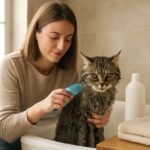
Regular cleaning of your cat’s living area can minimize exposure to potential allergens such as dust and mold. Using hypoallergenic cleaning agents can also prevent irritations causing sneezing in cats.
Using Humidifiers
A humidifier can add moisture to the air, which helps soothe irritated nasal passages. This can be especially beneficial in dry climates or during winter when heating systems can dry out the indoor air.
Dietary Adjustments
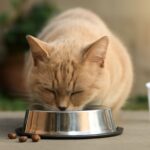
Adjusting your cat’s diet to include more immune-supportive nutrients or hypoallergenic options could help manage symptoms. Consulting with a vet about dietary changes can ensure nutritional balance while addressing potential food-related allergies.
Safety Recap: In cases where tools or specific treatments are required, it is crucial to follow guidelines and ensure any medications are prescribed by a veterinarian to maintain your cat’s health and safety.