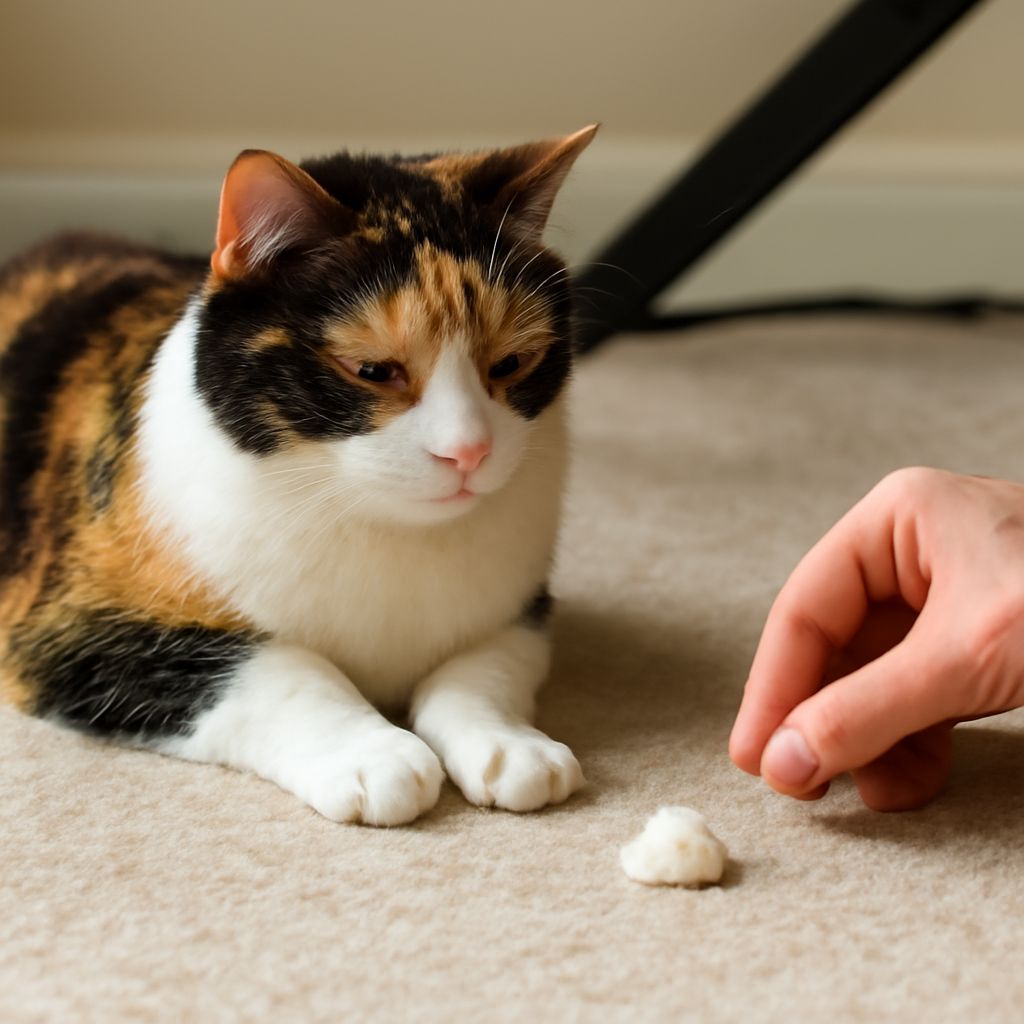
Cat Throws Up Every Day: Understanding the Causes and Solutions
Imagine coming home after a long day, eager to relax with your beloved feline friend. But instead of a quiet evening, you find yourself cleaning up yet another mess as your cat throws up every day. You start to notice a pattern: your cat is throwing up food but acting normal otherwise. It’s confusing and concerning, leaving you unsure whether to worry or just chalk it up to being a quirky cat behavior.
As you ponder the situation, questions swirl in your mind. Could it be something in their diet or a deeper health issue? And most importantly, how can you help your furry companion feel better? These are common concerns among pet owners, faced with the same dilemma of frequent vomiting in cats. Understanding the underlying causes and effective solutions can make a significant difference in managing this unsettling scenario.
Why Does My Cat Throw Up Every Day?
Common Causes of Daily Vomiting
Frequent vomiting in cats can stem from numerous causes. Hairballs are a typical culprit, especially in long-haired breeds, leading to occasional regurgitation. However, if your cat throws up every day, it might be due to more persistent issues like gastrointestinal problems or food allergies. Some cats have sensitive stomachs that react to certain ingredients or even stress, causing them to vomit.
When to Consult a Vet
While occasional vomiting isn’t uncommon, daily incidents warrant a veterinary consultation. Persistent vomiting can indicate serious health issues such as kidney disease or infections. A vet can perform diagnostic tests to rule out critical concerns and guide you on the next steps.
Understanding Cat Throwing Up Food But Acting Normal
Possible Reasons for This Behavior
When your cat seems perfectly normal but continues to vomit food, it might be due to rapid eating, causing them to regurgitate soon after meals. Alternatively, your cat might have a mild food intolerance that leads to vomiting without affecting their overall demeanor. Stress or changes in their environment can also result in similar behaviors.
Signs to Monitor
Pay attention to other subtle signs that your cat might be displaying. Lethargy, weight loss, or changes in appetite could indicate that the vomiting is more than a benign issue. Monitoring these signs can help in diagnosing potential problems early on.
Dietary Factors Contributing to Cat Pukes Every Day
Food Allergies and Intolerances
Food allergies in cats can trigger frequent vomiting and other digestive issues. Common allergens include beef, dairy, and certain grains. Identifying and eliminating these allergens from your cat’s diet can significantly reduce vomiting episodes.
Sudden Diet Changes
Switching your cat’s food abruptly can cause stomach upset and vomiting. It’s crucial to transition gradually to new foods, allowing their system to adjust over several days. This can prevent unnecessary digestive disturbances.
Preventative Measures for Cats That Throw Up Food
Proper Feeding Techniques
Implementing proper feeding techniques can help minimize vomiting. Feed your cat smaller, more frequent meals to prevent overeating and rapid consumption. Raised feeding bowls can also aid digestion by promoting a more natural eating posture.
Choosing the Right Cat Food
Selecting the right cat food is essential in preventing vomiting. Opt for high-quality, easily digestible foods formulated for sensitive stomachs if your cat is prone to vomiting. Consulting with your vet can help in choosing a diet that meets your cat’s specific nutritional needs.
When to Seek Veterinary Advice for a Cat That Throws Up
Recognizing Emergency Symptoms
While many cases of vomiting are not life-threatening, certain symptoms necessitate immediate medical attention. These include projectile vomiting, blood in the vomit, or severe dehydration. If your cat shows any of these signs, seek veterinary care promptly.
What to Expect at the Vet
During the vet visit, a thorough examination will be conducted. The vet may recommend blood tests, ultrasounds, or x-rays to diagnose the underlying cause. Based on the findings, a treatment plan will be devised, which may include dietary changes, medications, or further investigations.
Bottom line: If your cat throws up every day, observing their behavior and consulting with a vet can help identify the cause and provide relief. While some cases are easily managed with dietary adjustments or feeding techniques, persistent issues require professional attention to ensure your cat’s health and well-being.